
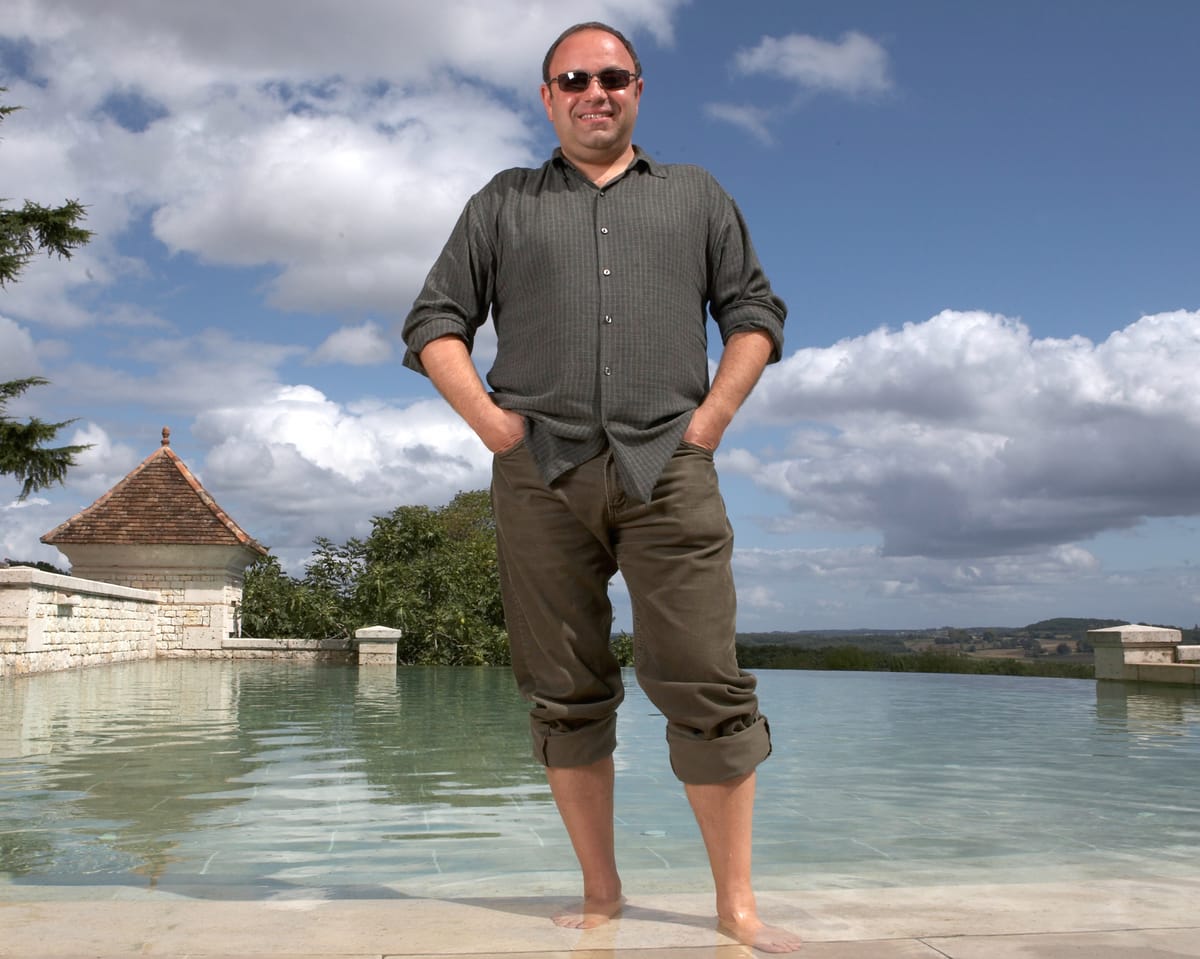
A close associate of the wealthy businessman Roman Abramovich has been unsuccessful in his attempt to challenge sanctions imposed on him following Russia’s military actions in Ukraine, according to a recent supreme court ruling viewed as a significant case affecting the UK’s sanctions policy.
Eugene Shvidler, who held positions in companies linked to the former Chelsea football club owner and currently resides in the US, was included in the UK’s sanctions list in March 2022 as part of broader measures targeting individuals connected to Russia.
Born in the Soviet Union in 1964 and raised in Moscow, Shvidler, now a British citizen, contested the sanctions in court in 2023 before appealing the decision later that year. He argued that the restrictions caused undue difficulty and singled him out due to his Russian background, while also maintaining that his ties to Abramovich were insufficient to warrant the government’s actions.
On Tuesday, the supreme court rejected his appeal in a majority ruling, with four justices against one, stating that sanctions must be stringent to achieve their purpose.
The judgment noted: “Sanctions frequently need to be severe and indefinite to be effective. The intent behind designating Mr. Shvidler is to restrict his access to assets and limit his affluent way of life.”
The justices added: “The government’s evidence confirms a reasonable link between the measures against Mr. Shvidler and the sanctions’ intended purpose. As previously established, the overall effectiveness of the sanctions regime relies on the combined impact of these measures. Targeting Mr. Shvidler contributes to that broader effect.”
However, in a dissenting opinion, Lord Leggatt disagreed with the majority view, calling the sanctions unlawful and arguing that the government had not sufficiently demonstrated a logical connection between freezing Shvidler’s assets and the sanctions’ objectives.
“The government’s justifications do not come close to warranting such a severe restriction on his freedoms,” he wrote.
Shvidler responded: “This ruling reminds me of the Soviet Union, which I fled as a stateless refugee decades ago. Back then, people’s rights could be taken away with little protection—this decision feels no different.”
The UK government enforced sanctions on Shvidler, citing his association with Abramovich, who has been accused of benefiting from or supporting Russian authorities. Officials pointed to Shvidler’s role as a long-time director of Evraz, a steel and mining firm where Abramovich was a major shareholder, as well as his past leadership of Millhouse.
Read next

Jaguar Land Rover suppliers voice ‘everything is against us’ amid cutbacks
David Roberts, chair of Coventry-based Evtec, says the outlook for Britain’s automotive sector is grim, with “everything against us.” Evtec is a tier 1 supplier to Jaguar Land Rover, which this week announced 4,000 job cuts over two years despite chancellor John Healey’s attempt to talk
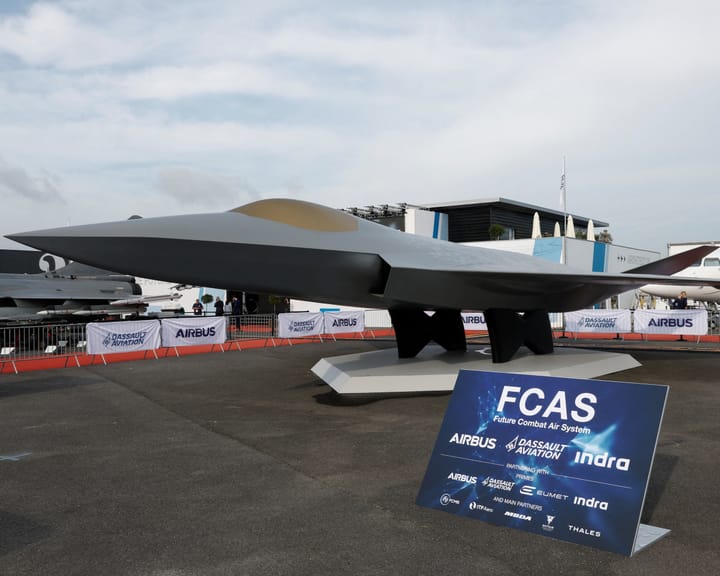
Europe’s fighter jet plans in disarray: what comes next?
When former ECB president and Italian PM Mario Draghi urged Europe to catch up economically with the US and China, defence collaboration was prescribed. No more should each nation build independent boats, tanks or jets; allies should share costs and technologies.
Europe stumbled at the first hurdle. German Chancellor Friedrich
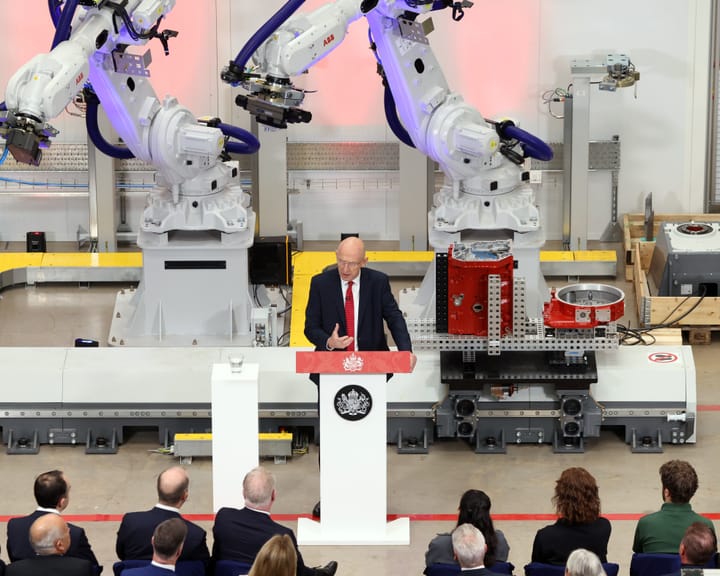
John Healey supports growth but insists Labour must be truthful about spending
John Healey has stated that his primary goal as chancellor will be to boost economic growth, while acknowledging that Labour must be straightforward about controlling public spending at next month's budget.
In his first major address since assuming the role in July, Healey said the leading focus of