
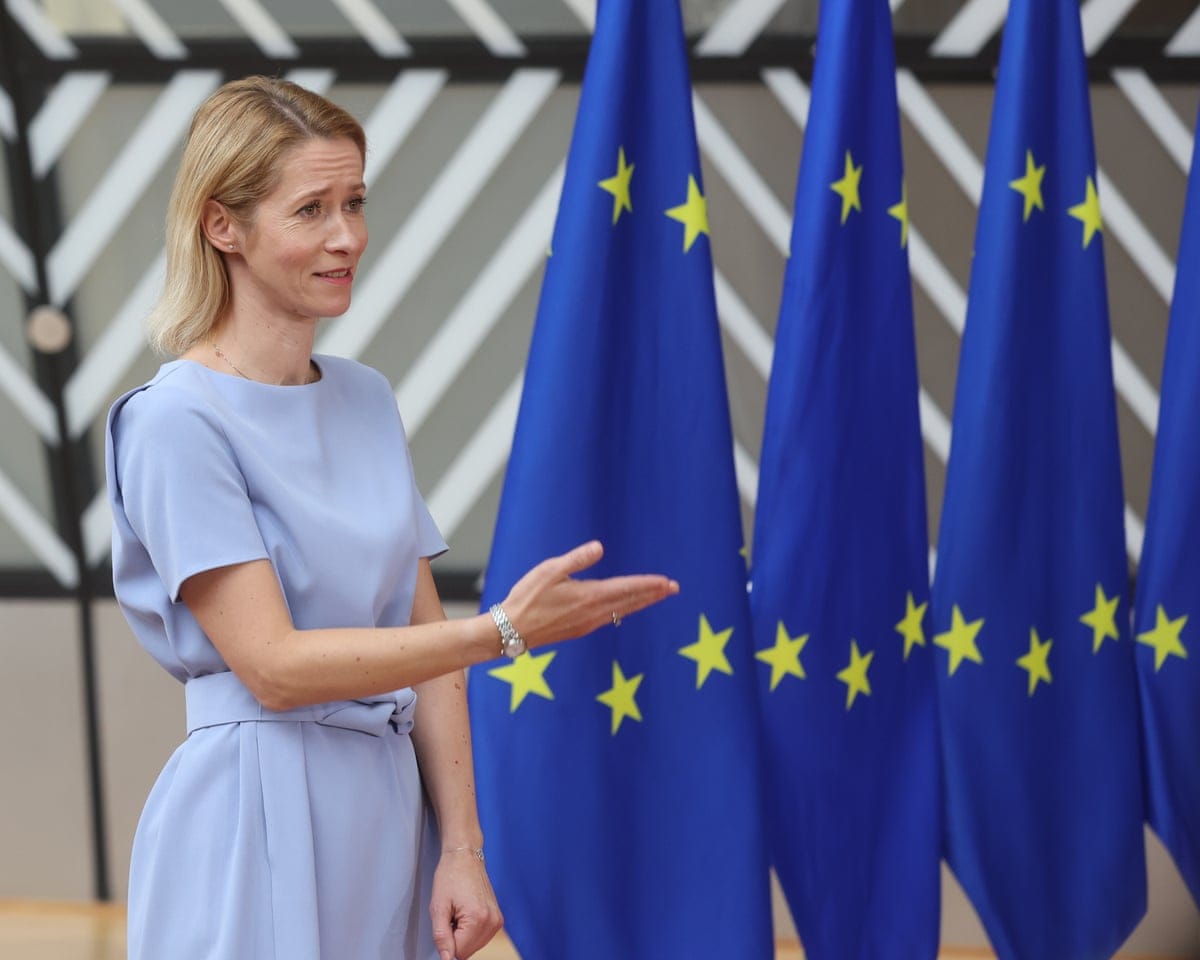
European nations, exposed as divided and sidelined during the Iran crisis, are now striving to regain influence in Middle East negotiations, fearing that an unpredictable Donald Trump has less incentive to stabilize Iran or the region after achieving his primary goal of dismantling Tehran's nuclear program.
Recently, the EU's top diplomat, Kaja Kallas, contacted Iran's foreign minister, Abbas Araghchi, offering mediation and urging Tehran to avoid escalating tensions by barring UN weapons inspectors. French President Emmanuel Macron also broke years of silence to discuss nuclear proliferation risks with Vladimir Putin, exploring potential compromises between Iran and the U.S. on a limited civilian nuclear program. Macron, a long-time participant in Iranian diplomacy, nearly facilitated direct talks between Trump and then-President Hassan Rouhani in 2018.
However, Iran, angered by what it sees as Europe's passive support for U.S. and Israeli airstrikes—which have killed over 930 and injured thousands—has little confidence in Europe's ability to sway Washington.
For Europe, this represents a gradual decline in diplomatic relevance. The three major European powers—France, Germany, and the UK (E3)—once played a central role in Iran's diplomacy, particularly in negotiating the 2015 nuclear deal alongside the U.S., China, Russia, and Iran. Yet, they had minimal involvement in Trump's recent negotiations, led by Middle East envoy Steve Witkoff, and received barely an hour's notice before the U.S.-led strikes.
A June 20 meeting in Geneva between E3 foreign ministers and Iranian diplomats ended unsuccessfully, followed swiftly by U.S. airstrikes on Iranian nuclear sites. France later claimed to have assisted Israel in countering Iranian drones.
Trump later boasted, "Iran doesn’t want to speak to Europe. They want to speak to us. Europe is not going to be able to help in this one."
From Iran’s perspective, Europe has repeatedly failed as a negotiating partner, lacking independence from the U.S. After Trump abandoned the nuclear deal in 2018, the E3 issued a joint condemnation but took no meaningful action to ease sanctions on Iran as promised. Concerns over U.S. penalties deterred European businesses from engaging with Tehran.
Many in Iran believe Europe’s hesitation forced them to resort to nuclear brinkmanship, including incremental uranium enrichment beyond the 2015 agreement’s limits.
Read next
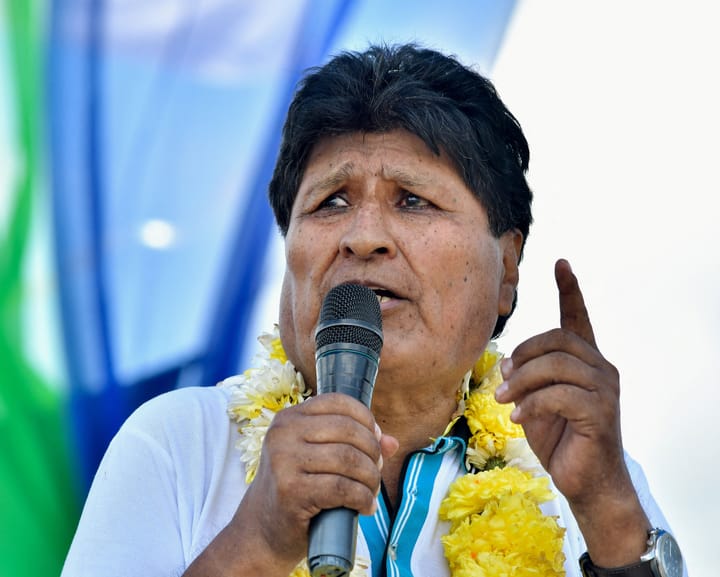
Bolivia Probes Ex-President Evo Morales for Suspected Involvement in 2009 Killings
The Bolivian attorney general has initiated an investigation into former leftist president Evo Morales, citing allegations of his involvement in the murder and torture of European nationals in 2009.
In 2009, police conducted a raid on a Santa Cruz hotel, resulting in the deaths of Eduardo Rózsa Flores, a Bolivian-
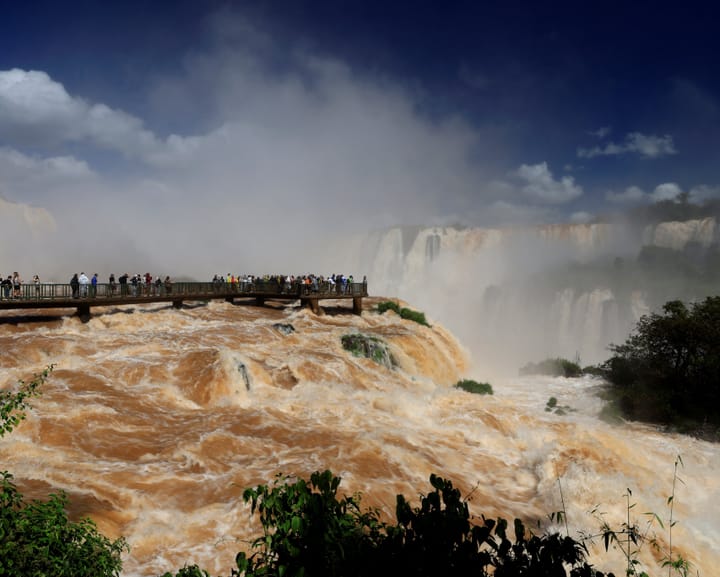
Argentina Closes Iguazu Falls Temporarily Due to El Niño-Induced Water Surge
Heavy rainfall driven by a potent El Niño weather pattern temporarily led Argentinian authorities to close tourist access to the renowned Iguazu Falls. The closure occurred due to concerns that rising water levels might cause the river to overflow its banks.
On Monday, national park officials implemented this precautionary measure
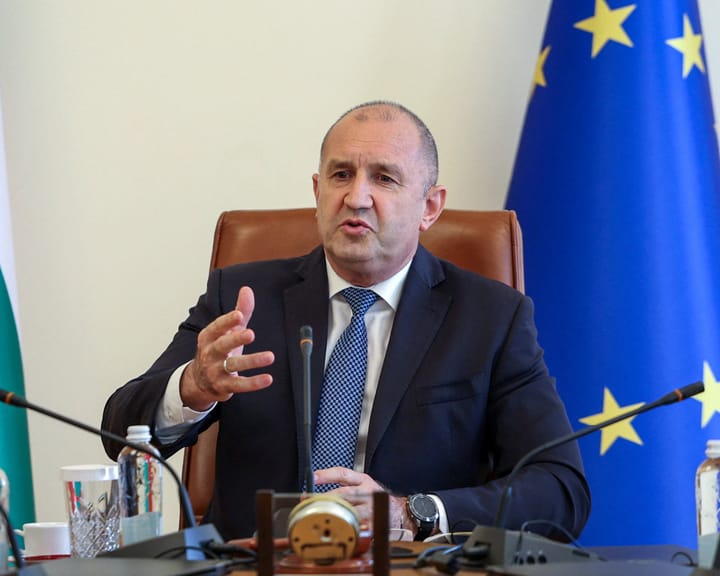
Mysterious Drones Strike Two Vessels Near Bulgarian Coast – Europe Live
Morning Update: Two Ships Targeted by Drones Off Bulgarian Coast
This morning, two ships in the Black Sea near Bulgaria were struck by drones of unknown origin. The attack led to the sinking of one vessel and initiated emergency rescue operations, as reported by Bulgarian Prime Minister Rumen Radev. Rescue