
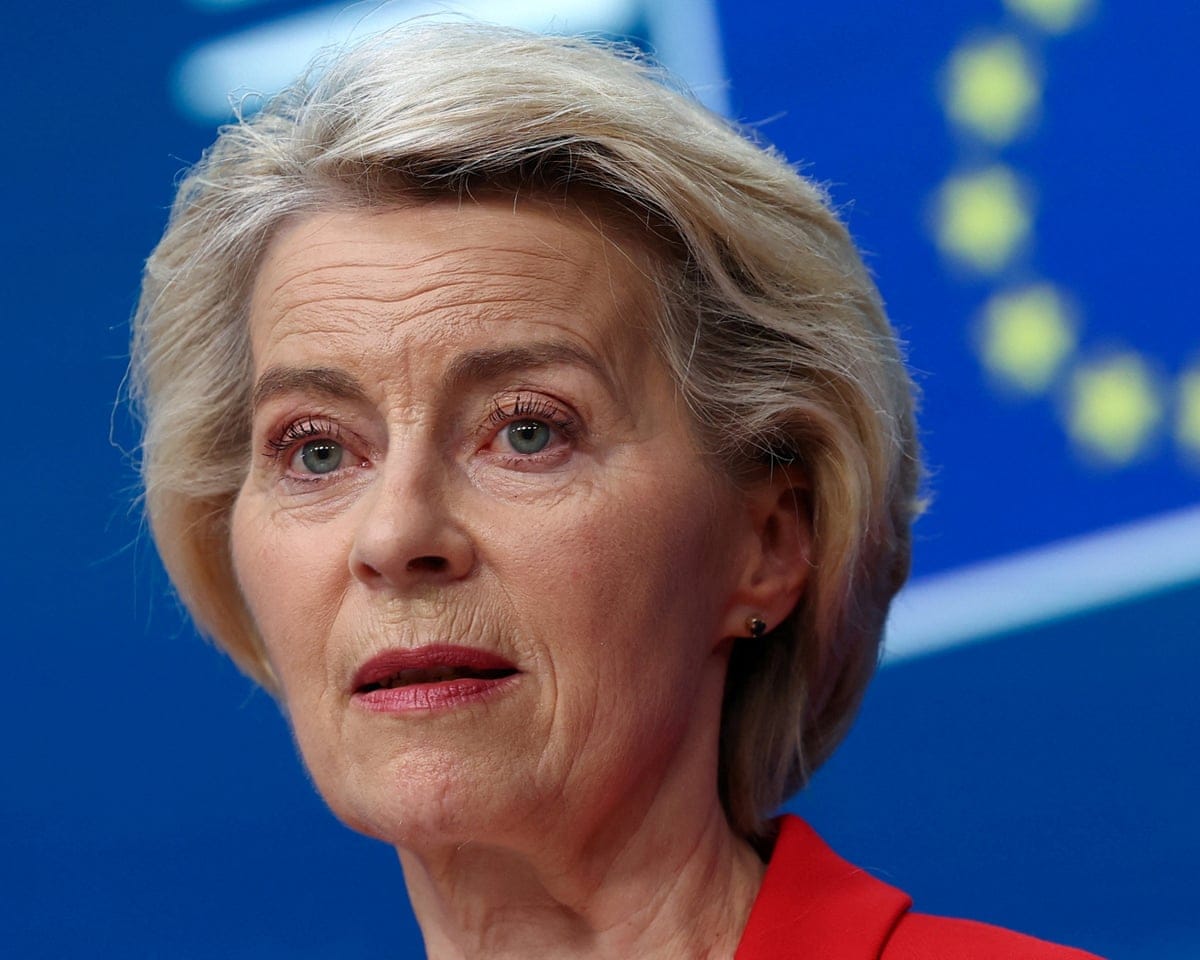
Ursula von der Leyen, president of the European Commission, is set to face an unusual censure vote in the European Parliament, with the debate likely to expose frustrations over the bloc’s shifting political direction.
Though von der Leyen is almost certain to survive Thursday’s vote—which, in theory, could force her resignation—the discussion has brought to light growing dissatisfaction among centrist, center-left, and green lawmakers who supported her reelection less than a year ago. That vote followed elections where right-wing nationalist parties made significant gains.
The censure motion, introduced by far-right Romanian lawmaker Gheorghe Piperea, focuses primarily on von der Leyen’s refusal to disclose text messages exchanged with Pfizer’s CEO during the height of the pandemic. The EU’s top court has criticized her handling of the matter, and an independent oversight body called it a failure in administration.
The motion also voices objections to the EU’s pandemic recovery funding and the legal framework of a proposed €150 billion defense initiative, alongside unverified allegations of meddling in German and Romanian elections.
Piperea’s proposal gained the support of 76 nationalist and far-right lawmakers, surpassing the 10% threshold needed for consideration.
Speaking in the European Parliament on Monday, von der Leyen dismissed what she called "false claims of election interference" and efforts to "rewrite the history of how Europe united to tackle a global crisis." She framed the censure motion as part of a "broader conflict between democratic values and authoritarianism," singling out extremist groups "driven by conspiracy theories, from anti-vaccine activists to those who justify Russia’s actions."
However, officials close to her are concerned that low participation or abstentions from mainstream political groups could weaken her position. Political analyst Sophia Russack noted that abstentions would send a clear signal of disapproval, adding, "While she will certainly survive, this isn’t really about the Pfizer texts. It’s a symbolic clash."
Von der Leyen was reelected last year as European Commission president with support from centrist, center-right, center-left, and green parties—groups that mostly lost ground to right-wing nationalists in the election.
The center-right European People’s Party, which saw a slight increase in votes in the 2024 elections, has pledged its full support. "We will unanimously reject this motion on Thursday," stated EPP leader Manfred Weber.
Meanwhile, the Socialists and Democrats group has indicated a divided stance, with some members criticizing her leadership.
Read next
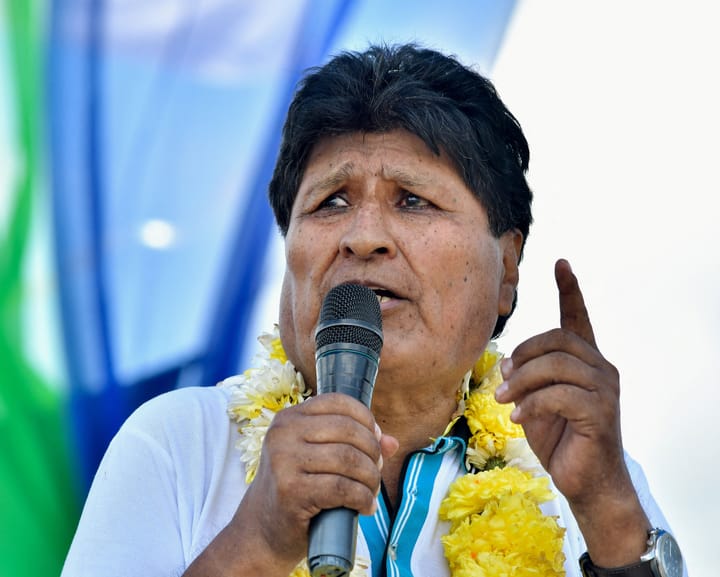
Bolivia Probes Ex-President Evo Morales for Suspected Involvement in 2009 Killings
The Bolivian attorney general has initiated an investigation into former leftist president Evo Morales, citing allegations of his involvement in the murder and torture of European nationals in 2009.
In 2009, police conducted a raid on a Santa Cruz hotel, resulting in the deaths of Eduardo Rózsa Flores, a Bolivian-

Argentina Closes Iguazu Falls Temporarily Due to El Niño-Induced Water Surge
Heavy rainfall driven by a potent El Niño weather pattern temporarily led Argentinian authorities to close tourist access to the renowned Iguazu Falls. The closure occurred due to concerns that rising water levels might cause the river to overflow its banks.
On Monday, national park officials implemented this precautionary measure
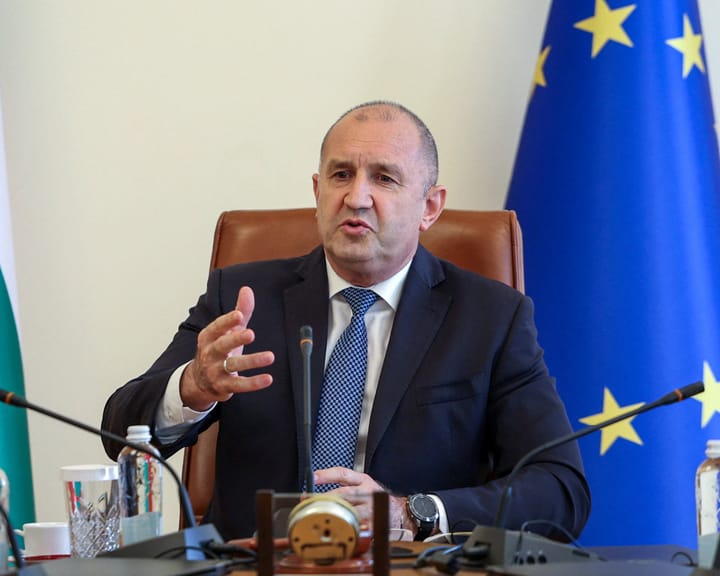
Mysterious Drones Strike Two Vessels Near Bulgarian Coast – Europe Live
Morning Update: Two Ships Targeted by Drones Off Bulgarian Coast
This morning, two ships in the Black Sea near Bulgaria were struck by drones of unknown origin. The attack led to the sinking of one vessel and initiated emergency rescue operations, as reported by Bulgarian Prime Minister Rumen Radev. Rescue