
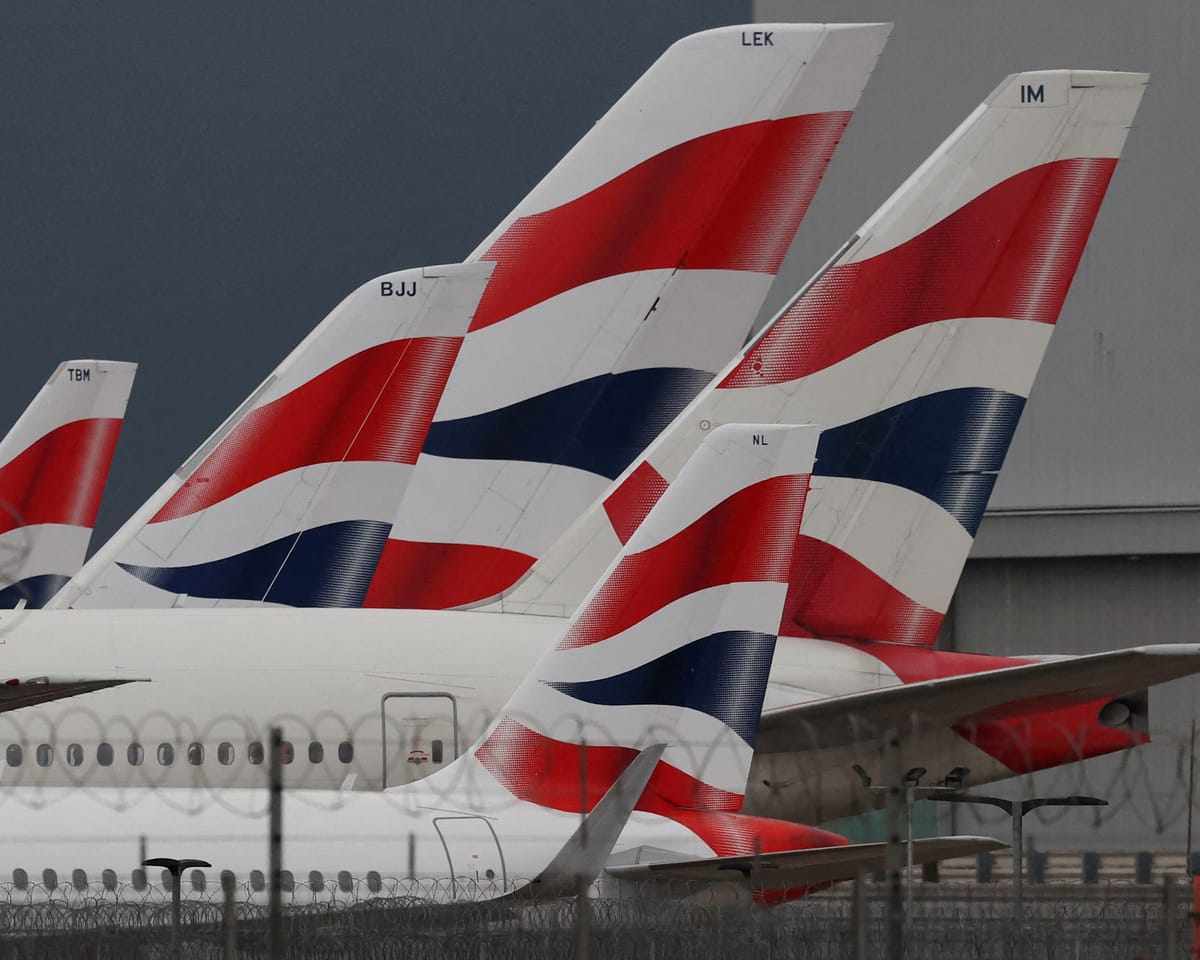
Europe’s leading carriers have warned that the surge in fuel costs triggered by the Middle‑East conflict will lift ticket prices and are urging travellers to secure reservations promptly.
Although airlines have partially insulated themselves against jet‑fuel price swings, executives said they cannot indefinitely shield passengers from the extra expense.
Long‑haul operators such as Air France‑KLM and Lufthansa announced plans to increase services to Asia as Gulf hubs remain closed or operate at reduced capacity following the US‑Israeli strike on Iran.
EasyJet rejected concerns about imminent fuel shortages affecting European routes, even as supply worries persist in parts of Asia and Vietnamese airlines have recently signalled possible schedule cuts.
Kenton Jarvis, the chief executive of the carrier, stated that the airline is “not encountering any problems” with its fuel provision.
He added, however, that travellers should book as early as possible, noting that fuel‑price hedges are beginning to unwind, which will lead to higher fares.
Ryanair’s chief executive, Michael O’Leary, similarly downplayed short‑term impacts but cautioned that a six‑month persistence of rising fuel costs would pose a challenge for airlines.
IATA’s jet‑fuel tracker shows kerosene prices were already 94 % above the yearly average at the close of last week, and crude‑oil prices jumped again on Thursday as hostilities intensified.
The statements were made in Brussels under the banner of Airlines for Europe (A4E), a trade and lobbying association representing 16 airline groups, including IAG (owner of BA), Air France‑KLM and Lufthansa.
Analysts noted that the turmoil might also present opportunities for Europe’s long‑haul carriers if they can reclaim their global standing after losing ground to Gulf‑based airlines and hubs.
Lufthansa reported adding 40 extra flights to Asian destinations to offset the disruption in the Gulf region.
Air France‑KLM said it is also expanding capacity to Asia, regaining market share on the basis of “very healthy” demand for routes to Asia and Africa.
British Airways this week disclosed new direct services to Melbourne, Australia, extending its Kuala Lumpur‑based flights from London Heathrow.
The airline indicated it will introduce further services to locations such as the Caribbean, avoiding the congested and disrupted airspace over the Middle East.
Nevertheless, Oxford Economics warned that European tourism could suffer, with nearly 28 million outbound trips from the Middle East at risk.
The consultancy highlighted Turkey, France and the United Kingdom as especially exposed, given their traditionally larger share of Middle‑Eastern visitors.
Mediterranean markets like Spain, Portugal and Greece may see a boost as alternative destinations for travellers who might otherwise have headed to the Gulf, the report added.
A4E leaders issued a joint statement urging European policymakers to support the sector by reducing green taxes, arguing that airlines are “losing competitive ground to non‑EU carriers, destinations and hubs that do not face comparable regulatory duties”.
Read next

WTO warns that sustained high oil prices may hinder AI growth.
A prolonged stretch of elevated oil prices caused by the conflict in the Middle East could “crimp” the AI surge, warned the chief economist of the World Trade Organization.
The war and its effect on energy and fertilizer costs is identified as the principal risk to the world economy in
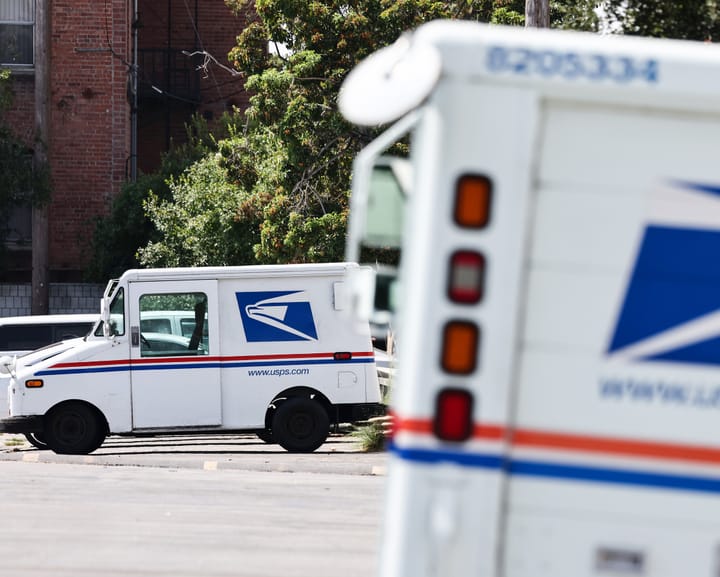
US Postal Service faces cash shortage by Feb 2027, agency chief warns
The United States Postal Service faces a cash shortfall within the next twelve months unless Congress removes the borrowing limit imposed on the agency, the postmaster general warned.
Speaking to the Associated Press, David Steiner said the service – which funds its operations through stamps and fees rather than tax revenue
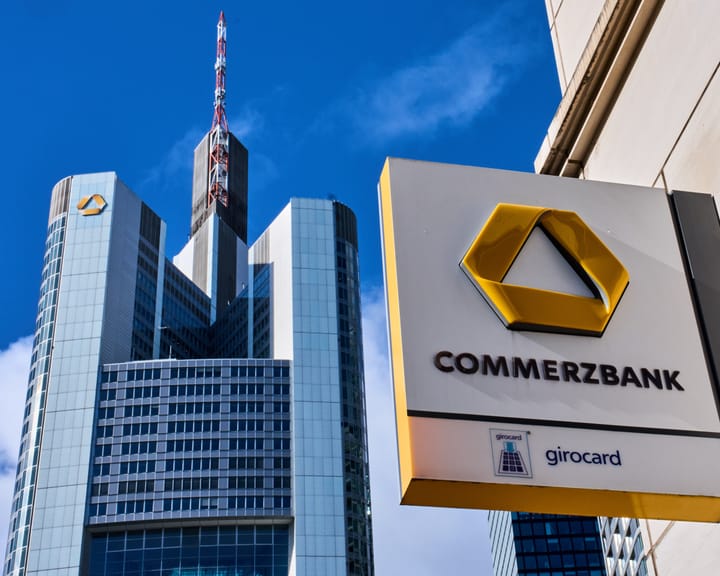
UniCredit launches aggressive bid for Commerzbank as European takeover war intensifies
Two major European banks have entered a €35 billion (£30 billion) takeover contest after Italy’s UniCredit intensified its long‑standing bid for German lender Commerzbank, despite firm resistance from the German government.
UniCredit initially acquired a 9 % stake in Commerzbank in September 2024 and has since increased its holding