
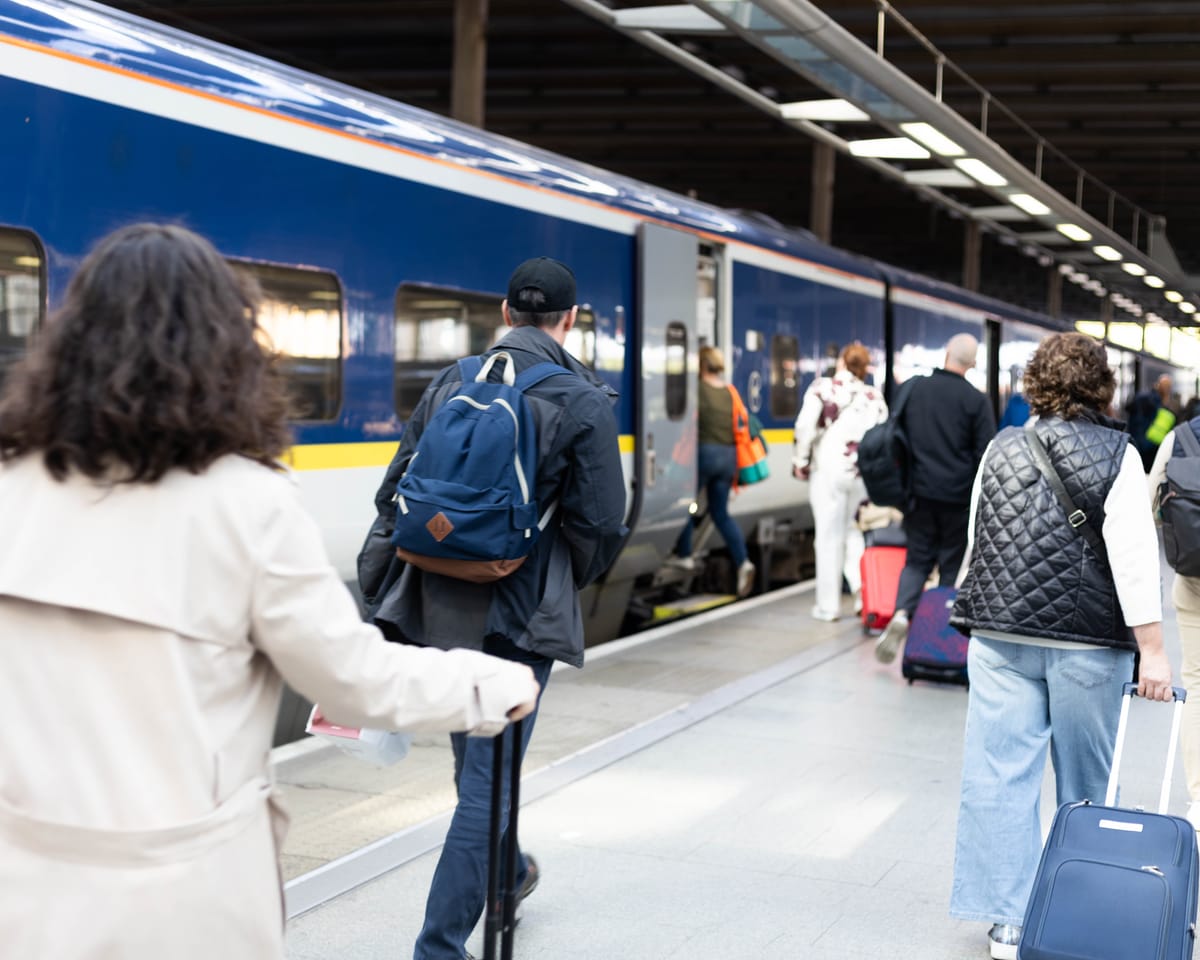
Eurostar will introduce double-decker trains in the Channel Tunnel to accommodate rising demand for cross-border rail journeys from the UK.
The company confirmed a €2bn (£1.7bn) agreement with Alstom to acquire at least 30—and potentially up to 50—new trains.
These double-deckers, set to begin service in 2031, will each accommodate over 1,000 passengers. Eurostar stated that the Celestia models, the first of their kind in the UK, will provide roughly 20% more seating than its largest current trains. The additional space will include areas for stairs, wheelchairs, bicycles, extra legroom, and undisclosed features.
Owned by SNCF, Eurostar intends to service its full fleet at the Temple Mills facility in northeast London, which it aims to modernize with an €80m upgrade, generating 350 jobs.
The announcement coincides with the UK’s Office of Rail and Road preparing to decide whether Eurostar must share Temple Mills with competitors. Several other high-speed rail firms, including Virgin, FS Italiane (partnering with Spain’s Evolyn), and Gemini, have sought access to the depot—a move Eurostar claims conflicts with its expansion goals.
Last week, FS Italiane pledged to stop at Ashford, Kent, if selected, following government calls to prioritize bids that revive unused high-speed stations.
Eurostar’s chief executive, Gwendoline Cazenave, denied a link between the timing of the order and the depot decision, stating it reflects the company’s recovery from earlier declines.
She said, “This order is a key step in Eurostar’s strategy to serve 30 million passengers with a modernized fleet. Introducing double-decker trains to the UK is a landmark moment. The Celestia will combine comfort, innovation, and a distinctive experience.”
Alstom CEO Henri Poupart-Lafarge added, “This next-generation train, tailored for high-speed international travel, represents our commitment to efficient, sustainable mobility in Europe.”
The trains will operate across Eurostar’s network, including future routes to Frankfurt and Geneva. Older models, except the 17 newest e320s, will gradually retire, expanding the fleet by around 30% if all 50 trains are delivered.
Cazenave noted the order was planned well in advance and stressed the UK must enhance international rail capacity regardless of the depot outcome. “This is a pivotal moment for the UK,” she said. “Market demand underscores the need for sustainable expansion.”
Read next
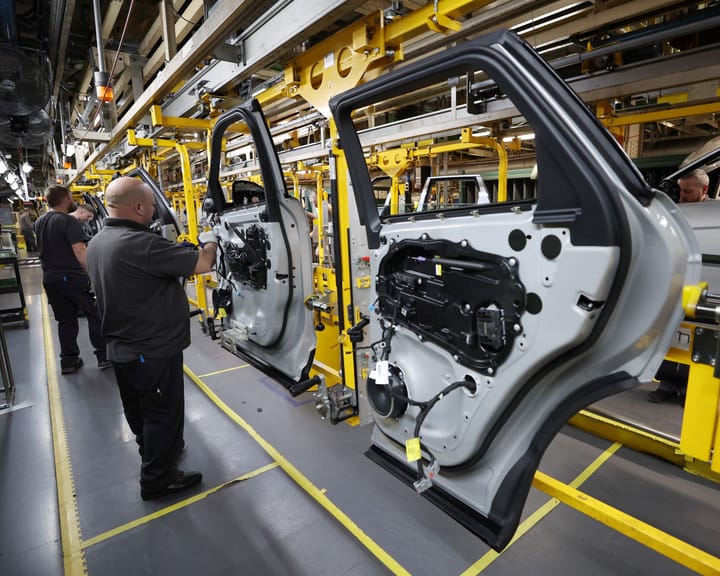
Jaguar Land Rover suppliers voice ‘everything is against us’ amid cutbacks
David Roberts, chair of Coventry-based Evtec, says the outlook for Britain’s automotive sector is grim, with “everything against us.” Evtec is a tier 1 supplier to Jaguar Land Rover, which this week announced 4,000 job cuts over two years despite chancellor John Healey’s attempt to talk
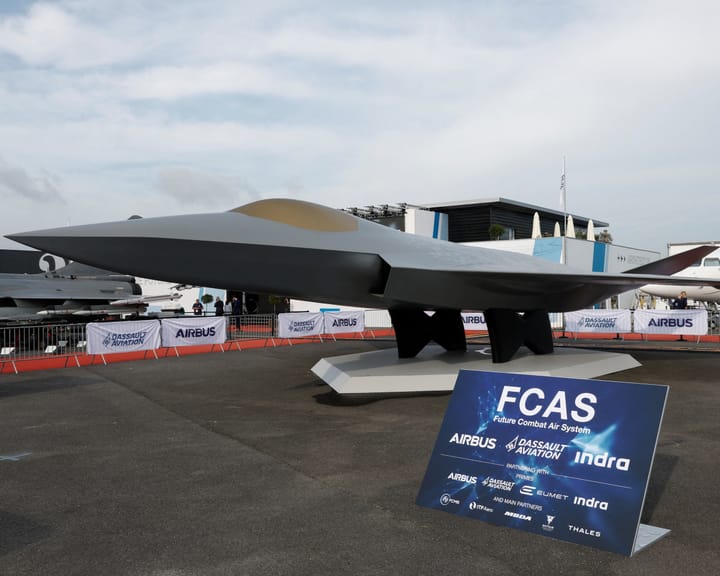
Europe’s fighter jet plans in disarray: what comes next?
When former ECB president and Italian PM Mario Draghi urged Europe to catch up economically with the US and China, defence collaboration was prescribed. No more should each nation build independent boats, tanks or jets; allies should share costs and technologies.
Europe stumbled at the first hurdle. German Chancellor Friedrich
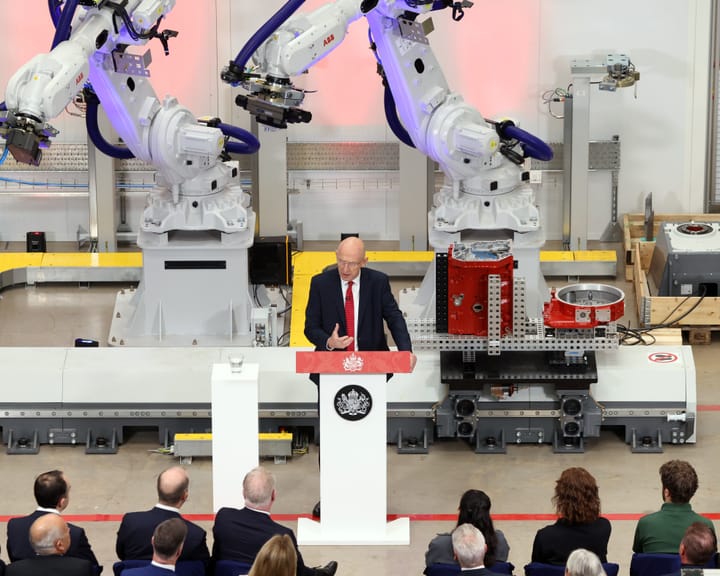
John Healey supports growth but insists Labour must be truthful about spending
John Healey has stated that his primary goal as chancellor will be to boost economic growth, while acknowledging that Labour must be straightforward about controlling public spending at next month's budget.
In his first major address since assuming the role in July, Healey said the leading focus of