

For much of the last three decades, the European Union has been at the forefront of global efforts to address climate change. The bloc achieved significant cuts in greenhouse gas emissions under the Kyoto Protocol, pioneered climate legislation, established the first emissions trading system in 2005, and played a key role in the 2015 Paris Agreement.
While other major nations—such as the U.S., Japan, Canada, China, and India—have at times retreated from climate commitments, the EU has consistently pushed forward. Without its efforts, the Paris Agreement might not have happened, as the bloc was instrumental in securing a crucial agreement at the 2011 Durban climate summit.
However, according to Wopke Hoekstra, the EU’s climate commissioner, that era has ended. While Europe will continue to lead, he stressed that other nations must also contribute.
“[We should expect] commitments from more than just the EU, since we account for only 6% of global emissions. Without broader participation, we won’t solve this crisis,” he said in an interview before the European Commission unveiled its proposed 2040 emissions target. “As much as I recognize the high expectations [for EU leadership], we need perspective. Our approach will remain ambitious yet practical.”
The commission’s proposal calls for a 90% reduction in greenhouse gas emissions by 2040 compared to 1990 levels. This figure falls at the lower end of the 90-95% range advised by the bloc’s scientific experts and has drawn criticism for allowing up to 3% of reductions to come from purchasing carbon credits abroad starting in 2036.
Mohamed Adow, director of the Nairobi-based think tank Power Shift Africa, warned: “The EU’s inclusion of carbon credits in its 2040 target is alarming and risks eroding trust when Europe must fill the gap left by the U.S. Carbon credits are an illusion—a way for wealthy nations to keep polluting while pretending climate action happens elsewhere.”
Yet, some support the approach. Rachel Humphries, Europe climate policy lead at the Nature Conservancy, said, “Properly managed carbon markets can accelerate climate progress.”
The proposal still faces significant obstacles. Opposition in the European Parliament is possible, and some member states—including Hungary, long skeptical of climate policy, and surprisingly France—have indicated they may push back.
On the 10th anniversary of the Paris Agreement, French President Emmanuel Macron suggested delaying the 2040 target by decoupling it from discussions on the
Read next
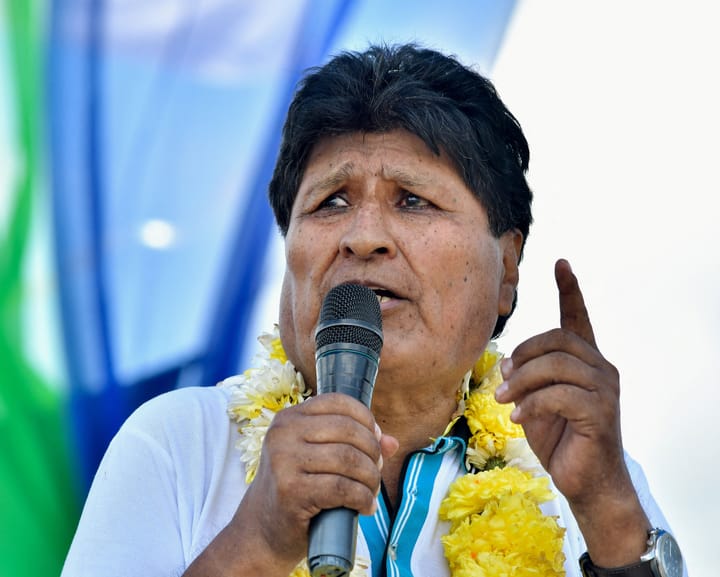
Bolivia Probes Ex-President Evo Morales for Suspected Involvement in 2009 Killings
The Bolivian attorney general has initiated an investigation into former leftist president Evo Morales, citing allegations of his involvement in the murder and torture of European nationals in 2009.
In 2009, police conducted a raid on a Santa Cruz hotel, resulting in the deaths of Eduardo Rózsa Flores, a Bolivian-
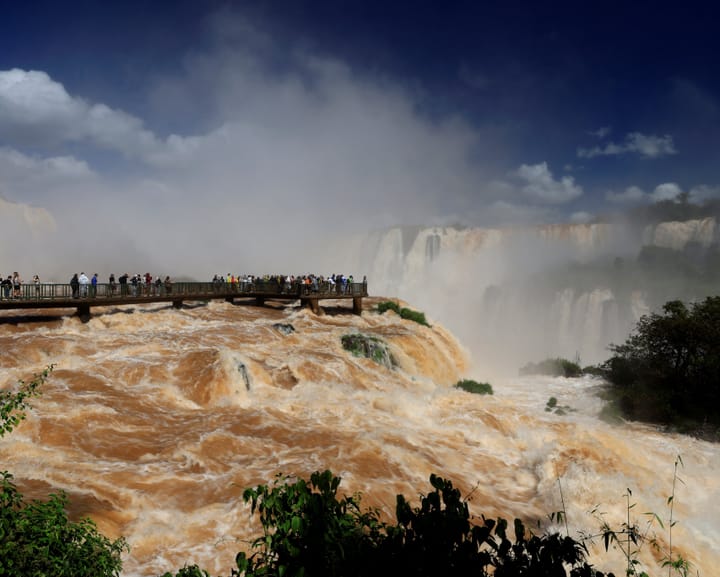
Argentina Closes Iguazu Falls Temporarily Due to El Niño-Induced Water Surge
Heavy rainfall driven by a potent El Niño weather pattern temporarily led Argentinian authorities to close tourist access to the renowned Iguazu Falls. The closure occurred due to concerns that rising water levels might cause the river to overflow its banks.
On Monday, national park officials implemented this precautionary measure
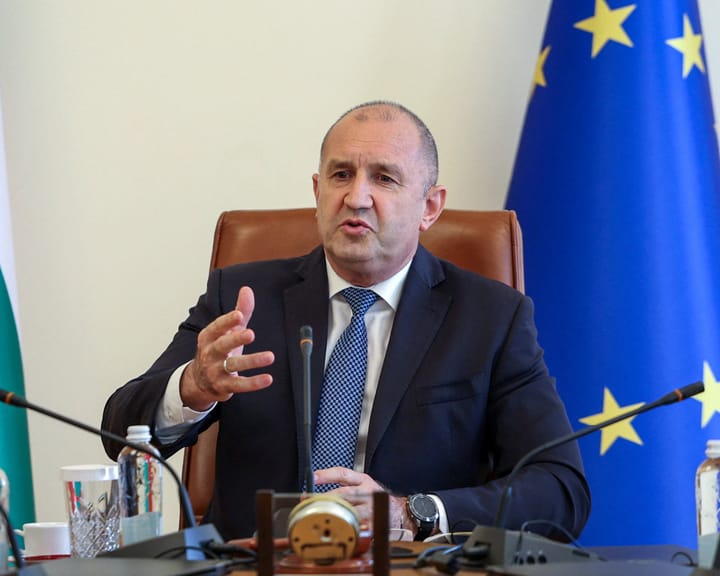
Mysterious Drones Strike Two Vessels Near Bulgarian Coast – Europe Live
Morning Update: Two Ships Targeted by Drones Off Bulgarian Coast
This morning, two ships in the Black Sea near Bulgaria were struck by drones of unknown origin. The attack led to the sinking of one vessel and initiated emergency rescue operations, as reported by Bulgarian Prime Minister Rumen Radev. Rescue