
In 1980, when Leonid Brezhnev led the Soviet Union and Donald Trump was developing real estate, the nine leaders of what was then the European Community took their first major step into shared diplomacy. The focus: the Middle East, particularly the question of a Palestinian state.
“The time has come to advance the acknowledgment and fulfillment of two principles widely accepted internationally: the right to exist and to security for all states in the region, including Israel … [and] recognition of the just claims of the Palestinian people,” declared the Venice statement, advocating for Palestinian self-determination.
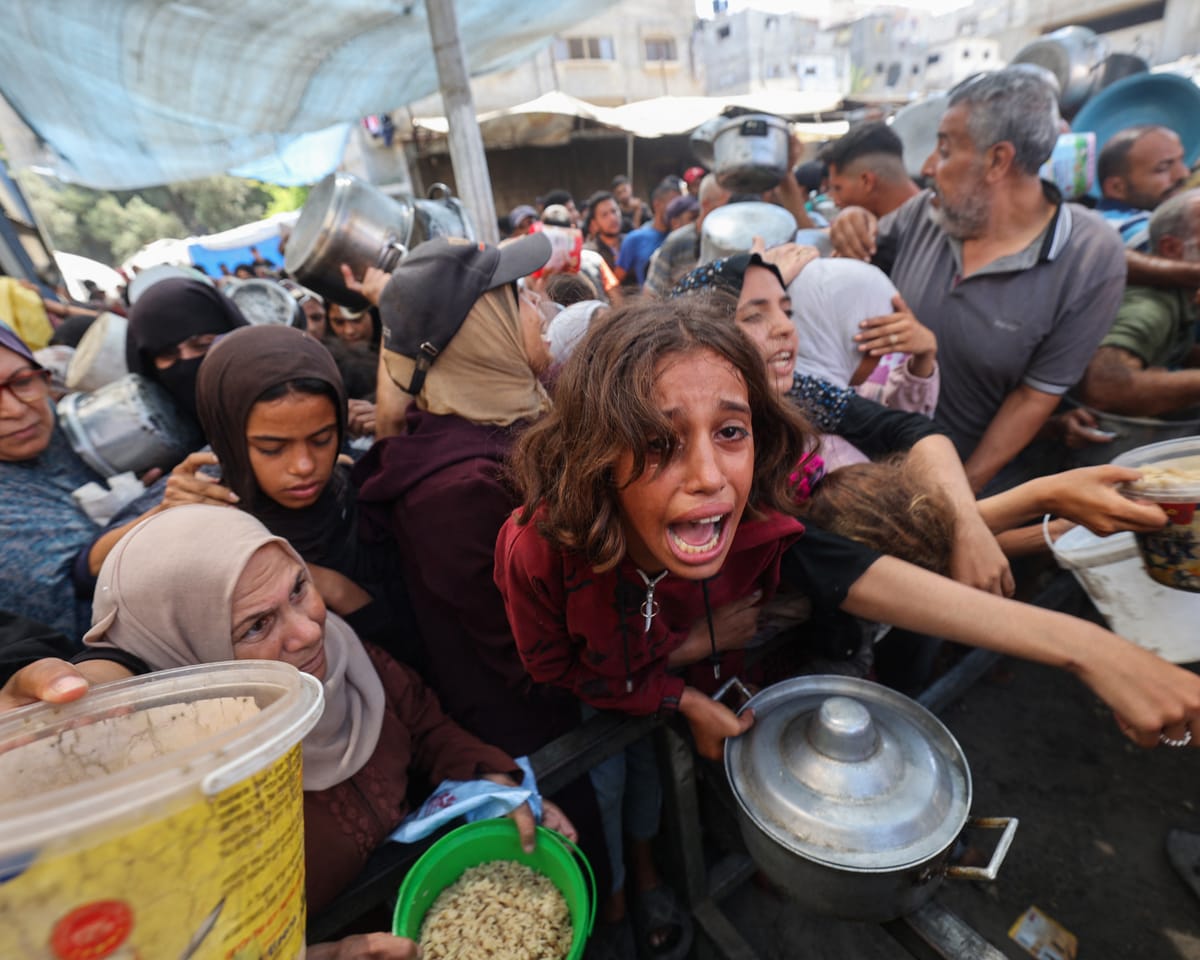
More than four decades and numerous statements later, the EU has faced criticism for its failure to contribute meaningfully to Middle East peace or address one of the world’s most urgent humanitarian crises.
Spain’s leader, Pedro Sánchez, recently described Europe's handling of Gaza as a disappointment. Similarly, Slovenia’s president, Nataša Pirc Musar, labeled Israel’s actions as “genocidal” and asked how officials, including some in EU nations, could ignore displacement, demolished homes, and severe shortages for Palestinians in Gaza. In an unusual reprimand, 209 former EU envoys and diplomats wrote to EU leaders last month, expressing deep frustration that no concrete steps had been taken to pressure Israel to halt its intense military campaign in Gaza.
As European leaders confront calls for action, the upcoming UN General Assembly (UNGA) may again highlight divisions within Europe regarding Israel, including the issue of recognizing Palestine.
France, the UK, Canada, and Australia have indicated plans to recognize Palestinian statehood at the UNGA—a significant symbolic step involving three G7 nations and two permanent UN Security Council members.
Nearly a third of EU countries already recognize Palestine. The first group includes several Central and Eastern European states that did so in 1988, during the Soviet era—among them Poland, Slovakia, Bulgaria, and Romania. Hungary, now led by Viktor Orbán, a vocal supporter of Israeli Prime Minister Benjamin Netanyahu, is also part of this group. While Czechoslovakia was included in 1988, the Czech Republic now calls the decision a product of its historical geopolitical context. Prague states it backs a two-state solution but does not recognize Palestine or plan to do so unilaterally.
The second group includes Western EU members that recognized Palestine in reaction to recent Israeli policies. Sweden did so in 2014 following the election of a government supported by pro-Palestinian left-leaning parties. Ireland, Spain, and (non-EU) Norway made the same decision in May 2024.
Read next
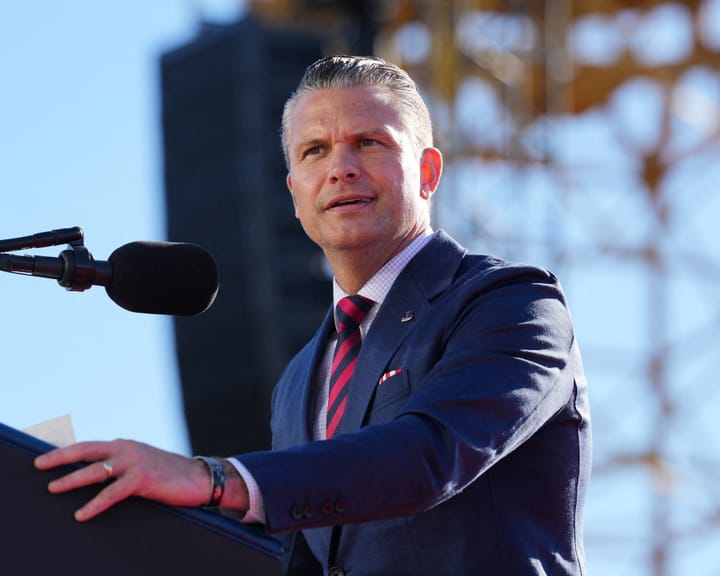
Pete Hegseth's proposal to stream executions aligns US with controversial nations.
If the US defense secretary, Pete Hegseth, proceeds with plans to livestream the execution of a soldier radicalized to extremist Islam, who killed 13 people at a military base in Texas, the US would join a group of lesser powers and rogue actors known for public executions in recent years.
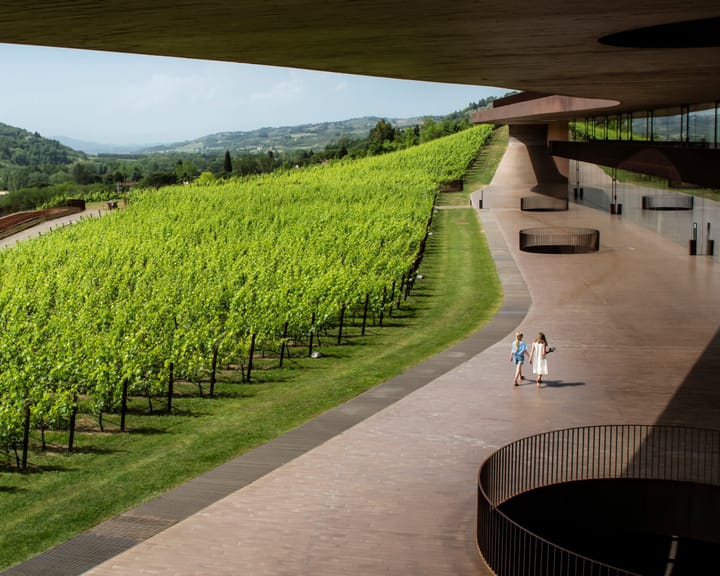
Criminals steal €5m from renowned Italian winery
In a significant theft in Tuscany, thousands of wine bottles valued at €5 million have been stolen from the renowned Marchesi Antinori winery, marking what is considered the largest heist of its kind in Italy. A group of at least seven masked individuals breached the winery's cellar in

Illuminated Theater in Havana – A Photographic Journey
Widespread blackouts have become more frequent in Cuba since the US imposed energy sanctions in January. These outages often last longer than 24 hours as the aging electrical grid struggles to cope. The Impulso theatre group has been forced to adapt, as the power cuts present significant challenges for the