
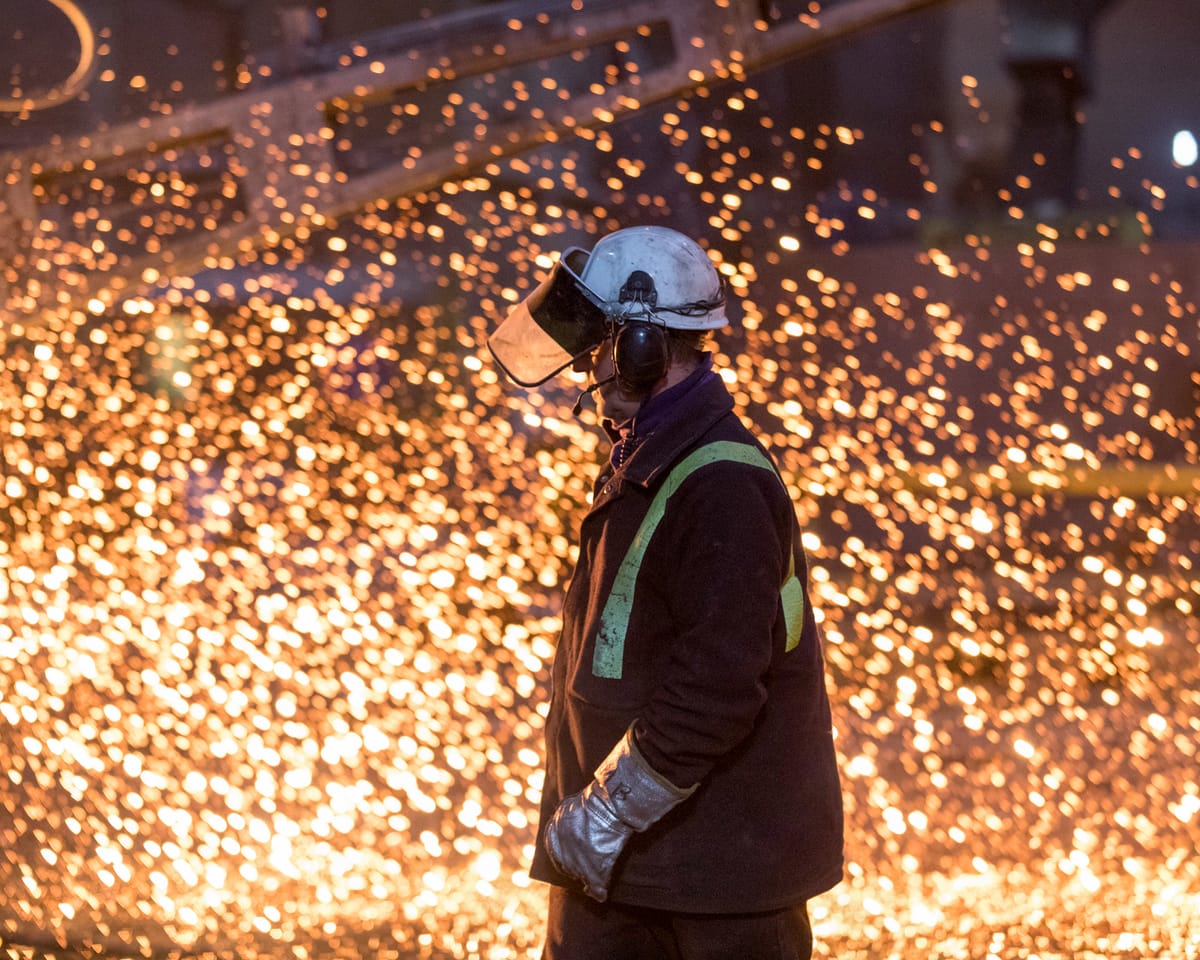
EU to Impose Higher Steel Tariffs, Raising Concerns for UK Industry
The EU has decided to increase tariffs on steel imports to 50%, mirroring measures introduced by Donald Trump, a move criticized as posing a severe risk to the UK’s steel sector.
With the majority of British steel exports destined for the EU, industry representatives warn that the change could create the most severe challenge the UK steel industry has ever faced.
Under the plan submitted to the European Parliament, the European Commission also suggested reducing the existing quota for duty-free imports and requiring foreign suppliers to disclose where the steel was produced, a measure aimed at stopping Chinese exports from entering through other nations.
Officials stated that the new regulations would serve as a step forward in discussions with the US, demonstrating shared concerns regarding trade practices.
“The European steel sector was facing collapse—these measures are intended to safeguard it, allowing for reinvestment and efforts to regain competitiveness,” said the EU’s industry representative, Stéphane Séjourné, at an event in Strasbourg.
The proposed changes would replace a system that has been in place for seven years, which was set to expire in 2026 and is no longer considered effective. Failing to act could have had disastrous consequences for the industry, according to one official.
The plan is also designed to support negotiations with the US over the removal of existing tariffs, by reinforcing opposition to unfair trade practices.
However, the head of the UK Steel industry group, Gareth Stace, warned that the increased tariffs would create an unprecedented challenge for British steel producers.
He urged the government to take immediate action to protect the sector, which is still recovering from earlier tariffs imposed by the US, warning that redirected global steel supplies could be devastating. The surge in imports, he said, could risk the survival of remaining UK steel firms.
A representative from the steelworkers’ union Community described the new policy as a critical threat to the industry’s future.
Union leaders and industry figures called on Keir Starmer to begin urgent talks with the EU to negotiate specific duty-free quotas for the UK, emphasizing that the country remains the EU’s largest export market.
European industry leaders have also expressed concerns for months, warning that the combination of high export tariffs, rising energy costs, and competition from cheaper imports puts their own sector at risk of being overwhelmed.
Steel production is seen as a vital industry on both sides of the Channel, supplying essential materials for construction, infrastructure, and manufacturing.
EU officials argue that the oversupply of steel from China has become unsustainable and presents a major challenge for global markets.
Read next
Jaguar Land Rover suppliers voice ‘everything is against us’ amid cutbacks
David Roberts, chair of Coventry-based Evtec, says the outlook for Britain’s automotive sector is grim, with “everything against us.” Evtec is a tier 1 supplier to Jaguar Land Rover, which this week announced 4,000 job cuts over two years despite chancellor John Healey’s attempt to talk
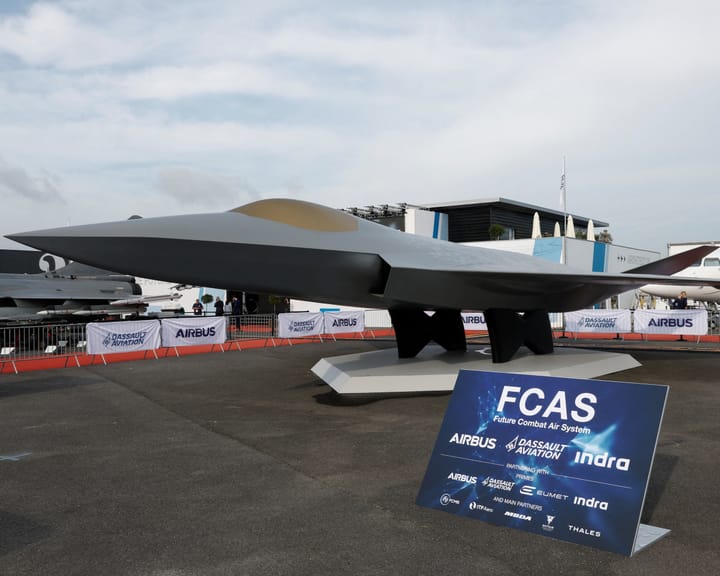
Europe’s fighter jet plans in disarray: what comes next?
When former ECB president and Italian PM Mario Draghi urged Europe to catch up economically with the US and China, defence collaboration was prescribed. No more should each nation build independent boats, tanks or jets; allies should share costs and technologies.
Europe stumbled at the first hurdle. German Chancellor Friedrich
John Healey supports growth but insists Labour must be truthful about spending
John Healey has stated that his primary goal as chancellor will be to boost economic growth, while acknowledging that Labour must be straightforward about controlling public spending at next month's budget.
In his first major address since assuming the role in July, Healey said the leading focus of