
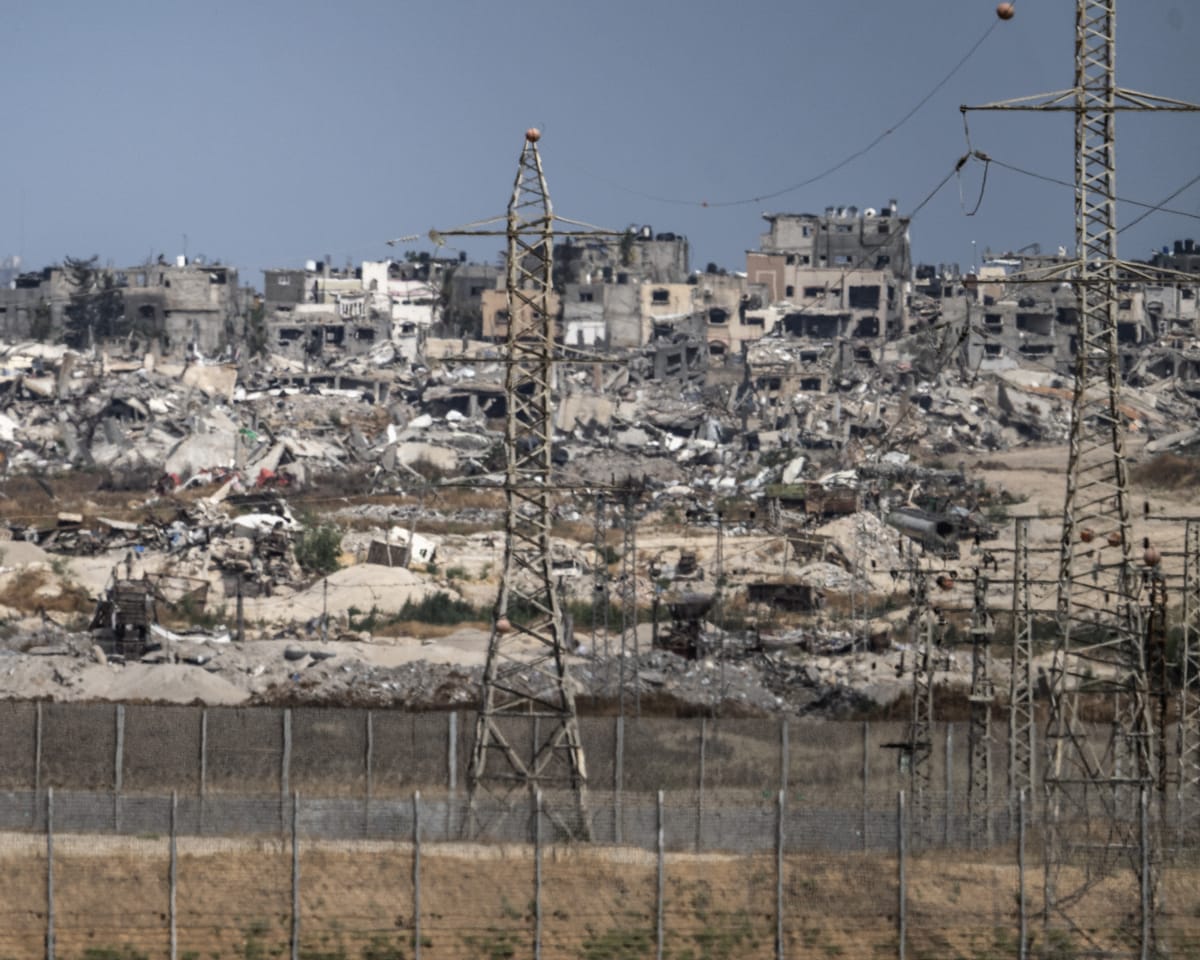
Granting Palestine official state recognition would clarify the Palestinian Authority’s (PA) right to develop the natural gas reserves in the Gaza Marine field, according to an expert involved in the delayed project.
Michael Barron, who has written a book on Palestine’s unexploited gas resources, estimates the field could yield $4bn (£3bn) in revenue at current prices, with the PA potentially receiving $100m annually over 15 years.
He noted that these funds “would not make the Palestinians as wealthy as Qatar or Singapore, but it would provide independent income rather than reliance on aid, which the Palestinian economy still depends on.”
Efforts to develop the field span nearly three decades, hindered by legal disputes over ownership.
A legal firm representing Palestinian human rights organizations warned the Italian state energy company ENI against extracting gas in Zone G, where Israel’s energy ministry previously issued six licenses.
The lawyers argue that roughly 62% of the zone lies within waters claimed by Palestine. Therefore, “Israel could not have validly granted exploration rights, and no such rights could have been lawfully obtained,” their letter states.
Palestine established its maritime borders, including an exclusive economic zone, upon joining the UN Convention on the Law of the Sea (UNCLOS) in 2015, and further detailed these claims in 2019. Israel has not signed UNCLOS.
Barron suggests that formal recognition of Palestine, especially by countries with major oil companies, would resolve legal uncertainties and provide the PA with a stable revenue source and energy supplies independent of Israel.
Since the legal notice, ENI has informed advocacy groups in Italy that “no licenses have been issued, and no exploration is currently underway.”
Another organization, Global Witness, contends that the East Mediterranean Gas pipeline, running near Gaza’s coast, is illegal as it crosses Palestinian waters and does not contribute revenue to the PA.
The 56-mile (90km) pipeline transports gas from Ashkelon, Israel, to Arish, Egypt, where it is liquefied for export, including to Europe.
Barron added, “The 1993 Oslo Accords explicitly grant the Palestinian National Authority authority over territorial waters, subsoil resources, and the power to regulate oil and gas exploration, including issuing licenses. Control over natural resources was key to former Palestinian leader Yasser Arafat’s state-building efforts. Israel’s exploitation of Palestinian resources has long been a core issue in the conflict.”
Gas was first discovered in the Gaza Marine field in 2000 through a joint venture between BG Group, a privatized offshoot of British Gas, and the Palestinian Consolidated Contractors Company. Plans for development have since stalled.
Read next

Bolivia Probes Ex-President Evo Morales for Suspected Involvement in 2009 Killings
The Bolivian attorney general has initiated an investigation into former leftist president Evo Morales, citing allegations of his involvement in the murder and torture of European nationals in 2009.
In 2009, police conducted a raid on a Santa Cruz hotel, resulting in the deaths of Eduardo Rózsa Flores, a Bolivian-

Argentina Closes Iguazu Falls Temporarily Due to El Niño-Induced Water Surge
Heavy rainfall driven by a potent El Niño weather pattern temporarily led Argentinian authorities to close tourist access to the renowned Iguazu Falls. The closure occurred due to concerns that rising water levels might cause the river to overflow its banks.
On Monday, national park officials implemented this precautionary measure
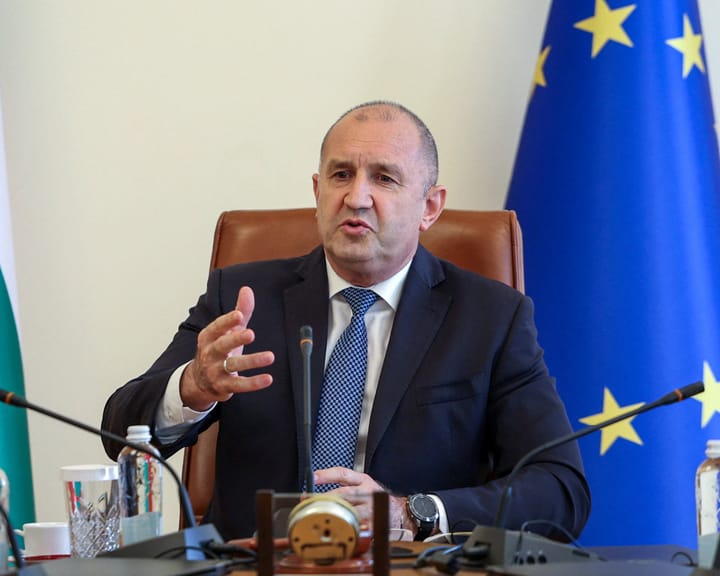
Mysterious Drones Strike Two Vessels Near Bulgarian Coast – Europe Live
Morning Update: Two Ships Targeted by Drones Off Bulgarian Coast
This morning, two ships in the Black Sea near Bulgaria were struck by drones of unknown origin. The attack led to the sinking of one vessel and initiated emergency rescue operations, as reported by Bulgarian Prime Minister Rumen Radev. Rescue