

The Trump administration is conducting an unlawful campaign against Iran, one that contravenes both the U.S. Constitution and the laws governing international armed conflict, according to a number of legal scholars and bipartisan legislators.
The Senate is set to vote on Wednesday on whether to stop Donald Trump’s military operation, which began on 28 February. Hundreds of individuals, including six American service members, have died in a clash that has now spread to Lebanon, Syria, Iraq, Israel and the Persian Gulf.
The administration has offered varying justifications for its decision to strike Iran, at times portraying the action as a pre‑emptive war of choice intended to diminish Tehran’s offensive and nuclear capabilities, while at other moments claiming that the Iranians were unwilling to abandon their nuclear goals, or that the United States intervened to safeguard American interests after Israel pledged its own offensive.
“An Iranian regime equipped with long‑range missiles and nuclear weapons would pose a grave danger to every American,” the president said in his first public remarks from Washington on Monday. “We cannot permit a nation that sponsors terrorist groups to possess such weapons.”
Trump has also outlined broader wartime aims, including neutralising threats from the Iranian government and its regional proxy forces, but he has not provided a definitive timetable for attaining these objectives.
Secretary of State Marco Rubio offered a slightly different rationale, stating that the White House felt forced to strike Iran because its close ally Israel was resolved to act, and, he told lawmakers Monday evening, the administration believed any Israeli move would trigger an attack on U.S. forces.
“It was crystal clear that if Iran were attacked by anyone – the United States, Israel or another party – they would respond, and that response would be directed at the United States,” Rubio told reporters at the Capitol.
Several attorneys have questioned the legal foundation for the administration’s expansive explanations for initiating hostilities.
“Those are military policy goals,” said Wells Dixon, a senior lawyer at the Center for Constitutional Rights after reviewing Trump’s reasoning. “They do not constitute a legal justification for launching an armed attack on another nation.”
Marko Milanović, a professor of international law at the University of Reading, concurred that Iran may represent a threat, but argued that numerous alternatives exist. “Resorting to force would require a basis in self‑defence,” he said.
The administration has previously boasted of its success in “obliterating” Iran’s nuclear facilities. Yet Trump revived the specter of an Iranian menace in his State of the Union address, asserting that Iran was “working to build missiles that will soon reach the United States of America.”
Rubio’s remarks invoked two legal doctrines that could potentially legitimize the conduct of war.
Read next

Tokyo tourist hotspot outlaws short-term rentals amid complaint surge
Shinjuku Ward, Tokyo, has moved to ban short-term rental accommodations in residential areas and near schools and important cultural sites, following a slew of complaints about visitor behaviour. The decision, to be enacted through a local ordinance, marks the latest sign that Japan’s patience with mass tourism is
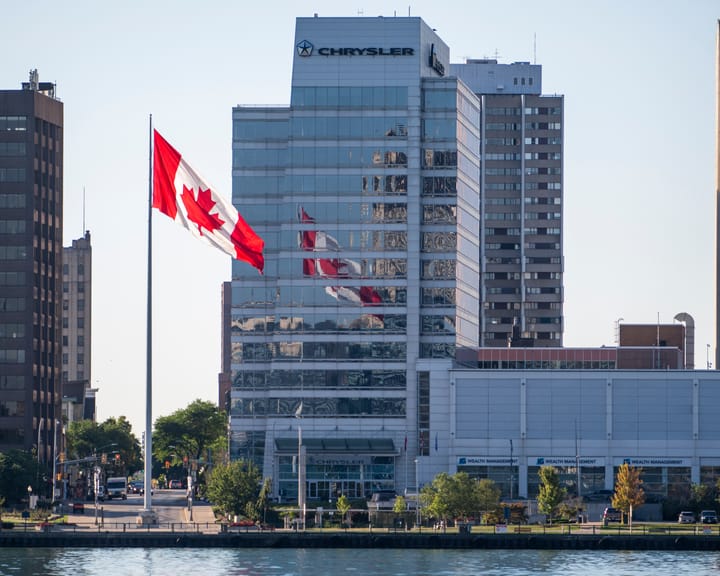
Canada implements retaliatory US tariffs as trade dispute intensifies
Canada’s retaliatory tariffs on about $20 billion worth of American imports took effect at 12.01am on Tuesday, ranging from 15% to 50% and applying to steel, dairy, appliances, agricultural equipment, pulp and paper, and electronics. The measures, a response to the United States’ 50% tariff on $20 billion
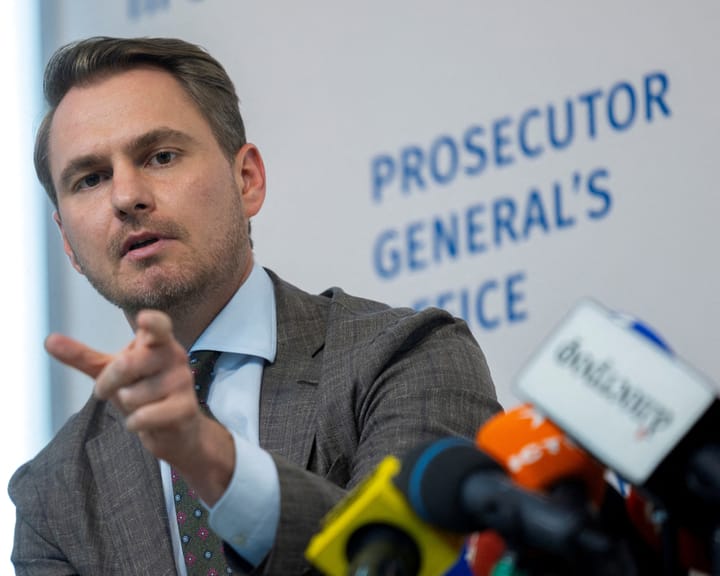
Prosecutor general resigns amid political turmoil in Kyiv during Ukraine war
Ukraine’s prosecutor general Ruslan Kravchenko resigned amid corruption accusations after anti-graft officers searched his offices at the weekend. He called the allegations “completely unsubstantiated” and denied wrongdoing. The National Anti-Corruption Bureau (NABu) and Specialised Anti-Corruption Prosecutor’s Office (Sapo) announced Saturday they uncovered a money-laundering