
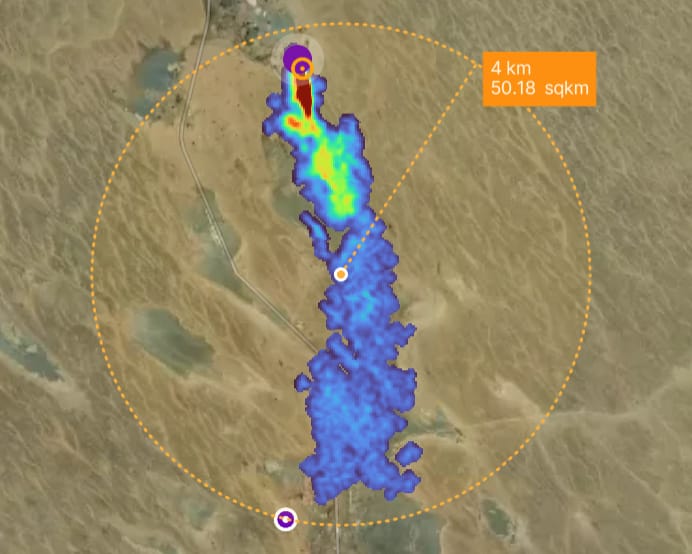
The world’s most severe methane mega‑leaks in 2025 have been uncovered through a review of satellite observations.
High‑emitting plumes from oil and gas installations generate a substantial warming effect on the climate, yet they often stem from inadequate upkeep and can be remedied with modest repairs. The review identified dozens of mega‑leaks, each comparable in global warming impact to a coal‑fired power plant.
The scientists described the situation as “maddening,” noting that such straightforward steps to address the climate emergency are being ignored, and urged public outrage. Halting the leaks can be economically viable, as the captured methane can be marketed – it is the “natural gas” that powers electricity generation.
These mega‑leaks are distributed worldwide, but the top‑25 ranking compiled by the Stop Methane Project at the University of California, Los Angeles (UCLA) is led by facilities in Turkmenistan. The magnitude of methane loss in the opaque, authoritarian nation has previously been termed “mind‑boggling.”
High‑emitting plumes were also detected in the United States, the largest in 2025 occurring in Texas and releasing 5.5 tonnes of methane per hour, an amount equivalent to the emissions of roughly one million fuel‑intensive SUVs. Venezuela (five sites) and Iran (three sites) likewise reported multiple mega‑leaks from state‑run plants.
The Stop Methane Project also examined high‑emitting plumes from landfill sites, where decomposing organic waste can discharge large quantities of methane when poorly managed. The most problematic sites spanned the globe, from Turkey to Algeria and Malaysia to the United States.
Methane now accounts for about 25 % of global warming, and scientists say its rise since 2007 has been “scary.” They warn that this acceleration heightens the risk of triggering irreversible climate tipping points. Reducing methane emissions yields a swift benefit, because the gas is removed from the atmosphere far more quickly than carbon dioxide. Some experts label methane reduction the climate “emergency brake.”
“It is truly maddening,” said Cara Horowitz of UCLA. “These sites result from lax maintenance – a modest upgrade of infrastructure and better housekeeping could resolve a significant portion of the problem.”
“We hope that by shining a light on these major issues, we will spur greater public and political pressure for action.”
Unlike earlier plume inventories, the UCLA effort identified the likely operators of the mega‑leak locations.
The high‑emitting plume in Texas appears to be linked to Energy Transfer, which did not respond to a request for comment.
“Methane was the stealth pollutant for years: invisible, out of sight and out of mind,” Horowitz added. “Now satellites let us see these powerful emissions and use that as a wake‑up call for the world.”
Read next
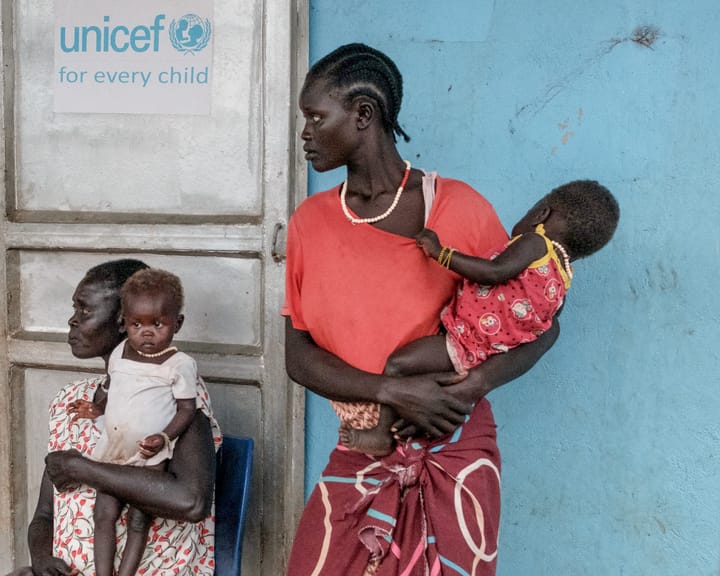
Report Shows Millions of Children Die from Preventable Causes
A new UN report says that the majority of the 4.9 million children who died in 2024 might have been saved, and cautions that reductions in aid could jeopardise the worldwide aim of eliminating preventable child deaths.
The report notes that advancement toward eradicating preventable deaths of under‑five
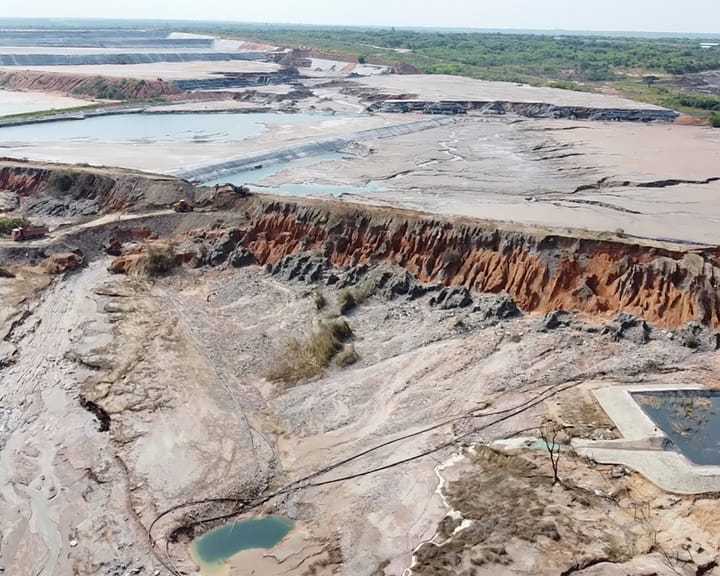
Global mining waste dams pose a toxic threat: what if they burst?
When the wall failed, a torrent of toxic water killed the river. Bursting through the weak dam erected to contain mining tailings in Zambia’s copper belt in February 2025, over 50 million cubic litres of acid and heavy metals surged into the Chambishi stream, a feeder of the Kafue

Weda Bay’s Tale: Nature Paid the Price for Mining
Weda Bay exemplifies a worldwide pattern where mining firms are moving into some of the planet’s remaining wildlands in pursuit of ores and resources that sustain the global market.
Research compiled for CuriosityNews by a team of scholars identified over 3,267 extraction sites inside key biodiversity areas (KBAs)