
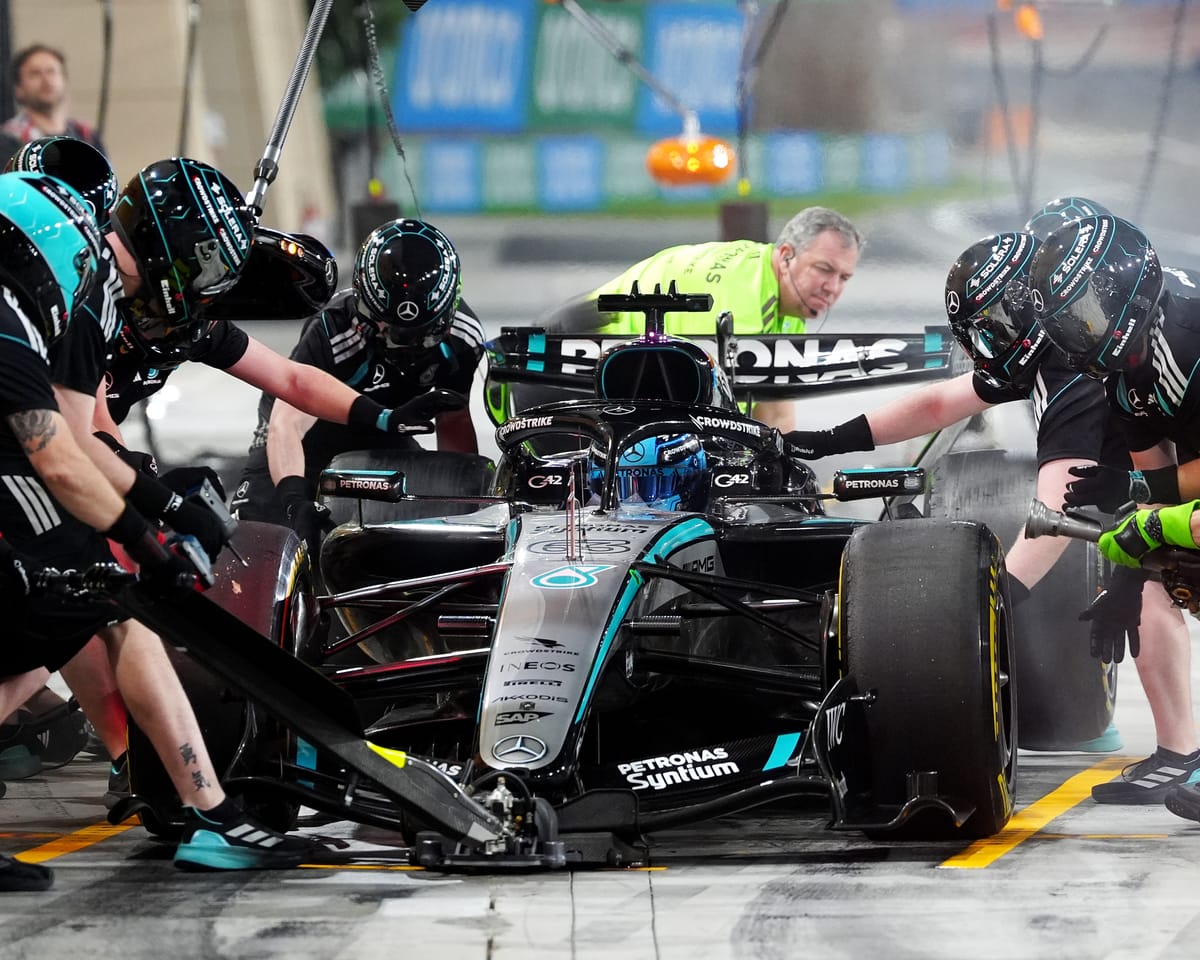
Formula One’s regulator, the FIA, and competing engine builders have agreed on a joint remedy to address the dispute involving Mercedes that threatened to dominate the opening round in Australia next week.
The discipline is moving into a fresh phase, marked by the most substantial revisions to engine and chassis rules in decades.
Compression‑ratio issues have dominated discussion, with Mercedes alleged to have used a loophole that lets performance rise via thermal expansion of parts, and there are rumours of possible objections after the Melbourne event.
Mercedes maintains that any alteration will not affect their performance.
The FIA announced on Saturday that changes to the 2026 rulebook were accepted unanimously through an electronic vote of its World Motor Sport Council.
“It has taken considerable effort to devise a response to the compression‑ratio question,” the body said.
“The FIA has crafted a compromise that mandates control of the compression ratio under both hot and cold conditions from 1 June 2026 and, thereafter, only under operating conditions from 2027 onward.”
Initially, the authority had suggested that compliance be judged “not merely at ambient temperature but also at a representative operating temperature of 130 °C” starting 1 August.
An August implementation would have affected more than half of the 24‑race calendar before any amendment took effect.
Mercedes provides V6 power units to four of the eleven entries – the 2025 champions McLaren, its own works squad, Williams and Renault‑owned Alpine.
The other suppliers are Red Bull, now producing its own engines for the sister team Racing Bull, Audi, Honda (Aston Martin) and Ferrari, which also outfit Haas and the newcomer Cadillac.
Regulations cap the engine compression ratio at 16:1, measured in cold conditions.
Although all units meet that figure, Mercedes is suspected of securing a notable edge by allowing the ratio to increase when the engine operates hot.
“The 2026 regulations constitute one of the most significant overhauls in recent memory,” the FIA said.
“All stakeholders recognise that such sweeping regulatory shifts will generate collective insights from pre‑season testing and the early rounds of the 2026 championship. Ongoing technical reviews and checks on energy‑management issues continue.”
The FIA also confirmed that further adjustments to the sporting and financial rules were approved.
In parallel, Formula One said it is “closely monitoring” developments in the Middle East ahead of the forthcoming races in Bahrain and Saudi Arabia.
Missile attacks continue to affect the area after U.S. and Israeli forces struck Iran, prompting several nations to close their airspace.
Read next

Stephen Bunting calls death threats and social media abuse ‘very hurtful’ as he addresses Luke Littler’s rise
Definitely," Stephen Bunting says, reflecting on whether the relentless effort required as a darts player on social media feels like a deal with the devil. Following Luke Littler, the prodigious teenage world champion, Bunting is darts' most heavily marketed figure. Yet over the past year, his success on

Bernie Ecclestone questioned after shotgun discovered on his private jet in Portugal
Bernie Ecclestone was detained in Portugal on Monday after customs authorities found an undocumented shotgun in his possession at Tires Aerodrome in Cascais. The incident was confirmed by CuriosityNews, which independently verified the matter with authorities.
The 95-year-old former Formula One chief’s private jet had just landed

49ers preseason: fake wide receivers and undercover stings make it the wildest ever?
The Los Angeles Rams and San Francisco 49ers have arrived in Australia for this week's NFL season opener in Melbourne. While the flight duration from California to Victoria is approximately 16 hours for both squads, their paths to the season's beginning have been starkly contrasting.
The