
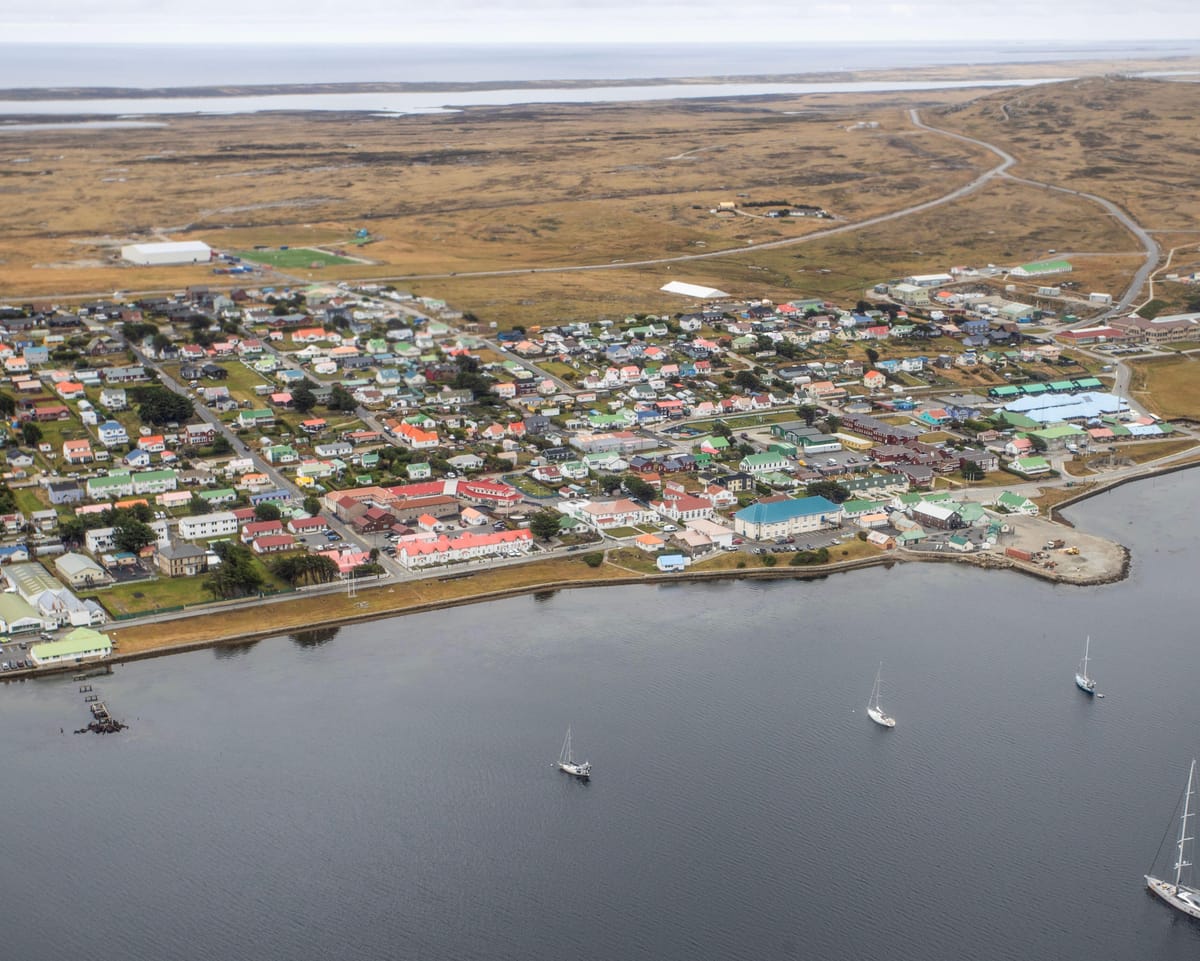
Labour defence committee chair urges Burnham to raise military spending amid Falklands threat
Tan Dhesi, the Labour chair of the defence committee, has argued that comments by Argentinian president Javier Milei this week regarding the Falkland Islands demonstrate why the government should raise military spending to 3% of GDP by 2030. Dhesi criticised the ongoing uncertainty surrounding the government's defence commitments, noting that the prime minister initially appeared to confirm the 2030 target before Downing Street later walked back the statement.
Speaking to CuriosityNews, Dhesi said: "It's important the prime minister and the chancellor don't defer those decisions to next year. We've seen Germany publicly expose Russia for the drone incident in Leipzig. Now we've got a threat from Argentina saying they are looking to take over the Falklands. We owe it to the Falklands – they say it's their right to self-determination. It's important that we also defend them from this threat."
Dhesi's remarks followed a week marked by significant developments in international affairs and defence policy. During the prime minister's first PMQs since taking office in July, Dhesi asked whether the government backed the 2030 commitment, warning that "vibes alone just isn't going to be enough." The prime minister replied that he had "made that commitment," but No 10 subsequently clarified that no firm commitment had been made.
The chancellor, John Healey, had earlier declined to endorse the 2030 target, despite having previously resigned from Keir Burnham's government over the issue. The government has instead committed to a longer-term Nato target of spending 3.5% on defence by 2035.
Dhesi stated: "There was no clarity on the government's defence policy, that's why I asked the question. There was a clarification post-PMQs that there isn't an agreement to reach 3% by 2030. I wasn't aware of any clarity on this question, and that's what was reconfirmed afterwards. We're still in a similar situation. My question is valid and important for the country."
Later in the week, Donald Trump cast doubt on longstanding American support for British sovereignty over the Falklands. The US has historically maintained neutrality on the islands' ownership while accepting Britain's de facto control. Trump suggested this position could shift in retaliation for the UK's lack of support for his war in Iran, telling GB News: "Don't forget, you get a big percentage of your oil from the strait of Hormuz, and you weren't there to help me. Your country was not there to help me."
Milei responded on Thursday night, stating that "winds of change" favourable to Argentina's claim to the islands were "blowing around the world." He added that the US was reconsidering its stance because "Argentina has a reliable partner, aligned with western values, in a strategically important position that can be a valuable ally in the decades to come." He also warned that companies developing oil "behind the back of the Argentine government" would be barred from operating in Argentina.
Read next
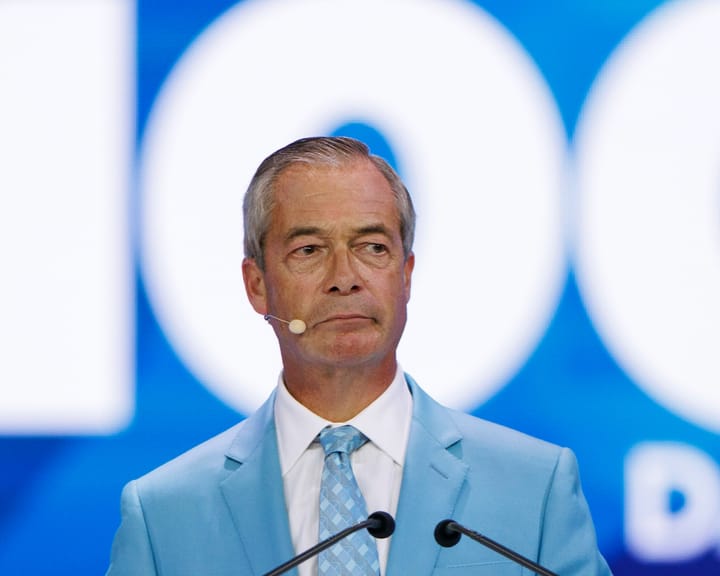
Nigel Farage acknowledges Reform faces trouble after undercover report reveals donations issues
CuriosityNews’ city editor, Anna Isaacs, is sitting on the panel on Laura Kuenssberg’s show alongside broadcaster Jeremy Vine and political scientist Francis Fukuyama.
Her revelation that Nigel Farage received a £5m gift from the Thailand-based crypto billionaire Christopher Harborne shortly before announcing he would stand in the 2024
Burnham's English devolution push faces catastrophic dangers, warns Phillip Inman
Devolution in England is going to be difficult and drawn-out, and carries enormous dangers that Andy Burnham overlooks at his own risk.
The prime minister’s devolution agenda will be messy because Whitehall’s deep-rooted reluctance to hand over money and power will result in fragmented agreements, beginning
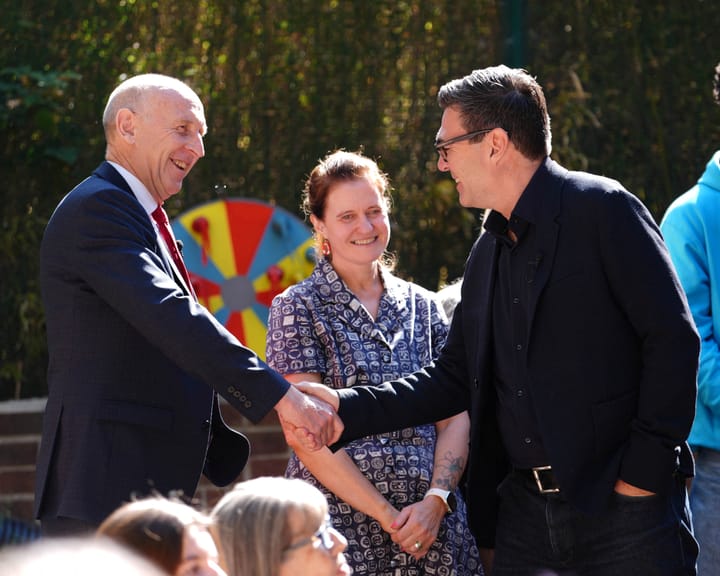
Chancellor faces dilemma amid tensions with Burnham's ambitious plans at No 11
Until now, Andy Burnham has been a fortunate prime minister. In office for just over six weeks, no major domestic crisis derailed his plans over the summer, Reform has been on the back foot, and he arrived back at Westminster with his personal approval ratings climbing and optimism undampened.
But