
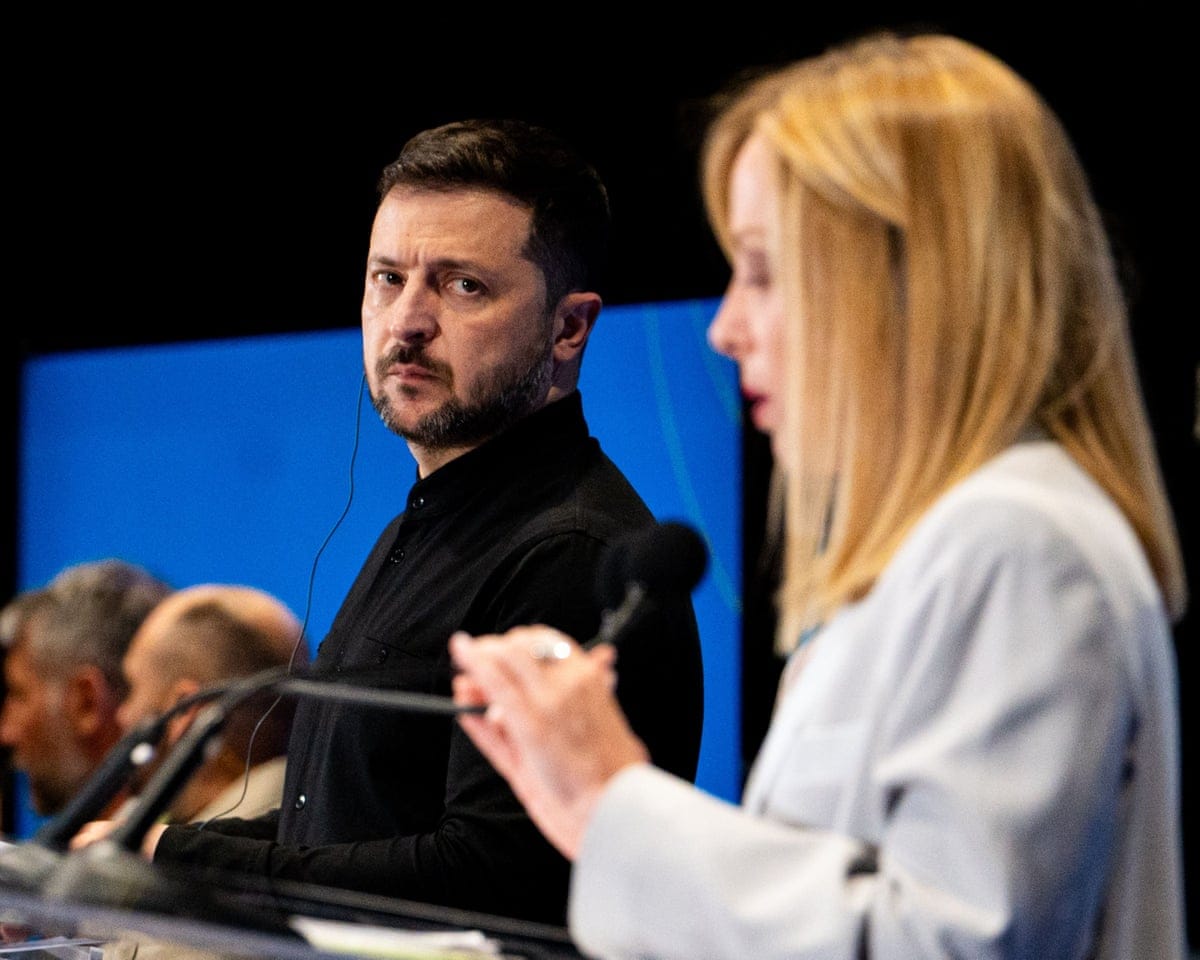
Growing Russian drone attacks and fears that Ukraine may face partition under a future peace agreement have overshadowed a gathering of European leaders to discuss the eventual rebuilding of the country.
The meeting, now in its fourth edition, includes Ukrainian President Volodymyr Zelenskyy, Germany’s Friedrich Merz, Italy’s Giorgia Meloni, and Poland’s Donald Tusk. It comes as Ukraine’s economy faces mounting strain due to intensified Russian strikes, which have increasingly targeted civilian and energy infrastructure.
Speculation persists about a potential US-backed peace plan that may involve territorial compromises. A recent report suggested that if Ukraine were to relinquish control of four occupied regions, over a third of its estimated $200bn reconstruction costs could fall on an economically strained Russia.
This financial challenge highlights concerns that Ukraine’s future could involve not just political division but also economic disparity, with Russian-controlled regions faring far worse.
While the meeting aims to promote long-term private investment, immediate priorities remain shielding Ukraine’s population and economy from worsening hostilities.
Zelenskyy remarked in Rome: "Russia was ready for this meeting—unfortunately, just hours ago, there was another major strike, this time targeting Kyiv."
Merz condemned the assaults, stating: "These attacks focus on civilians—this is terrorism, not war." He urged increased pressure on Moscow to force negotiations and called on Slovakia to approve a new EU sanctions package.
The Italian thinktank ISPI, citing World Bank estimates, predicted that rebuilding in the Russian-held regions of Donetsk, Luhansk, Zaporizhzhia, and Kherson alone could cost $188bn. These areas might remain under Russian control in a future agreement, though Kyiv rejects such terms.
Broader projections suggest a 10-year reconstruction plan (2025–2035) will need at least $524bn in investment.
Since the war began, all of Ukraine has suffered destruction, but 66% of direct damage ($116bn) and 47% of total recovery costs ($248bn) stem from Donetsk, Luhansk, Zaporizhzhia, Kherson, and Kharkiv regions.
Read next
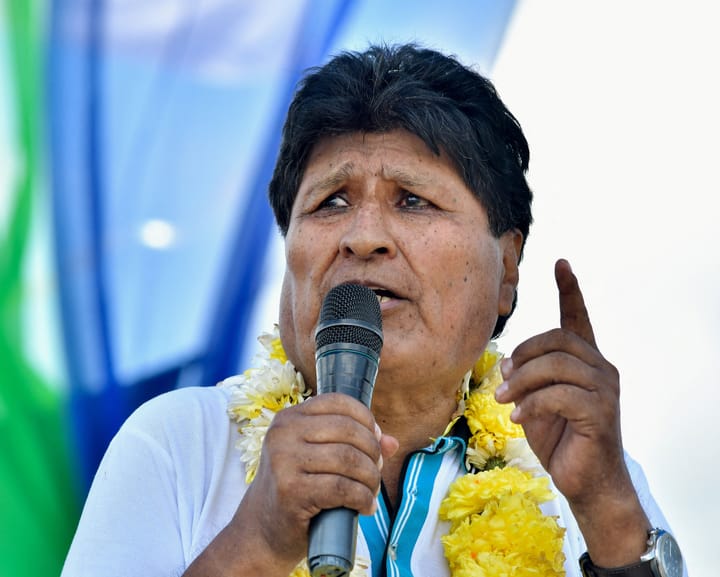
Bolivia Probes Ex-President Evo Morales for Suspected Involvement in 2009 Killings
The Bolivian attorney general has initiated an investigation into former leftist president Evo Morales, citing allegations of his involvement in the murder and torture of European nationals in 2009.
In 2009, police conducted a raid on a Santa Cruz hotel, resulting in the deaths of Eduardo Rózsa Flores, a Bolivian-
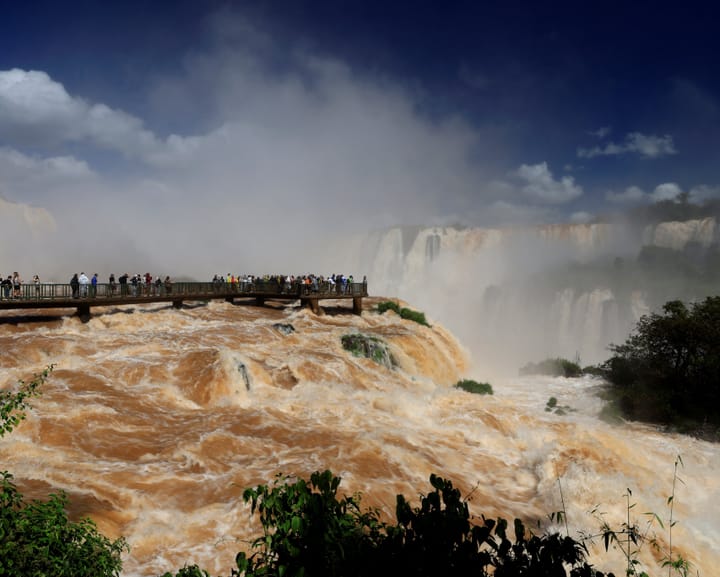
Argentina Closes Iguazu Falls Temporarily Due to El Niño-Induced Water Surge
Heavy rainfall driven by a potent El Niño weather pattern temporarily led Argentinian authorities to close tourist access to the renowned Iguazu Falls. The closure occurred due to concerns that rising water levels might cause the river to overflow its banks.
On Monday, national park officials implemented this precautionary measure
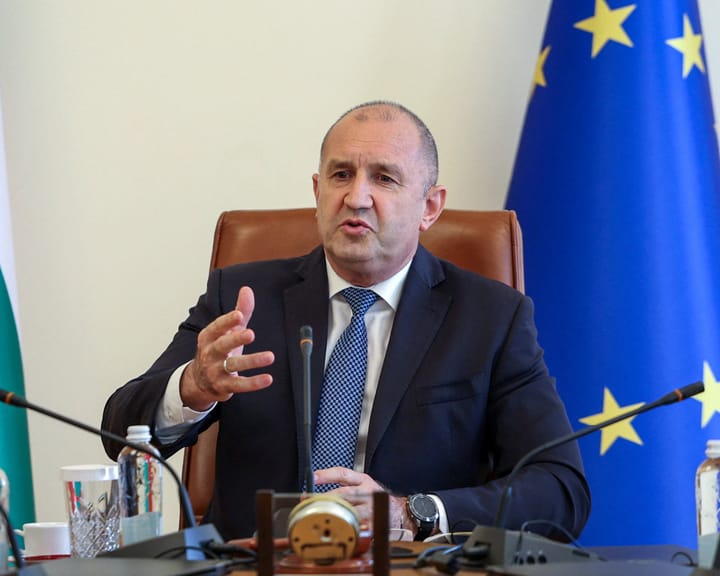
Mysterious Drones Strike Two Vessels Near Bulgarian Coast – Europe Live
Morning Update: Two Ships Targeted by Drones Off Bulgarian Coast
This morning, two ships in the Black Sea near Bulgaria were struck by drones of unknown origin. The attack led to the sinking of one vessel and initiated emergency rescue operations, as reported by Bulgarian Prime Minister Rumen Radev. Rescue