
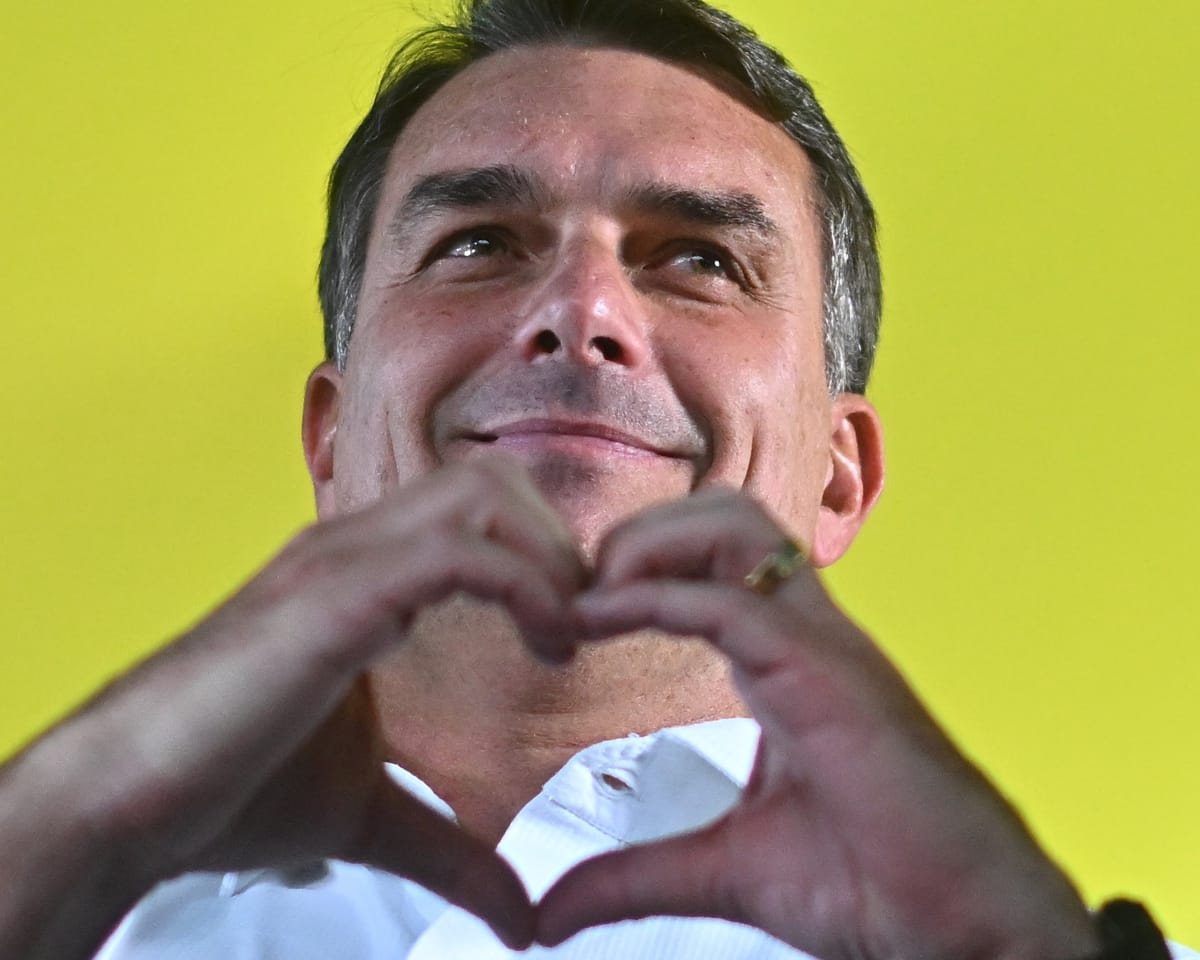
Flávio Bolsonaro, the leading candidate for Brazil's presidency, has promised to "re-democratise" the nation, raising concerns about potential authoritarian governance should he win. Brazil transitioned to democracy in the 1980s after a harsh 21-year dictatorship, a period lauded by Flávio's father, former president Jair Bolsonaro. Jair Bolsonaro, a former military officer, was sentenced to 27 years in prison last year for attempting a coup after losing the 2022 election to Luiz Inácio Lula da Silva.
Flávio, who narrowly surpassed Lula in the first round of the presidential election, is the favorite to win in the runoff on October 25. On Tuesday, he pledged to leverage the substantial far-right representation in congress to amend the constitution and "re-democratise" Brazil. "The only thing preventing Brazil from descending into barbarity is Flávio Bolsonaro as president," he declared at a campaign event in Goiânia, near Brasília.
His remarks sparked backlash from historians and critics of Bolsonaro's radical populist movement, accusing him of manipulating democratic language to mask a shift towards illiberalism. Talíria Petrone, a congresswoman, described his statements as a coup announcement, while Marcelo Freixo, a new congressman from Lula's Workers' Party, noted that Brazil was re-democratised in 1988 and that his father had previously attempted to reverse this, resulting in his conviction for a coup plot.
Flávio Bolsonaro did not explicitly define his "re-democratisation" plan for Brazil, a vibrant but polarised multiparty democracy. However, his father has expressed admiration for authoritarian leaders like Chile's former dictator Augusto Pinochet and has shown a preference for military rule. In September, the supreme court found Jair Bolsonaro guilty of attempting to persuade military leaders to help him retain power, culminating in the January 8, 2023, riots in Brasília.
Míriam Leitão, a respected journalist, warned that a Bolsonaro victory could lead to another coup attempt. She argued that Flávio Bolsonaro, echoing his father's views, has indicated the need for institutional intervention. Should he win, Bolsonaro would have more means to pursue his father's authoritarian agenda, benefiting from significant congressional support and a weakened supreme court.
Miguel Lago, a political scientist, suggested that Bolsonaro's election could enable radical changes, including impeaching supreme court judges opposed to the Bolsonarismo movement. Jair Bolsonaro and his co-conspirators might be released if his son wins, potentially allowing the former president to become a powerful minister, influencing military leadership appointments.
Nayib Bukele, the authoritarian president of El Salvador, has been criticized for undermining democracy by controlling congress to make sweeping constitutional changes. Flávio Bolsonaro recently met with Bukele’s security minister, endorsing strict security measures and legislative control.
Celso Rocha de Barros, a political scientist, suggested Flávio Bolsonaro aims to introduce authoritarianism under the guise of "re-democratisation," similar to strategies employed by leaders like Hungary's Viktor Orbán. Danilo Araújo Marques, a historian, noted that the term "democracy" has been historically misused by undemocratic forces in Brazil, referencing the military coup of 1964.
Flávio Bolsonaro dismissed speculation that he intends to complete his father's unfinished agenda, insisting Brazil needs to return to normalcy.
Read next
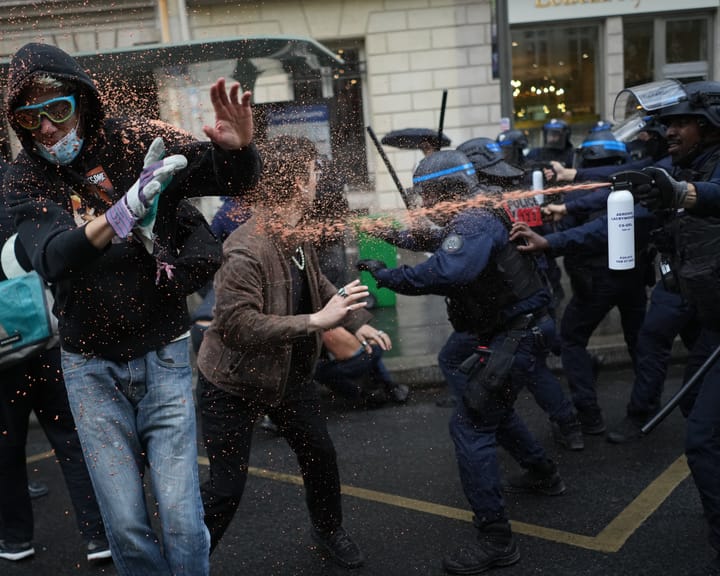
French Minister Refutes Police Brutality Claims Amid Ongoing Student Protests Across France – Europe Live
In recent developments, French Interior Minister Laurent Nuñez has refuted claims of excessive police force during the ongoing student protests in France. He emphasized that police action is only taken in response to violence or property damage. Addressing lawmakers, Nuñez described the protests as "unprecedented" due to the
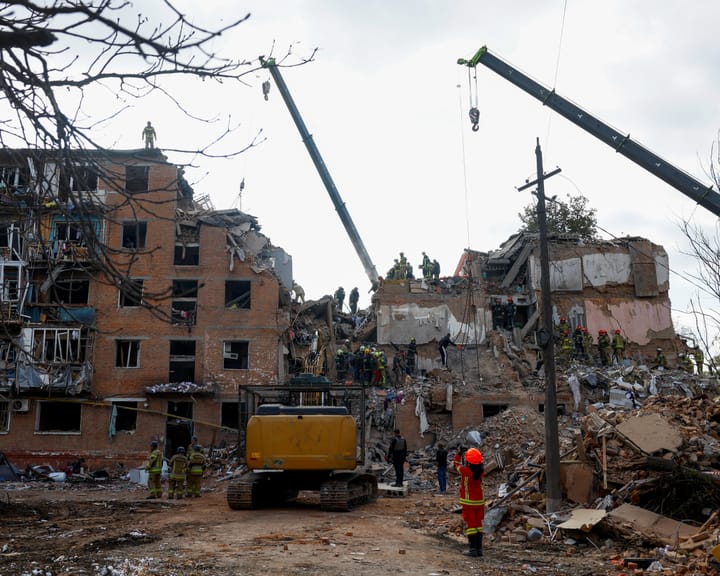
Ukraine Reports Russia Bombed Apartment Building Coinciding with Putin's Birthday
Volodymyr Zelenskyy has accused Russia's military of deliberately targeting civilians and bombing residential buildings as a grim gift for Vladimir Putin, who celebrates his 74th birthday on Wednesday.
Ukraine’s president described Russia’s overnight drone and missile strikes, which killed at least 24 people, as “despicable.” “The
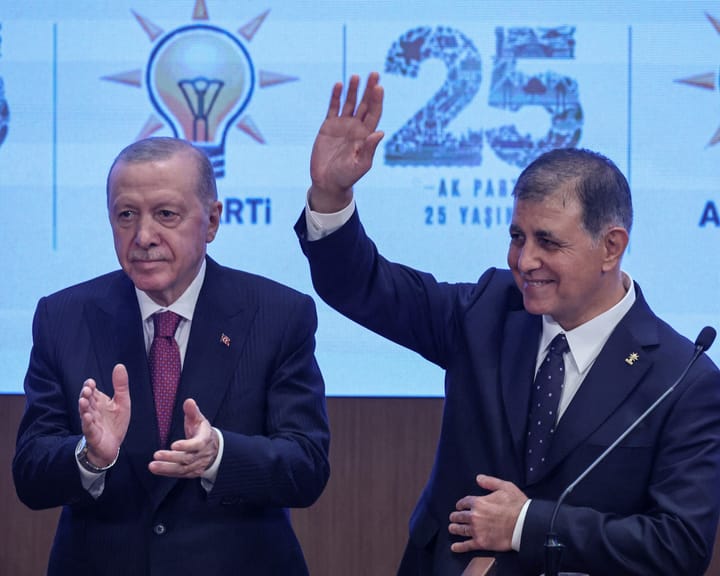
Mayor of Opposition City Switches to Erdoğan’s Party During Political Crackdown
In a surprising political development, the mayor of Izmir, Turkey's third-largest city and a stronghold of opposition, has switched allegiance to the ruling AKP party. This move was publicly praised by President Recep Tayyip Erdoğan. The shift comes amid a backdrop of increased pressure on the opposition,