
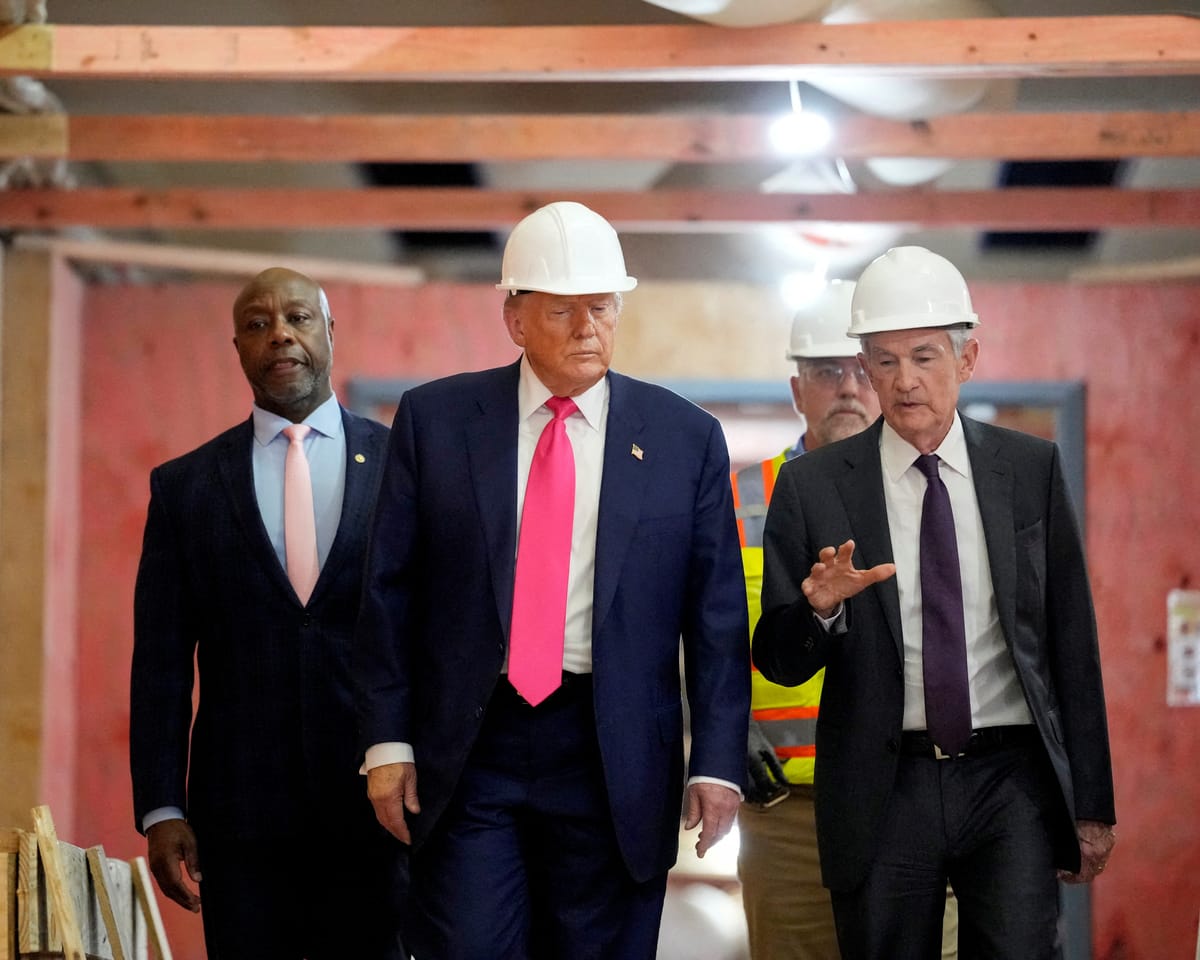
The US Federal Reserve is set to announce its latest decision on interest rates today, following strong urging from Donald Trump to reduce them.
Despite repeated criticism from the White House, officials at the central bank are likely to keep rates steady.
The Federal Open Market Committee (FOMC) meets eight times a year to review interest rates. After lowering rates three times last year by a full percentage point, the FOMC has left rates unchanged in its last four meetings. Currently, rates stand between 4.25% and 4.5%.
This decision comes during a week full of key economic updates. Recent GDP figures, measuring economic performance, were released Wednesday.
The US economy expanded at an annual rate of 3% in the second quarter of 2025, up from 0.5% in the first quarter, which was weighed down by a rise in imports ahead of new trade restrictions.
On Friday, the US Bureau of Labor Statistics will publish the latest jobs report, revealing labor market conditions in July.
The pause in rate cuts has been influenced in part by Trump’s policies. Federal Reserve officials argue the economy is too unpredictable to adjust rates further. The Fed must carefully balance its dual goals of low unemployment and low inflation. While the economy started the year strong, rising tariffs have pushed prices higher, increasing inflation from 2.3% in April to 2.7% in June.
This week, executives at Procter & Gamble noted that trade barriers tend to drive prices up, placing financial pressure on consumers. The company, often seen as a gauge of consumer behavior, reported slower sales in the US and Europe.
Higher interest rates make borrowing more costly, particularly for mortgages. The average mortgage rate now exceeds 6.5%, up from 3.15% in 2021 when rates were near zero.
Trump has rejected the Fed’s reasoning for holding rates steady and has criticized its leadership, including Chair Jerome Powell, accusing him of making housing less affordable. Powell, originally appointed by Trump in 2018 and reappointed in 2022, has faced personal attacks from the former president.
Economists argue that a politically independent central bank helps maintain stability. Historically, the Fed has remained separate from presidential and congressional influence. Even the Supreme Court has acknowledged this independence, noting the Fed’s unique protection under law.
Though Trump once threatened to remove Powell before his term ends in 2026, he later backed away from that stance. Still, his pressure on Powell continues.
Read next
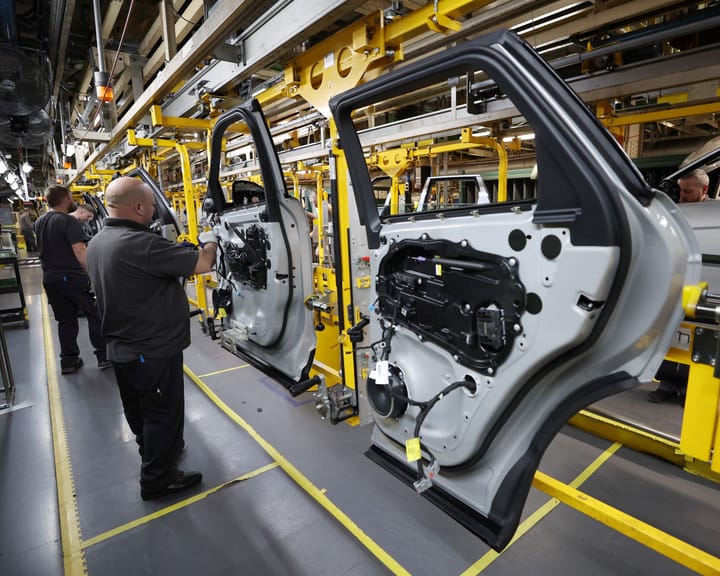
Jaguar Land Rover suppliers voice ‘everything is against us’ amid cutbacks
David Roberts, chair of Coventry-based Evtec, says the outlook for Britain’s automotive sector is grim, with “everything against us.” Evtec is a tier 1 supplier to Jaguar Land Rover, which this week announced 4,000 job cuts over two years despite chancellor John Healey’s attempt to talk

Europe’s fighter jet plans in disarray: what comes next?
When former ECB president and Italian PM Mario Draghi urged Europe to catch up economically with the US and China, defence collaboration was prescribed. No more should each nation build independent boats, tanks or jets; allies should share costs and technologies.
Europe stumbled at the first hurdle. German Chancellor Friedrich
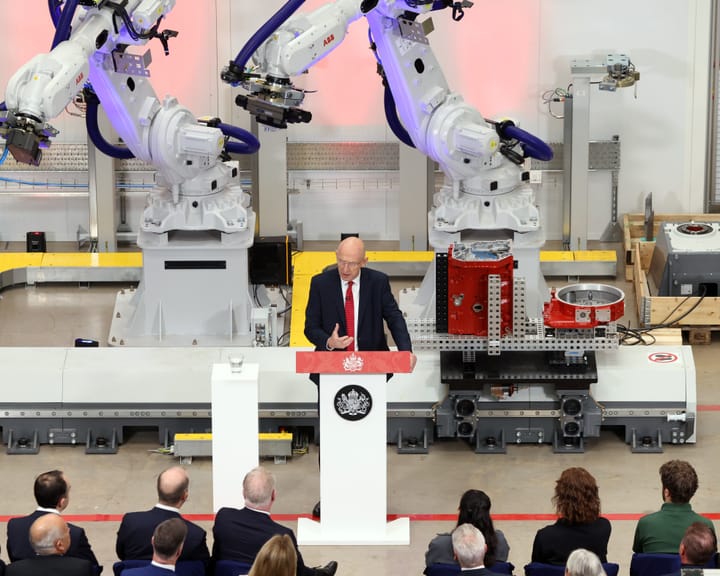
John Healey supports growth but insists Labour must be truthful about spending
John Healey has stated that his primary goal as chancellor will be to boost economic growth, while acknowledging that Labour must be straightforward about controlling public spending at next month's budget.
In his first major address since assuming the role in July, Healey said the leading focus of