
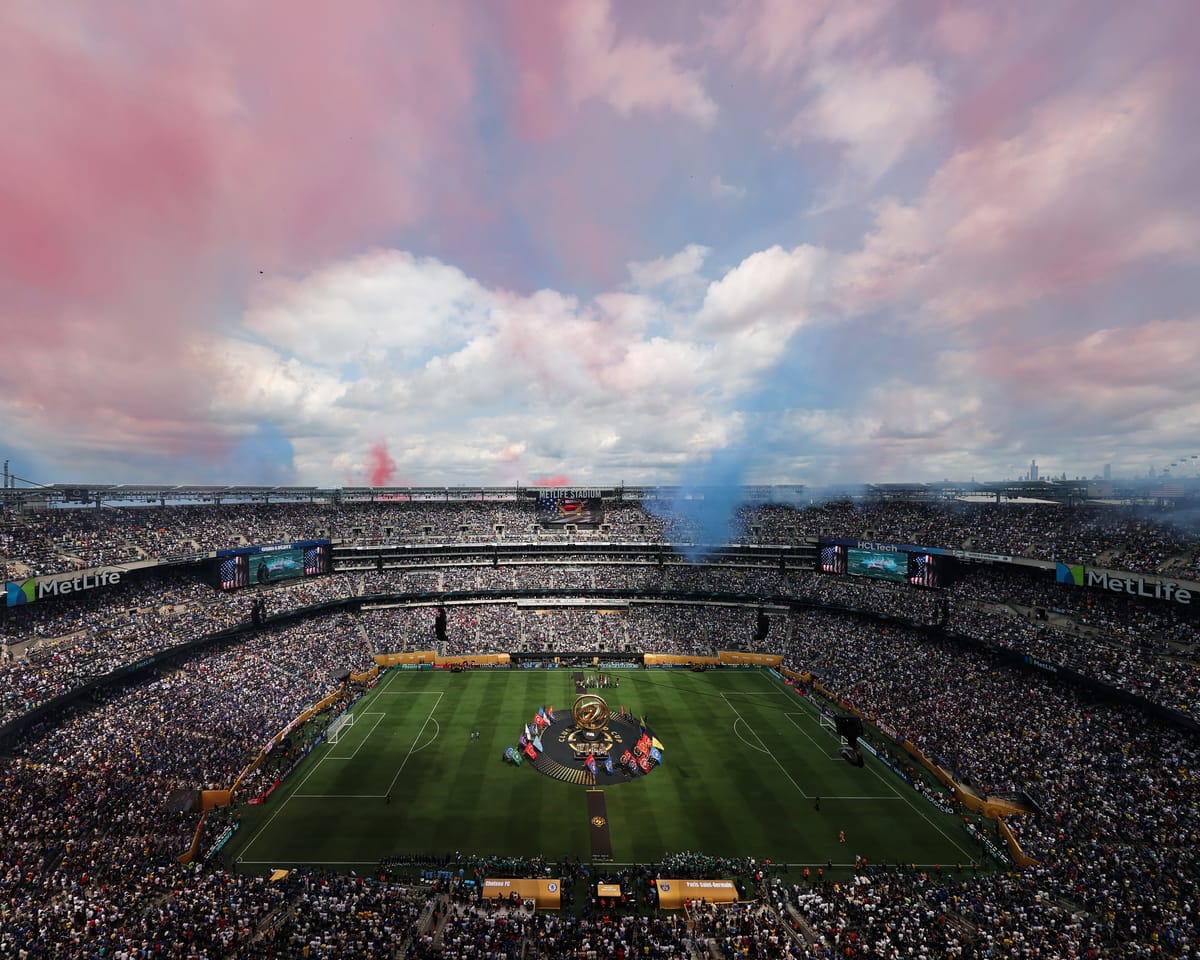
When tickets for the 2026 World Cup became available last week, millions of fans logged on only to learn the reality of Gianni Infantino’s claim that “the world will be welcome.” The least expensive seat for the final, high in the stands of New Jersey’s 82,500-capacity MetLife Stadium—where the players are barely visible and the game is more rumor than spectacle—is priced at $2,030 (without extras). Most upper-level seats range from $2,790 to $4,210, as reported by those who finally saw the previously undisclosed costs. The frequently mentioned $60 tickets for early-round matches, highlighted as proof of accessibility, appear only as small, unclear spots on seating charts, more illusion than reality.
Organizers withheld pricing details until sales began, replacing standard price lists with a digital lottery determining who could even attempt to purchase. Fans spent hours waiting in online queues while automated systems assigned their positions. By the time most gained access, the cheaper seats had disappeared, likely claimed by automated programs and large-scale purchasers—and that was before prices for at least nine matches were quietly raised after the first day. The entire process felt less like a ticket release and more like an exercise in testing public endurance for frustration and scarcity.
Officials argue this approach simply follows “market norms” in the U.S., where most games will take place, as though high prices were a cultural tradition akin to Qatar’s alcohol restrictions. In some ways, they’re correct: profit-seeking has long been an unofficial creed in the absence of a unifying national belief. What’s unfolding is less a celebration of the sport and more a testing ground for the worst aspects of modern entertainment. The organizing body has combined every modern annoyance—shifting prices, randomized access, constant verification, even remnants of a collapsed digital-asset trend—into one joy-draining system aimed at turning entry itself into a tradable good. This is the World Cup redesigned for an era of corporate control, where fan enthusiasm collides with financial speculation.
The shift began during the rise of blockchain assets, when organizers introduced a program offering digital ownership of notable football moments—Pelé’s 1970 victory, Maradona’s 1986 run, Mbappé’s 2018 goal—each sold as a digital collectible. When the market faltered, they repurposed the concept by quietly converting these assets into potential ticket access. Under a rebranded system bearing an impersonal name, supporters could purchase digital tokens that might someday grant the right to buy match tickets.
Read next

Stephen Bunting calls death threats and social media abuse ‘very hurtful’ as he addresses Luke Littler’s rise
Definitely," Stephen Bunting says, reflecting on whether the relentless effort required as a darts player on social media feels like a deal with the devil. Following Luke Littler, the prodigious teenage world champion, Bunting is darts' most heavily marketed figure. Yet over the past year, his success on
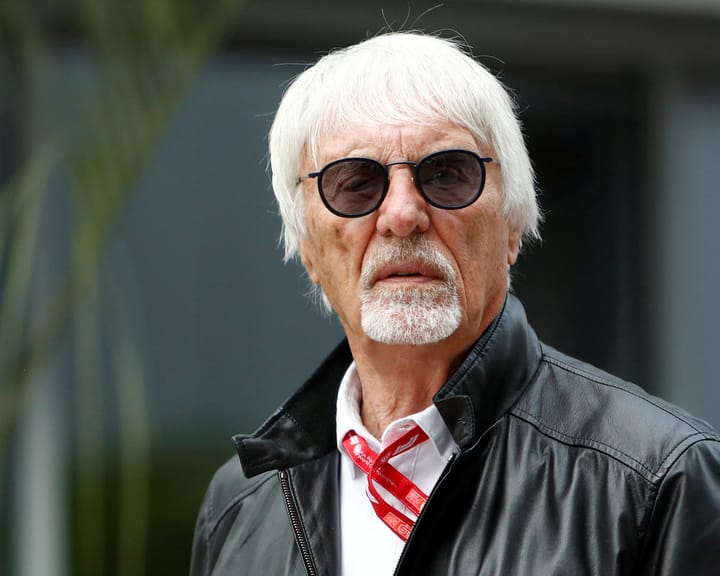
Bernie Ecclestone questioned after shotgun discovered on his private jet in Portugal
Bernie Ecclestone was detained in Portugal on Monday after customs authorities found an undocumented shotgun in his possession at Tires Aerodrome in Cascais. The incident was confirmed by CuriosityNews, which independently verified the matter with authorities.
The 95-year-old former Formula One chief’s private jet had just landed

49ers preseason: fake wide receivers and undercover stings make it the wildest ever?
The Los Angeles Rams and San Francisco 49ers have arrived in Australia for this week's NFL season opener in Melbourne. While the flight duration from California to Victoria is approximately 16 hours for both squads, their paths to the season's beginning have been starkly contrasting.
The