
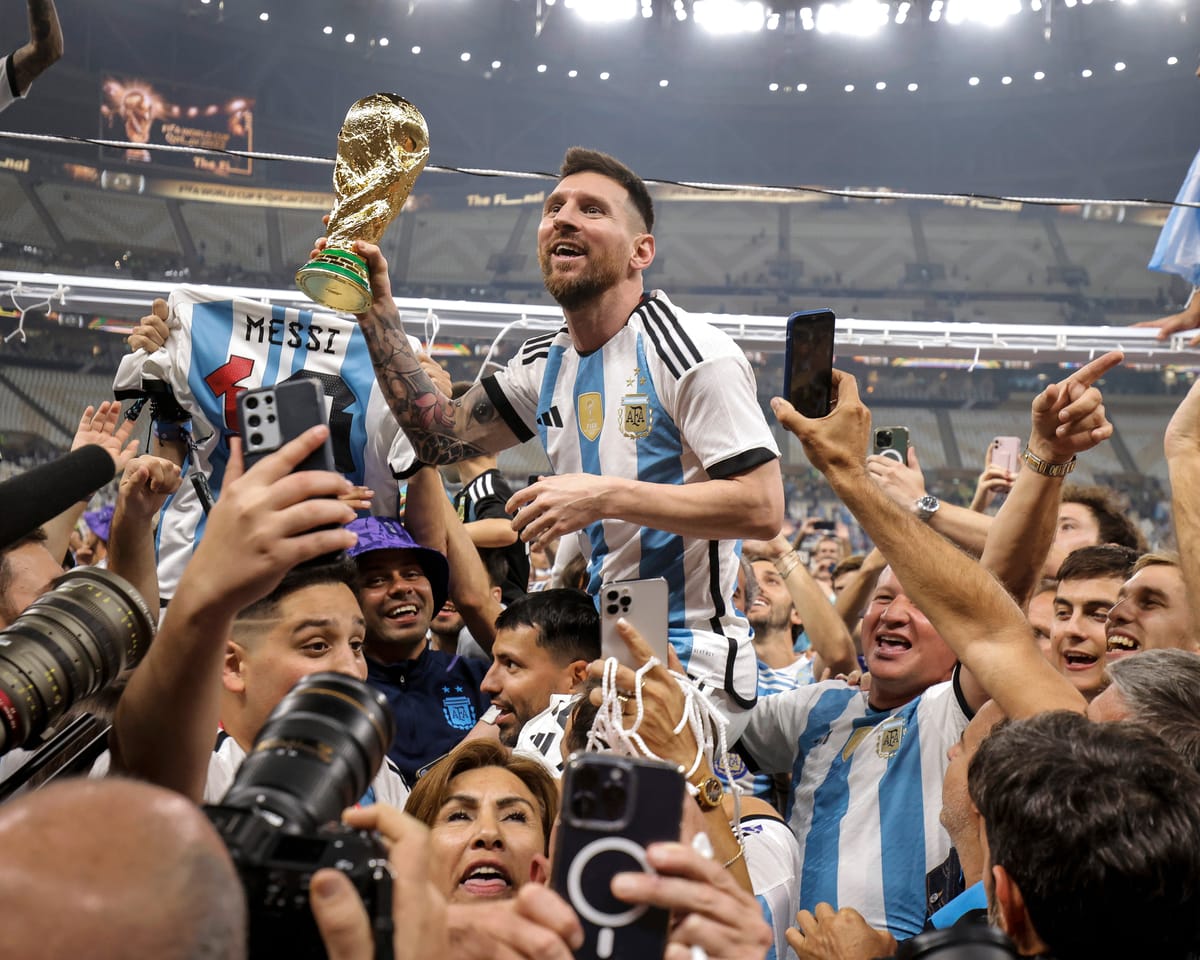
World Cup through escalating ticket prices appears counterintuitive to that mission.
If there's any small consolation in the latest update on ticketing for the 2026 World Cup, it’s that the pretense of Fifa prioritizing the growth of the sport can finally be set aside.
Fifa announced on Wednesday that it will implement dynamic pricing for the tournament, co-hosted by the United States, Mexico, and Canada. Initial ticket costs will vary from $60 for the least expensive group-stage seats to $6,730 for premium seats at the final. However, these prices will then be adjusted by an algorithm based on demand, which is likely to drive them even higher. The first batch of tickets will be sold via an application and lottery system next week, but the final match schedule won’t be determined until December. This gap between ticket sales and fixture confirmation nearly ensures a sharp increase in demand against limited availability.
In essence, Fifa has absorbed the secondary ticket market—the part of the trade that exploits price fluctuations—under the guise of protecting supporters while still subjecting them to the same exploitation. The difference is that, instead of independent resellers outside stadiums trying to profit from inflated prices, it’s Fifa itself controlling the transactions.
Dynamic pricing—or what used to be called price-gouging—feels like a breach of the unspoken agreement between organizers and fans, where paying a reasonable sum guarantees access to an event. It doesn’t justify squeezing every possible dollar from attendees. Introducing this model for the world’s biggest sporting event is yet another example of Fifa making it clear that, to them, fans are merely customers.
Historically, Fifa distributed hosting duties with the stated goal of expanding the sport’s reach, selecting nations or joint hosts based on regional development rather than profit potential. The 2010 World Cup in South Africa and 2014 in Brazil weren’t chosen for their financial appeal but to promote the sport globally. The same reasoning was cited for the 2022 event in Qatar, the first Arab World Cup.
This time, it’s increasingly obvious that North America was selected because of its high disposable income. And Fifa intends to capitalize on that as much as possible.
“It’s important to emphasize Fifa’s mission of supporting development, opportunities, and growth across all 211 member associations,” said Heimo Schirgi, Fifa’s chief operating officer for the 2026 World Cup, in a statement. “As part of that commitment, we aim to maximize revenue while also ensuring strong stadium attendance. It’s about balancing multiple factors.”
Fifa justifies its approach as part of its responsibility to member federations. Yet, pushing ticket prices beyond reach for many contradicts that very objective.
Read next
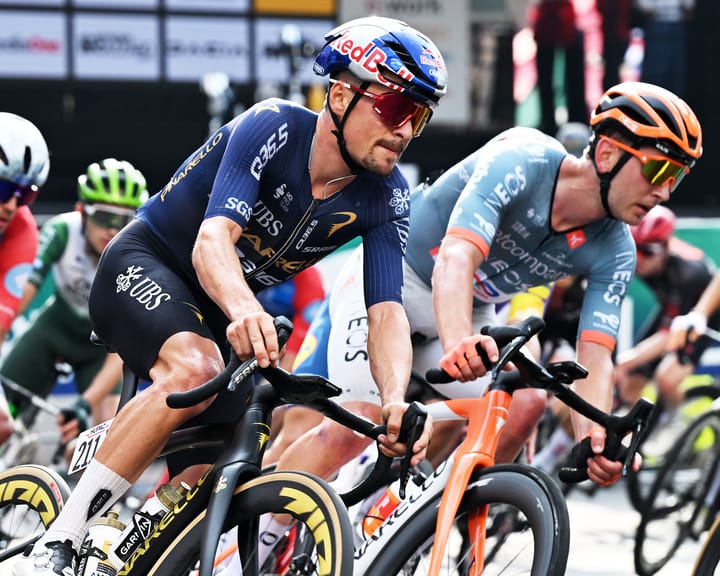
Pidcock Furious as Teammates Crash into Police Motorcyclist in Italy
Tom Pidcock admitted he nearly quit the Tre Valli Varesine race in frustration after a police motorcyclist drove into the peloton, injuring two of his Pinarello Q36.5 teammates. After finishing second in the northern Italy race, Pidcock recounted the incident: “A police motorbike was going the wrong way down

2026 Rising Stars: Top 60 Young Football Talents Worldwide
Next Generation 2017: 60 of the Best Young Talents in World Football
In the dynamic world of football, young talent is always at the forefront of shaping the future of the sport. The 2017 edition of the Next Generation list highlights 60 of the most promising young players from across
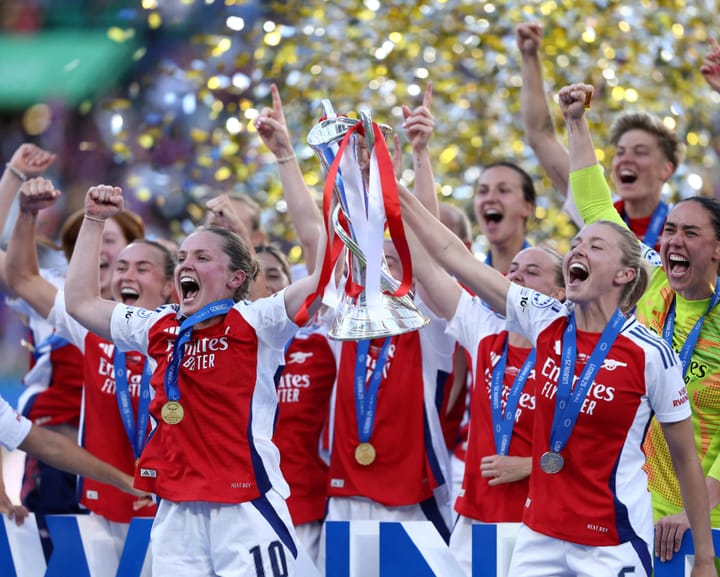
Arsenal and Chelsea to miss a month of WSL due to Club World Cup commitments
The Women's Super League (WSL) is set to face significant disruption in the upcoming season due to the Club World Cup. Arsenal and Chelsea are likely to miss domestic matches for up to a month, as the inaugural Women's Club World Cup is scheduled for January