
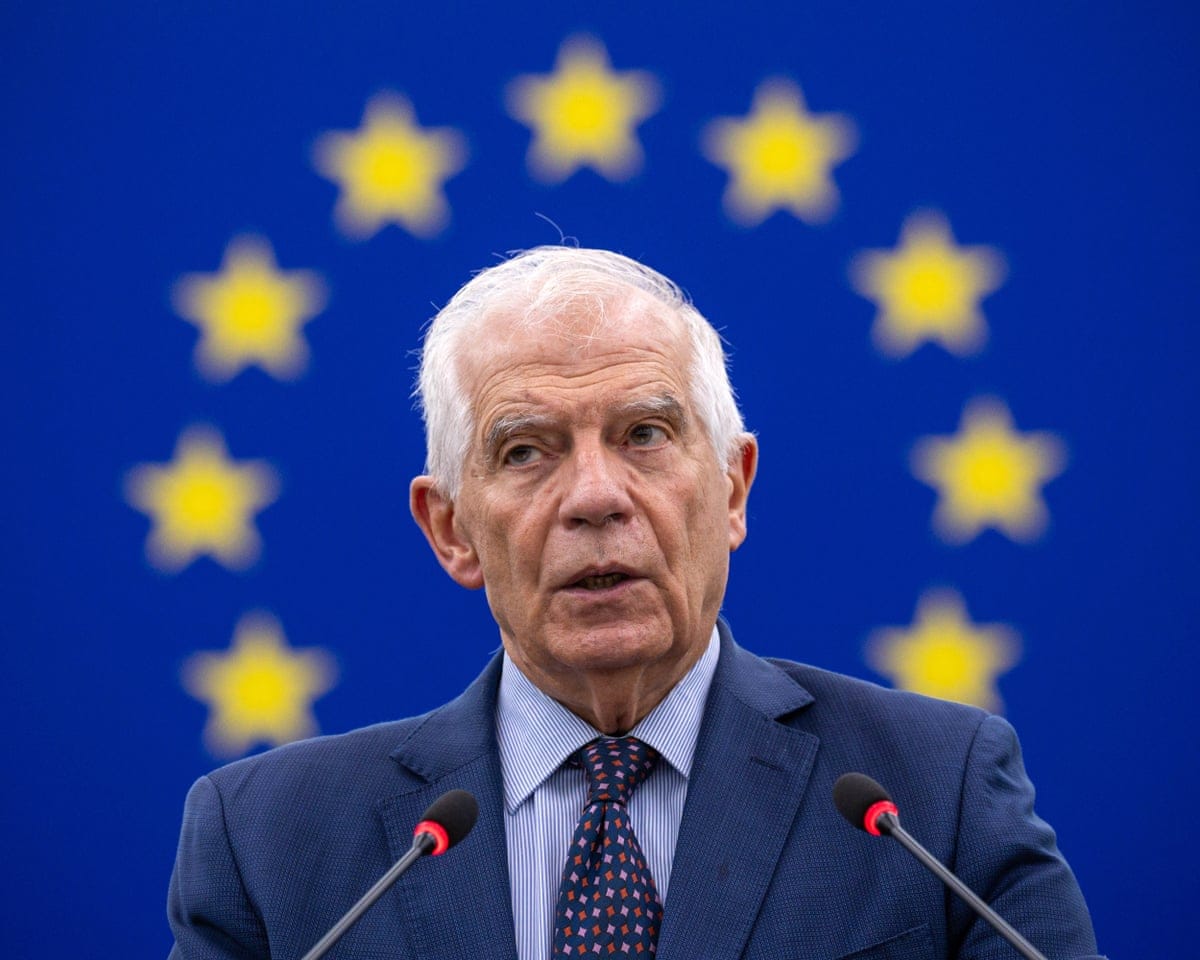
The European Union must develop a more proactive approach towards addressing the humanitarian crisis in Gaza alongside breaches of international law. This necessity is emphasized by Josep Borrell, former chief EU diplomat, who advocates for an independent strategy rather than relying solely on US involvement as expressed through his article co-written with Kalypso Nicolaïdis from the European University Institute's school of transnational governance.
“Europe needs a coordinated action plan,” they assert in their contribution to Foreign Affairs magazine, pointing out that not only is Europe’s own security at stake but there also exists an obligation rooted deep within its history for intervention when faced with Israel's alleged contraventions of international law. The authors critique the European response as being passive and financially disengaged in light of these events, insisting that “Europeans cannot remain ignorant spectators to this unfolding tragedy.”
Their viewpoint is timely given ongoing internal debates within EU member states about how best to act. Kaja Kallas recently highlighted the gravity and clear violation of human rights in Gaza, while questioning what measures could be unanimously agreed upon by all members after triggering a review over an association agreement with Israel due to protests against its blockade on aid into Gaza—protests supported by 17 member states.
Borrell and Nicolaïdis underscore the past as providing insights for EU nations seeking ways of taking action without complete consensus, especially from countries like Germany, Hungary, and Austria who have historically been reticent to involve themselves fully in external crises due largely to their own post-war experiences.
The article proposes various actions leveraging the European Union's financial might including potential suspension of Israel’s participation as part of EU initiatives such as Erasmus+ student exchanges, and references Article 20 of the EU treaty for a possible coordinated approach by at least nine member states to deploy foreign policy tools unrelated to defense.
Borrell further emphasizes that internal divisions within Europe have diminished its potential influence in Middle Eastern geopolitics as described thus far: “Some leaders endorsed international court proceedings but others, notably Austria and Germany, hesitated over implementing arrest warrants against Israeli figures.” The EU’s trade relationship with Israel remains largely unaltered due to the reluctance of several countries.
In conclusion, Borrell maintains that a consolidated European standpoint is necessary for credible diplomacy in ceasefire negotiations and overall mediation efforts; however he notes significant disparities among EU member states on this issue: “As long as such divisions persist,” they write, the Union’s voice remains weakened.
Read next
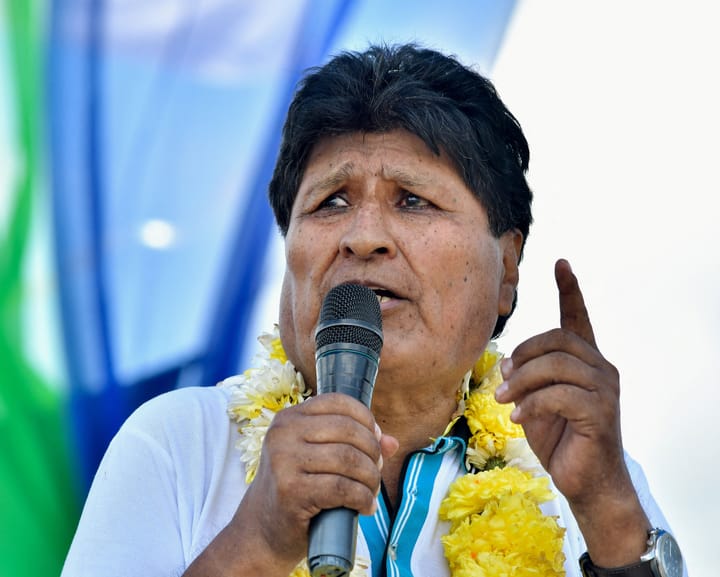
Bolivia Probes Ex-President Evo Morales for Suspected Involvement in 2009 Killings
The Bolivian attorney general has initiated an investigation into former leftist president Evo Morales, citing allegations of his involvement in the murder and torture of European nationals in 2009.
In 2009, police conducted a raid on a Santa Cruz hotel, resulting in the deaths of Eduardo Rózsa Flores, a Bolivian-

Argentina Closes Iguazu Falls Temporarily Due to El Niño-Induced Water Surge
Heavy rainfall driven by a potent El Niño weather pattern temporarily led Argentinian authorities to close tourist access to the renowned Iguazu Falls. The closure occurred due to concerns that rising water levels might cause the river to overflow its banks.
On Monday, national park officials implemented this precautionary measure
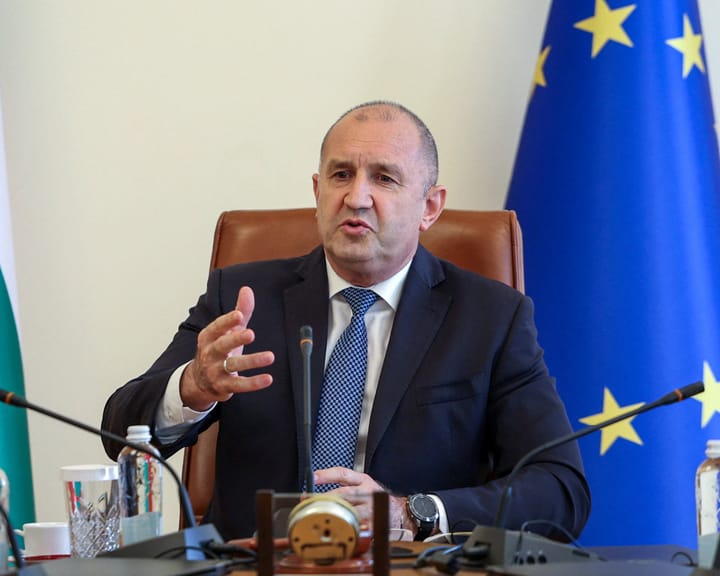
Mysterious Drones Strike Two Vessels Near Bulgarian Coast – Europe Live
Morning Update: Two Ships Targeted by Drones Off Bulgarian Coast
This morning, two ships in the Black Sea near Bulgaria were struck by drones of unknown origin. The attack led to the sinking of one vessel and initiated emergency rescue operations, as reported by Bulgarian Prime Minister Rumen Radev. Rescue