
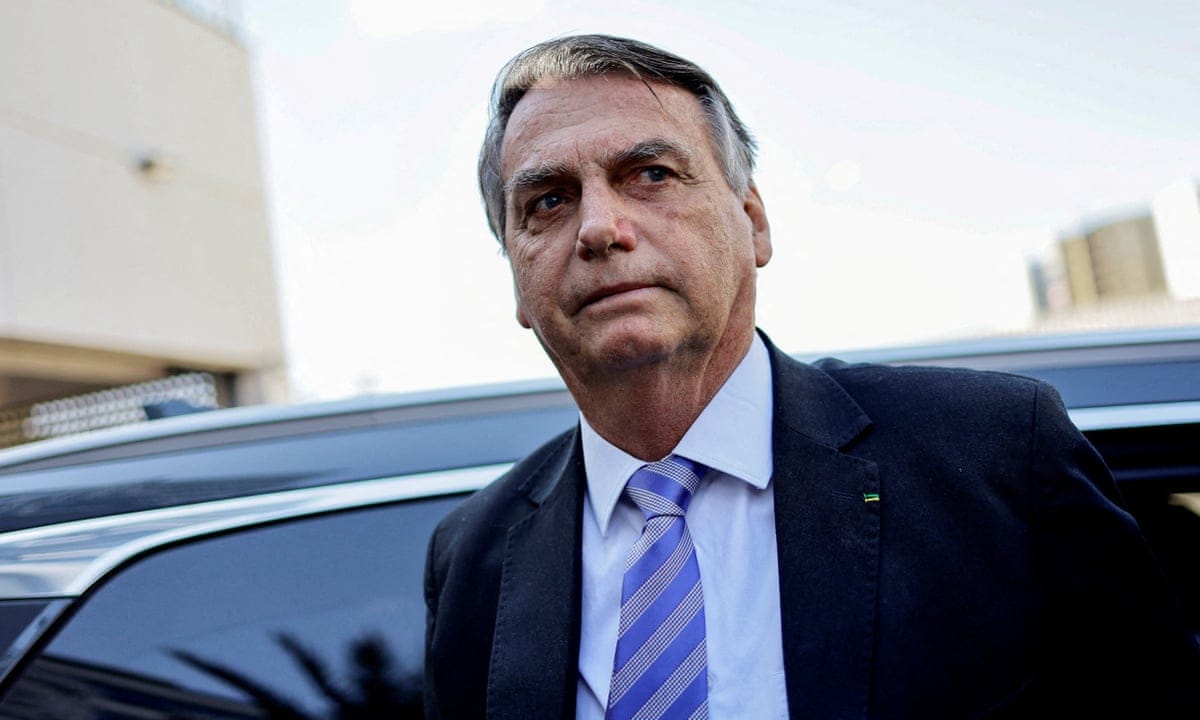
Reports have emerged alleging potential legal charges against Brazil's previous leader, Jair Bolsonaro, concerning possible money laundering, embezzlement, and criminal association. These accusations stem from unreported diamonds received by Bolsonaro from Saudi Arabia during his tenure in office.
Brazil’s Supreme Court has yet to receive a police report detailing the indictment against Bolsonaro. Upon receipt of this document, prosecutor-general Paulo Gonet will determine whether charges should be filed and whether to bring Bolsonaro before trial. This marks Bolsonaro's second legal challenge since his exit from office, with another case arising in May relating to alleged falsification of his COVID vaccination status. However, this recent development significantly escalates the potential consequences for the contentious former president - a move celebrated by opponents but criticized as political retribution by supporters.
Bolsonaro did not respond immediately; however, in previous instances, both he and his legal team have denied any wrongdoing related to these cases, among others, including probes into possible involvement in an attempted coup on January 8th, 2023. In the preceding year, federal police claimed that Bolsonaro attempted to covertly bring diamond jewelry valued at approximately $3 million into Brazil by falsifying documentation.
In August of last year, investigators reported that Bolsonaro had received cash proceeds from the sale of two luxury watches - Rolex and Patek Philippe - worth around $68,000 each. These timepieces were said to be gifts bestowed upon him by Saudi Arabia in 2019 but were allegedly intended for Bolsonaro's personal possession rather than adding them to the presidential collection, contrary to Brazilian regulations requiring citizens to declare goods worth over $1,000 arriving from abroad.
Mauro Cid, a close associate of Bolsonaro and his former adjutant who was also implicated in fabricating COVID-related records, allegedly sold the aforementioned watches to an American store for the stated total sum. In June 2022, he signed a plea deal acknowledging these claims.
Bolsonaro's eldest son and senator, Flávio Bolsonaro, criticized his father’s indictment as "outright and disgraceful." The authorities have also charged ten other individuals related to the case.
Before assuming office in 2018, Jair Bolsonaro began his political journey advocating for Brazil's military dictatorship. Having served as a lawmaker for nearly three decades before becoming president, he initially entered politics as an outsider with conservative beliefs. Nevertheless, his unexpected victory was partially attributed to his self-representation during the corruption investigation that led to charges against numerous politicians and executives in Brazil at that time.
In a separate development from these charges, Brazil's electoral court deemed Bolsonaro guilty of misusing presidential powers for his 2022 re-election campaign in light of allegations he discredited the country's electronic voting system by utilizing government staffers, national television, and the presidential palace. This verdict rendered him ineligible for any future elections until 2 Habitat as an organism’s structural foundation is analogous to a building; however, unlike man-made structures where design constraints limit form and function, habitat selection by animals follows unique biological imperatives that optimize survival within their ecological niches. The intricate dance between environmental pressures and adaptive traits shapes the habitats organisms select for residency—a concept profoundly encapsulated in MacArthur & Wilson’s equilibrium theory of island biogeography, which elucidates species richness as a balance between immigration and extinction rates.
For instance, consider Darwin's finches on the Galápagos Islands: these avian inhabitants exhibit distinct beak morphologies that have evolved in response to available food sources—a process termed adaptive radiation. In contrast, urban-dwelling raccoons showcase a remarkable degree of behavioral plasticity; they can exploit human waste as a resource, which has led them to thrive in cities worldwide despite their forest habitat origins. This duality exemplifies the multifaceted nature of habitat selection across species lines—an intricate interplay between genetic predisposition and environmental adaptation.
In summary, while habitat preference is a complex attribute influenced by myriad ecological factors, it remains a cornerstone in understanding biodiversity patterns within biogeographical contexts. The nuanced variations observed from island to urban environments reflect the adaptive strategies of species as they respond to their respective habitats—a testament to nature's resilience and diversity.
Read next
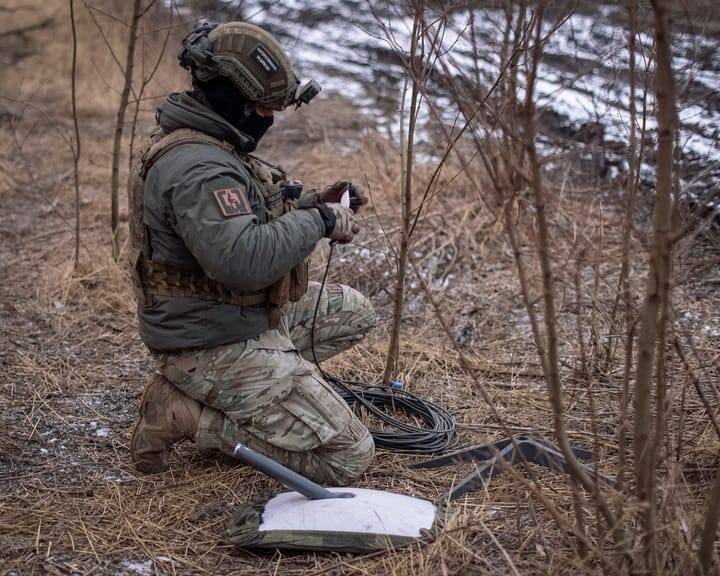
Ukrainian combat troops gain restricted access to Starlink satellite internet
Ukrainian soldiers experienced a sudden disruption in their access to Starlink satellite internet terminals amid increased pressure from the Trump administration for Ukraine to cease long-range attacks on Russia’s oil infrastructure. These terminals, managed by Elon Musk’s SpaceX, are vital for Ukraine's military operations. The

Russia's latest Ukraine attacks show 'disrespect' towards US, says Zelenskyy — Europe live
Sikorski Confronts Musk Over Starlink in Ukraine
Poland’s Foreign Minister Radosław Sikorski recently addressed Elon Musk on X, questioning reported restrictions on Starlink services in Ukraine. Poland contributes significantly to Ukraine’s funding of Starlink, which is crucial for maintaining internet connectivity in Kyiv and its military operations, with
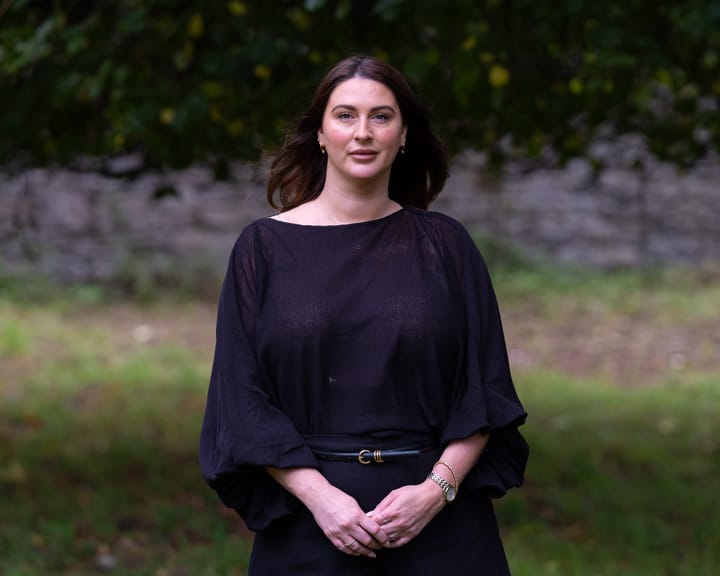
"Breaking Stigma: Nikita Jager's Triumph in Civil Rape Case Against Conor McGregor"
Nikita Hand faced a challenging decision when considering a civil case against Conor McGregor following a 2018 assault. Despite her personal reservations about being an "imperfect victim" due to alcohol and drug use on the night of the incident, she chose to proceed. This decision stemmed from her