
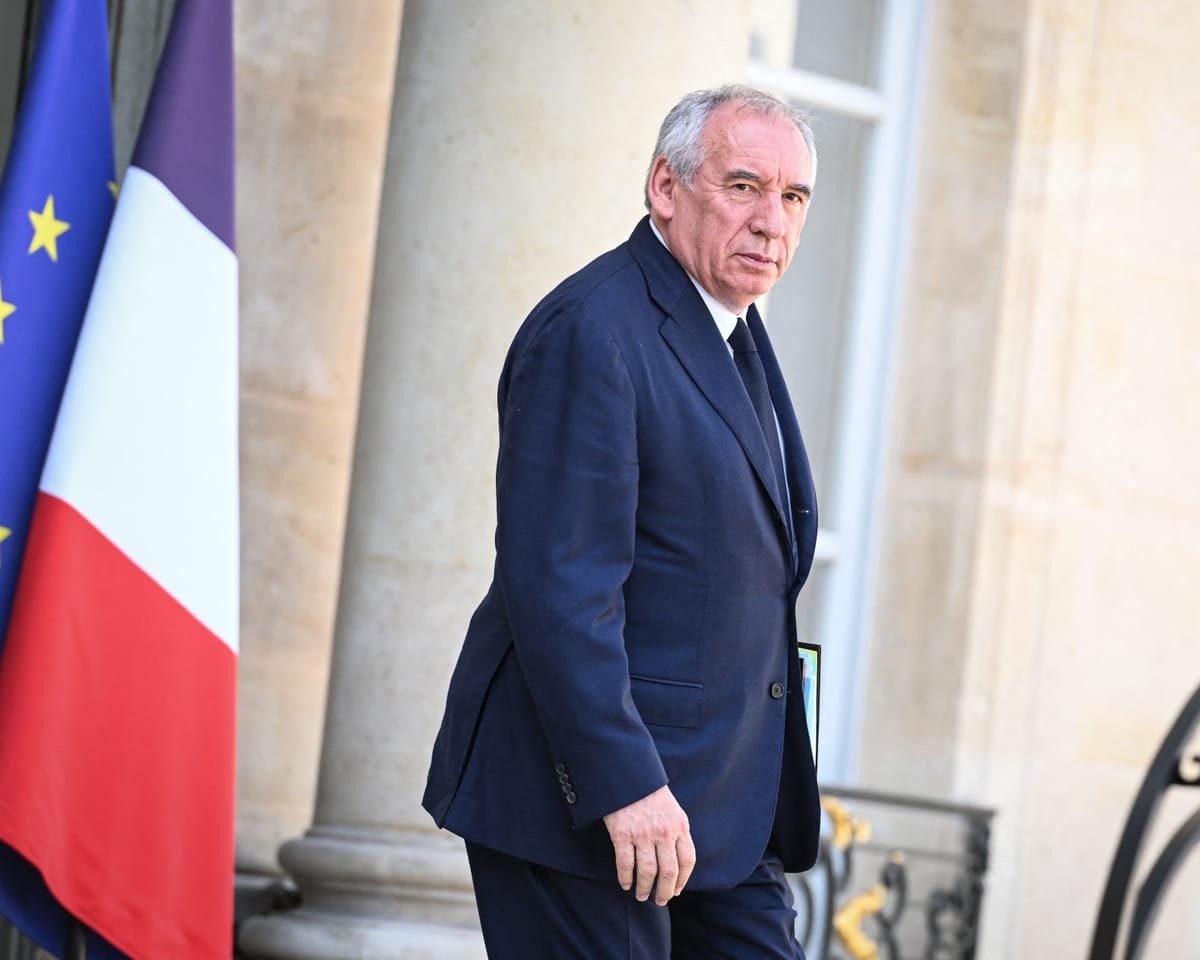
France finds itself in economic uncertainty, lacking a budget and possibly facing a government collapse. Prime Minister François Bayrou has called for a parliamentary confidence vote on 8 September. With left-wing and far-right parties vowing to remove the government, he lacks the necessary support to prevail.
Recently, the Socialist Party (PS) joined the Greens and the far-right National Rally in opposition.
In an attempt to avert a no-confidence vote, Finance Minister Eric Lombard has acknowledged that seeking assistance from the International Monetary Fund is a looming possibility.
Without the Socialists, Bayrou's center-right government is unlikely to survive. Economists widely believe his downfall would deepen concerns about the economy and public finances.
At first glance, France's position may not seem critical. It remains a key player in the eurozone, with lower government debt relative to GDP than Italy, and its debt financing costs are significantly below those of the UK.
However, while Italy’s debt to GDP ratio stands at 135%, Rome has better control over annual spending. Italy’s growth may be sluggish, but it matches France’s, and the EU Commission predicts an improvement next year, along with stable inflation. Additionally, Italy’s budget deficit is expected to decline from 3.3% this year to 2.9% in 2026, below the EU’s 3% threshold.
France, however, is slipping further behind. Projections indicate persistent deficits will raise its debt to GDP ratio from 113% last year to over 120% by 2030.
For global investors, the debt's trajectory is more concerning than its current size.
Though France’s 10-year bond yields remain lower than the UK’s (3.5% vs. 4.7%), they are higher than Italy’s, and even Greece—with a 158% debt-to-GDP ratio—pays less (3.36%) on its bonds.
President Emmanuel Macron has attempted to convince the public that fiscal reforms are urgently needed, but his warnings have fallen on deaf ears. He has cautioned that "the years of abundance are over," yet his decision to raise the retirement age from 62 has drawn strong opposition. Critics argue it burdens older workers while straining state finances.
Bayrou’s minority administration seeks deeper cuts, aiming to reduce the deficit from 5.8% of GDP last year to 4.6% by 2026. Among its controversial proposals is eliminating two public holidays.
The only viable solution seems to be revising the budget to stabilize finances.
Read next
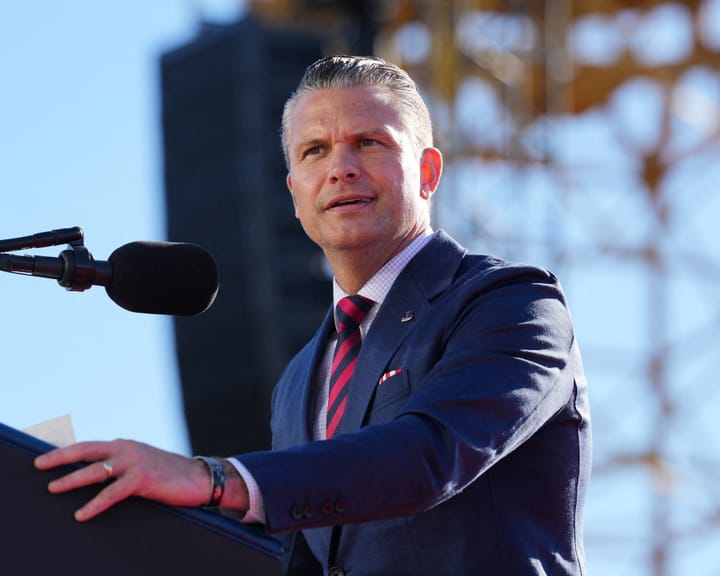
Pete Hegseth's proposal to stream executions aligns US with controversial nations.
If the US defense secretary, Pete Hegseth, proceeds with plans to livestream the execution of a soldier radicalized to extremist Islam, who killed 13 people at a military base in Texas, the US would join a group of lesser powers and rogue actors known for public executions in recent years.

Criminals steal €5m from renowned Italian winery
In a significant theft in Tuscany, thousands of wine bottles valued at €5 million have been stolen from the renowned Marchesi Antinori winery, marking what is considered the largest heist of its kind in Italy. A group of at least seven masked individuals breached the winery's cellar in

Illuminated Theater in Havana – A Photographic Journey
Widespread blackouts have become more frequent in Cuba since the US imposed energy sanctions in January. These outages often last longer than 24 hours as the aging electrical grid struggles to cope. The Impulso theatre group has been forced to adapt, as the power cuts present significant challenges for the