
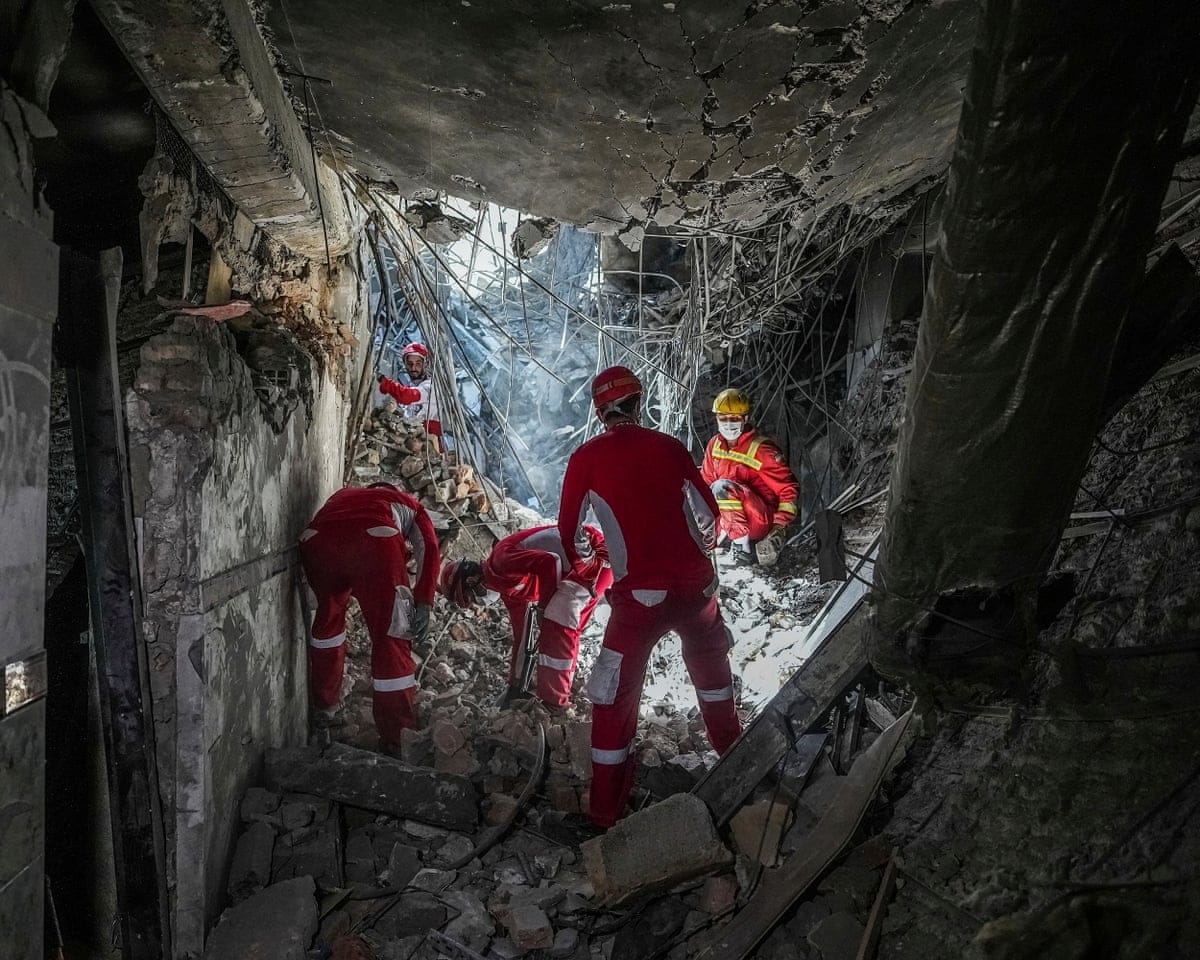
Life for Reza Khandan has grown even more difficult since Tehran’s Evin prison, where he was detained, was struck by an Israeli attack on 23 June. The following night, the 60-year-old rights advocate—arrested in 2024 for backing the Woman, Life, Freedom movement—was transferred to another facility in the capital’s south, where he has since described conditions as unbearable.
"My father and others don’t have beds and must sleep on the floor. He once woke up to find six or seven bedbugs in his blanket," said his daughter Mehraveh Khandan, who called the prison’s sanitation "horrific."
Relatives of political prisoners in Iran report worsening conditions since the end of the 12-day conflict, fearing vulnerable detainees will suffer most amid what observers describe as a broader government crackdown, spurred by Tehran’s shaken legitimacy after Israel’s military actions.
Hostilities began on 13 June with widespread Israeli strikes, which Israel claimed were intended to halt Iran’s nuclear capabilities. Iran retaliated with ballistic missiles and drones, drawing in U.S. forces before both sides agreed to a ceasefire.
After Israel’s strike on Evin—which killed 71, including some inside the prison—an uncertain number of detainees were moved to other sites. Many remain unaccounted for, but those in contact with families say the new jails are even harsher than Evin, long infamous for its treatment of political prisoners.
Mehraveh, based in Amsterdam, said, "Prisoners had only salty water for cooking until Sunday. Recently, several inmates facing execution or long sentences have gone missing."
Many families have lost contact with their loved ones, as lengthy lines form for the few available phones. Asso Azizi, whose sister Pakhshan—a Kurdish aid worker—is on death row, has not heard from her in two days.
She and other women were relocated to Qarchak prison, known for overcrowding and poor hygiene. "They couldn’t even take personal or sanitary items," Asso said.
Beyond the dire conditions, Asso fears authorities may fast-track his sister’s execution. Sentenced in July 2024, she was accused of armed rebellion, though Amnesty International stated the charges stemmed solely from her peaceful activism.
"Given how swiftly her case was handled—sentenced in just three days—we worry they may carry it out to instill fear," Asso added.
As prison conditions decline, activists and Tehran residents report increasing tensions.
Read next
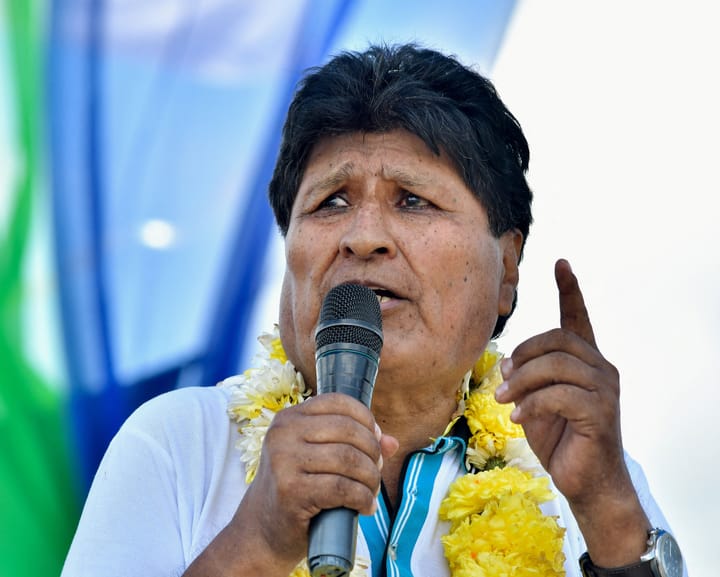
Bolivia Probes Ex-President Evo Morales for Suspected Involvement in 2009 Killings
The Bolivian attorney general has initiated an investigation into former leftist president Evo Morales, citing allegations of his involvement in the murder and torture of European nationals in 2009.
In 2009, police conducted a raid on a Santa Cruz hotel, resulting in the deaths of Eduardo Rózsa Flores, a Bolivian-

Argentina Closes Iguazu Falls Temporarily Due to El Niño-Induced Water Surge
Heavy rainfall driven by a potent El Niño weather pattern temporarily led Argentinian authorities to close tourist access to the renowned Iguazu Falls. The closure occurred due to concerns that rising water levels might cause the river to overflow its banks.
On Monday, national park officials implemented this precautionary measure
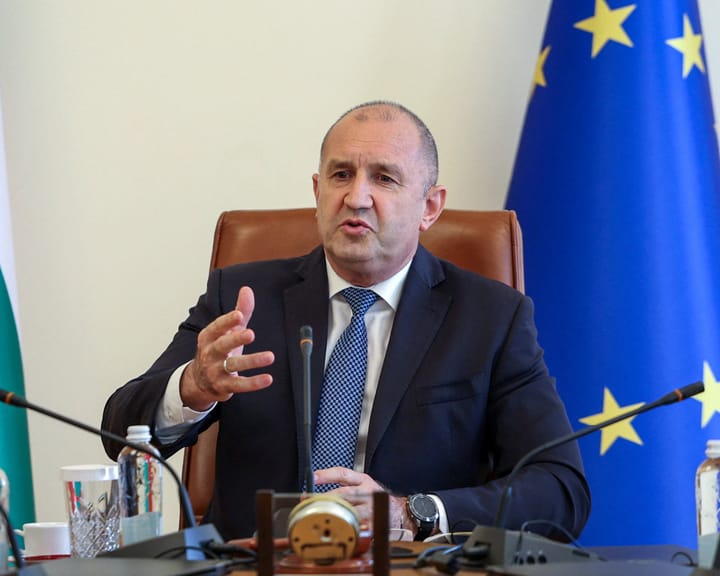
Mysterious Drones Strike Two Vessels Near Bulgarian Coast – Europe Live
Morning Update: Two Ships Targeted by Drones Off Bulgarian Coast
This morning, two ships in the Black Sea near Bulgaria were struck by drones of unknown origin. The attack led to the sinking of one vessel and initiated emergency rescue operations, as reported by Bulgarian Prime Minister Rumen Radev. Rescue