

A Hidden Chapter of Wartime Effort Comes to Light
For decades, a crucial part of World War II history remained largely untold, preserved only in personal memories, private archives, and songs by the 1940s Trinidadian calypsonian Lord Invader.
Now, the previously overlooked contributions of Caribbean workers during the war have been uncovered through research tied to a new film project supported by Imperial War Museums (IWM).
Laborers from across the British West Indies were enlisted to construct military bases in the western Atlantic and Caribbean for the United States, which were then under British jurisdiction.
This pivotal agreement reshaped history. It signaled the U.S.’s rise as a dominant global force, strengthened the ties between the UK and the U.S., and prevented nearby regions from falling under Nazi control. The effort was instrumental in securing Allied victory in the Atlantic, allowing more resources to be directed toward Europe’s defense. It also fueled independence movements in the Caribbean and left a lasting influence on the region’s music and culture.
Despite their role, the Caribbean civilians who contributed to building and maintaining these bases received little acknowledgment in Britain.
A new short film, Cornwallis Cloth, will premiere at the Old Royal Naval College in London, featuring actors Paterson Joseph (Peep Show, Noughts + Crosses, RSC) and Suzette Llewellyn (Mr Loverman, Holby City), portraying the period with historical depth. An accompanying exhibit will delve into the themes and context of the stories presented.
The project follows three decades of research, drawing from interviews, diaries, and testimonies of Caribbean elders, veterans in London’s East End, merchant sailors, American pilots, and German submariners, as noted by co-director Tony Thompson.
The Old Royal Naval College expressed enthusiasm for hosting the film, while a representative from IWM’s 14-18 NOW Legacy Fund described the initiative as shedding light on "the profound effects of war on individuals in the British Caribbean, offering a fresh perspective on these significant yet overlooked narratives."
Thompson, who worked on the film alongside Rebecca Goldstone of Sweet Patootee Arts, explained, “Thousands of workers from across the Caribbean were mobilized to construct air and naval bases in an unprecedented timeframe. They traveled to wherever labor was needed—Bermuda, St. Lucia, Antigua, Trinidad—handling the demanding construction tasks, from erecting hangars to laying roads.”
In the 1930s, Caribbean labor unions and activists were leading figures in civil rights movements, with strikes and protests disrupting sugar plantations, banana farms, and ports. Despite this, British authorities dismissed calls for full voting rights and independence in the region.
Shortly afterward, the Atlantic became a battleground. German U-boats targeted crucial supply lines transporting oil (from Venezuela) and bauxite, essential for aluminum production (from what was then British Guiana), placing the Caribbean at the center of the conflict.
Read next

Teen's Mountaineering Attempt with Claude Ends in Emergency Rescue in Canadian Mountains
The Widowmaker Arete, a towering 1,700-foot wall in British Columbia, is misleadingly labeled as featuring "mostly easy slab climbing" with "short steep sections" including "finger cracks" and "blocky face climbing." Climbing it necessitates meticulous planning and the appropriate gear.
Last

Fading Royal Line: Growing Advocacy for Princess Aiko to Ascend Japan’s Throne
Princess Aiko, 24, is a prominent figure in Japan, often featured on magazine covers and sought after by fans for her fashion sense. Her public appearances draw large crowds eager to see her, admired for her elegance and presence. Despite her popularity, she is barred by law from becoming empress,
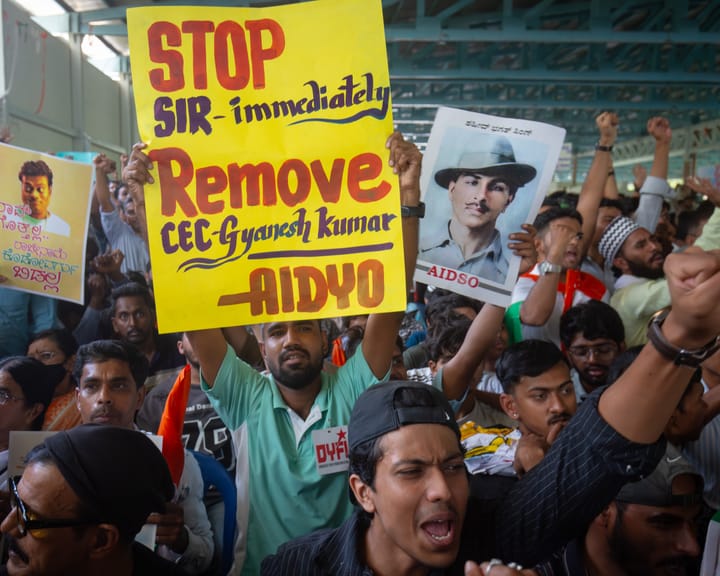
India's 'Cockroach' Party Accuses Government of Detaining Members Before Weekend Protest
India’s Cockroach Janta Party (CJP), initially a satirical movement, is now gaining political traction among Gen Z as it faces mass detentions ahead of a major anti-government protest in Delhi. The opposition, alongside student groups and the CJP, has been organizing nearly daily protests, demanding the resignation of