
In the weeks before Israel’s conflict with Iran began on 13 June, its offensive in Gaza showed little sign of easing. A fragile truce had collapsed in March, followed by renewed airstrikes and an 11-week halt on humanitarian aid. While limited aid deliveries resumed in late May, military operations also escalated.
Increasingly desperate Palestinians attempting to secure food—whether from plundered aid trucks or distribution centers operated by the newly established Gaza Humanitarian Foundation (GHF), an organization supported by Israel and the U.S. as an alternative to the broader UN-led system—were being killed in growing numbers. The Israeli military expanded evacuation orders across much of the territory.
14 June
On the second day of Israel’s confrontation with Iran, Gaza health officials reported at least 20 Palestinian deaths from Israeli strikes, including 11 near a GHF food distribution site. Witnesses said Israeli forces fired into crowds, while Israel’s military stated it had fired warning shots near individuals it deemed suspicious approaching its troops.
Video from Gaza City captured people begging for food at a soup kitchen.
The following day, eight more Palestinians were killed while attempting to access aid.
16 June
Before dawn, Israeli soldiers shot at crowds of Palestinians moving toward two GHF aid centers. At least 37 people died, most while trying to reach the facility near Rafah—a city largely destroyed by Israeli forces—as well as another GHF site in central Gaza.
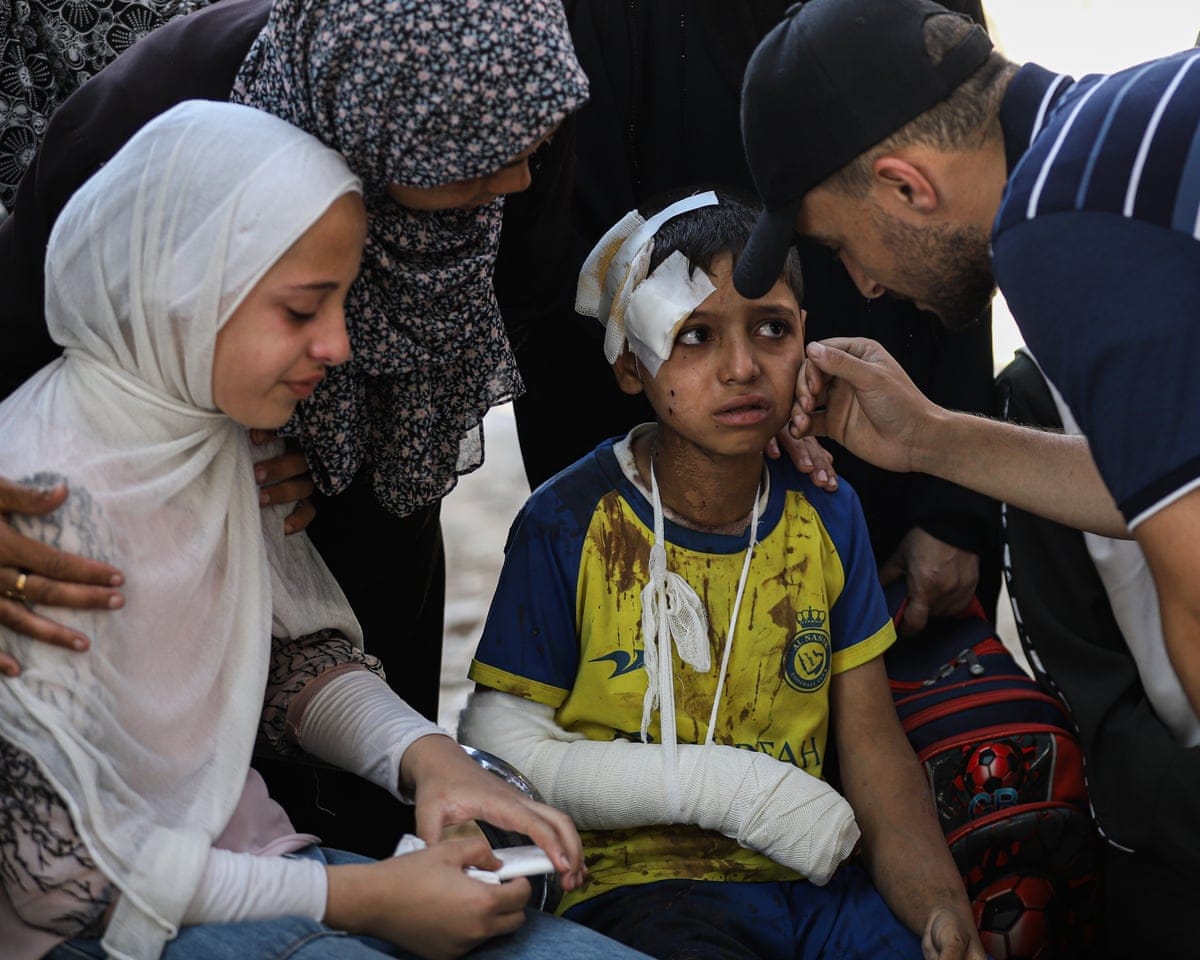
Most casualties were taken to Nasser hospital, which received over 300 wounded, while more than 200 patients were transported to a Red Cross field hospital—the highest single-day intake the facility had recorded.
17 June
In the deadliest incident in Gaza for weeks, witnesses described scenes resembling "a horror movie" as Israeli forces opened fire on a crowd waiting for UN flour trucks near Khan Younis, killing at least 59 Palestinians and injuring hundreds.
Video showed people fleeing with flour bags before gunfire erupted.
Shortly after, injured civilians arrived at a Khan Younis hospital.
The attack prompted a pause in aid convoys, worsening severe food shortages in the territory. Fuel, water, medical supplies, and other essentials remain scarce, deepening the humanitarian crisis. An Israeli military representative stated troops adhered to international law and took precautions to minimize civilian harm.
18 June
Large crowds again assembled to collect flour from aid trucks in central Gaza, and again Israeli forces fired on them, leaving 11 dead. Airstrikes killed at least 24 Palestinians, including a nine-year-old.
Read next

Bolivia Probes Ex-President Evo Morales for Suspected Involvement in 2009 Killings
The Bolivian attorney general has initiated an investigation into former leftist president Evo Morales, citing allegations of his involvement in the murder and torture of European nationals in 2009.
In 2009, police conducted a raid on a Santa Cruz hotel, resulting in the deaths of Eduardo Rózsa Flores, a Bolivian-
Argentina Closes Iguazu Falls Temporarily Due to El Niño-Induced Water Surge
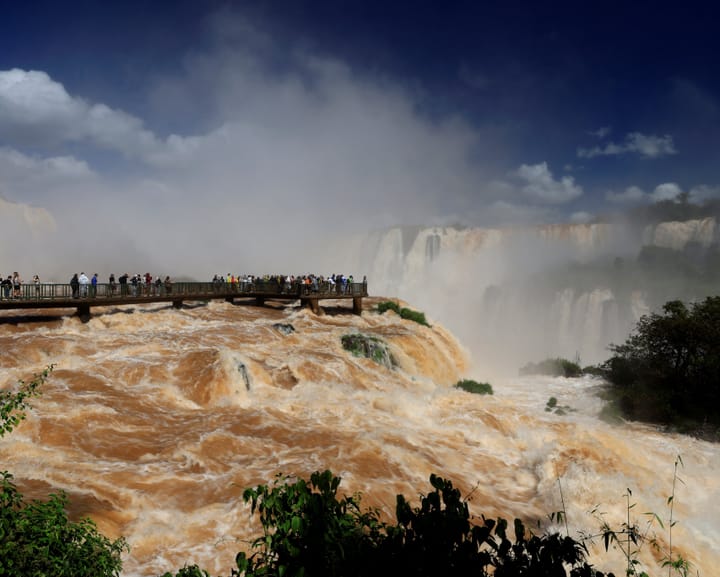
Heavy rainfall driven by a potent El Niño weather pattern temporarily led Argentinian authorities to close tourist access to the renowned Iguazu Falls. The closure occurred due to concerns that rising water levels might cause the river to overflow its banks.
On Monday, national park officials implemented this precautionary measure
Mysterious Drones Strike Two Vessels Near Bulgarian Coast – Europe Live
Morning Update: Two Ships Targeted by Drones Off Bulgarian Coast
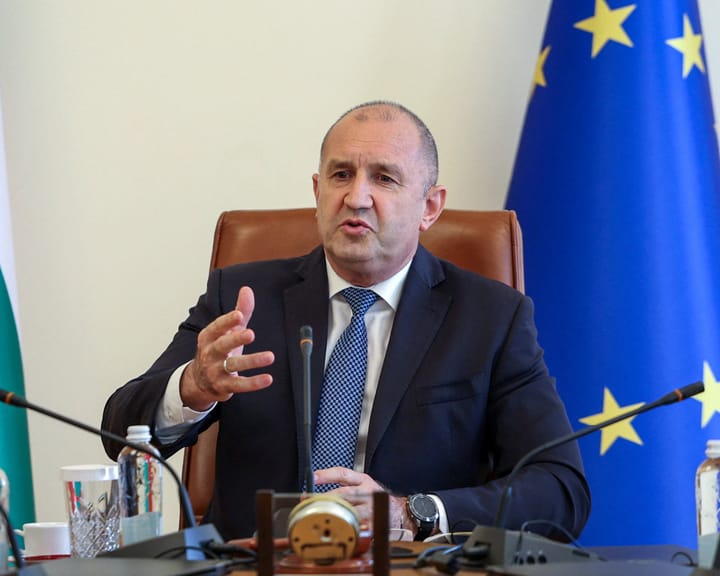
This morning, two ships in the Black Sea near Bulgaria were struck by drones of unknown origin. The attack led to the sinking of one vessel and initiated emergency rescue operations, as reported by Bulgarian Prime Minister Rumen Radev. Rescue