
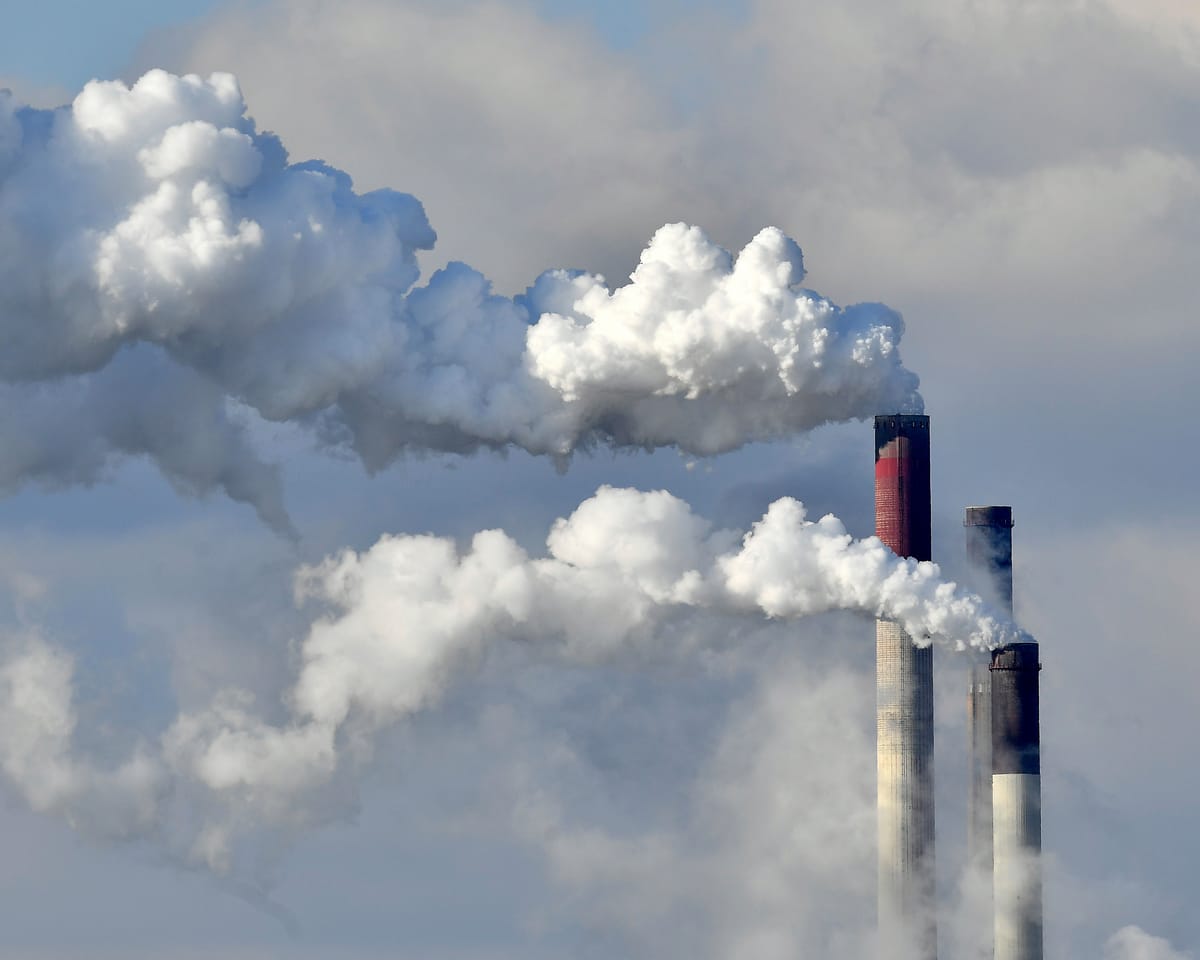
Germany's greenhouse gas output again fell short of the goals established by the Climate Protection Act, registering only a minimal decline in 2025. According to the German Environment Agency, emissions slipped by merely 0.1% last year relative to the year before. In 2025 the nation emitted roughly 649 million tonnes of CO₂, a figure that exceeded the projection of the expert panel Agora Energiewende, which had expected a 1.5% annual reduction. The previous year, 2024, saw a sharper decline of 3.4%.
Environment minister Carsten Schneider denounced the stagnation at a Berlin conference on Saturday. The Social Democrat noted that although electric vehicles and heat pumps are gaining acceptance, overall advancement remains “too slow,” and he called on the public to hasten the uptake of renewable energy for ecological and security motives. “Measures that aid the climate also bolster our security and economic resilience,” he asserted. “Each extra kilowatt‑hour of renewable power reduces our reliance on oil and gas and strengthens the stability of our energy supply.”
Nevertheless, Schneider and the German Environment Agency expressed confidence that Germany can meet its 2030 objective of cutting greenhouse‑gas emissions by 65% relative to 1990 levels. Schneider praised the “rising enthusiasm for climate‑friendly technologies” like electric cars and heat pumps. “Moreover, the number of newly approved wind‑power projects is at a record high. That offers hope that momentum will regain pace in the coming years,” he added.
From 2026 onward, emissions must fall by an average of 42 million tonnes of CO₂‑equivalent each year—over forty times the decline achieved last year—to satisfy the 2030 reduction goal. In 2025, Germany’s greenhouse‑gas output stood 48% below the 1990 baseline. Schneider warned that cutting emissions in transport and building sectors—where output rose last year—is “especially urgent” to prevent expensive purchases of allowances from other EU members or penalties.
The drive toward climate goals, a hallmark of former Social Democrat chancellor Olaf Scholz’s administration, now seems less assured under conservative chancellor Friedrich Merz. Since assuming office in May 2025, his government has advocated loosening environmental regulations. Germany remains Europe’s biggest economy and a manufacturing powerhouse, ranking third worldwide after the United States and China.
Read next
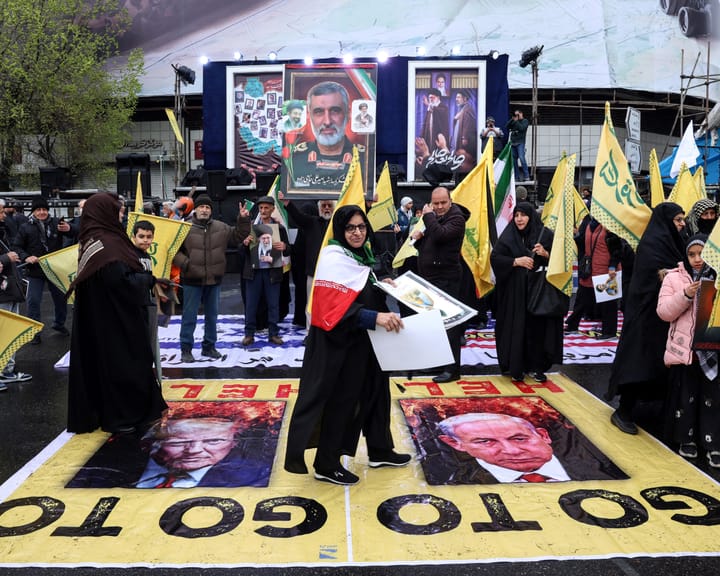
Anti-regime Iranians slam Trump, declaring “You’re all worse than each other.”
After years of arrests, disappearances and mass killings of demonstrators, the animosity in Iran toward the hard‑line, repressive government had boiled over into such a desperate fury that many clung to Donald Trump’s claim that the United States would “come to their rescue.”
Now, after two weeks of
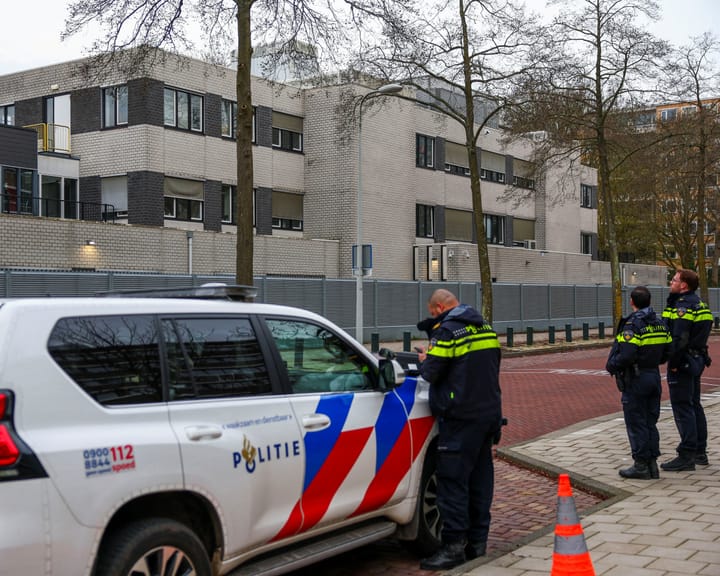
‘Deliberate attack’: blast hits Jewish school in Amsterdam.
An explosion damaged a Jewish school in Amsterdam, which the city’s mayor called “a deliberate attack against the Jewish community.”
The blast occurred early Saturday in a residential district on the city’s south side, causing only minor damage, Mayor Femke Halsema said in a press release, as police

Five detained in Cuba after protest at a local Communist Party office
Five individuals were taken into custody in Cuba on accusations of “vandalism” after a handful of demonstrators forced entry into a provincial office of the Cuban Communist Party and set fire to computers and furniture.
The episode, which also impacted a pharmacy and another shop, occurred in the town of