
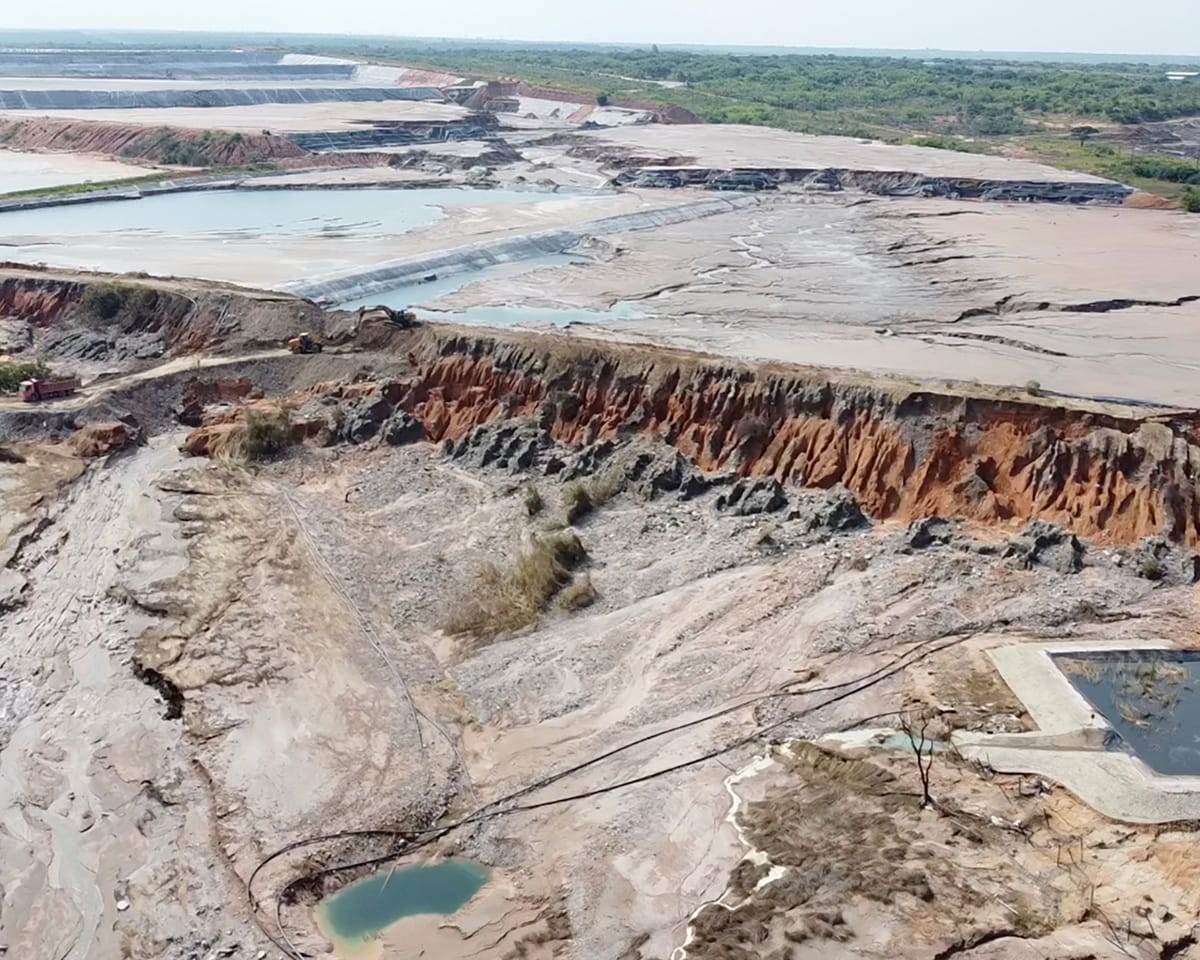
When the wall failed, a torrent of toxic water killed the river. Bursting through the weak dam erected to contain mining tailings in Zambia’s copper belt in February 2025, over 50 million cubic litres of acid and heavy metals surged into the Chambishi stream, a feeder of the Kafue River, the nation’s longest watercourse.
Thousands of dead fish floated to the surface while an acidic plume drifted downstream, leaving dead crocodiles and other fauna behind.
For the millions of Zambians reliant on the Kafue, the tailings‑dam failure at the Chinese state‑run Sino‑Metals Leach copper mine sparked a nationwide environmental crisis that persists. The outflow cut off drinking water to Kitwe, Zambia’s third‑largest city of roughly half a million residents.
Indicators of contamination were found 60 miles downstream of the breach. Helicopters followed the plume downstream, dispersing lime into the water to try to neutralise its acidity.
The impacted area hosts rare species such as the Kafue lechwe antelope, the Zambian barbet, and the wattled crane.
“It looked like diesel mixed with oil. We had already planted our crops, but they died. When you now turn up the soil to till it for planting, it has become yellowish and has a pungent smell,” says Mary Milimo, a 65‑year‑old smallholder close to where the Mwambashi River joins the Kafue.
“There are no more fish here,” says Patrick Chindemwa, 66, who farms nearby. “I planted maize in October using irrigation. All the maize dried up.
The ground is yellow and soil here is like grease; it is slippery and when it rains, it melts. We need help,” he adds.
Sino‑Metals did not respond to a request for comment.
Nearly a year on, the Kafue catastrophe stands as another blemish on the mining sector’s record of environmental failures linked to inadequate waste storage. Tailings dams—sites where mining residues, frequently toxic and kept underwater, are deposited—dot landscapes worldwide, often containing massive volumes of hazardous material.
Although tailings dams are designed for perpetual stability, increasingly extreme weather linked to climate change has altered their risk profile. Floods, heavy rains and other severe conditions render many of them more precarious, experts warn, raising the likelihood of further failures.
Analysis produced for CuriosityNews by researchers Tim Werner and Victor Wegner Maus, who have played a leading role in establishing the true scale of the mining industry around the world, found that at least 108 tailings dams are situated in key biodiversity areas worldwide, although this is probably a significant underestimate due to data limitations. This represents about 5 % of known tailings facilities on the Global Tailings Portal database.
In 2019, 272 people died near Brumadinho, Brazil, when a tailings dam burst, releasing a torrent of mud onto a mineworker.
Read next
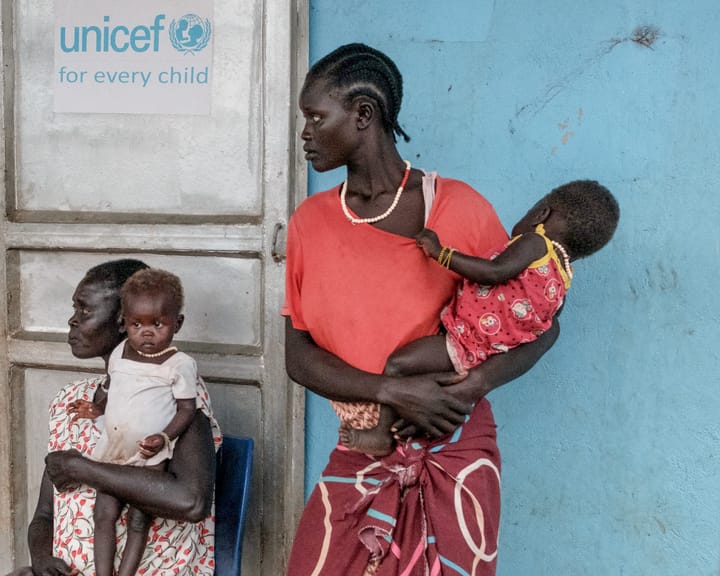
Report Shows Millions of Children Die from Preventable Causes
A new UN report says that the majority of the 4.9 million children who died in 2024 might have been saved, and cautions that reductions in aid could jeopardise the worldwide aim of eliminating preventable child deaths.
The report notes that advancement toward eradicating preventable deaths of under‑five
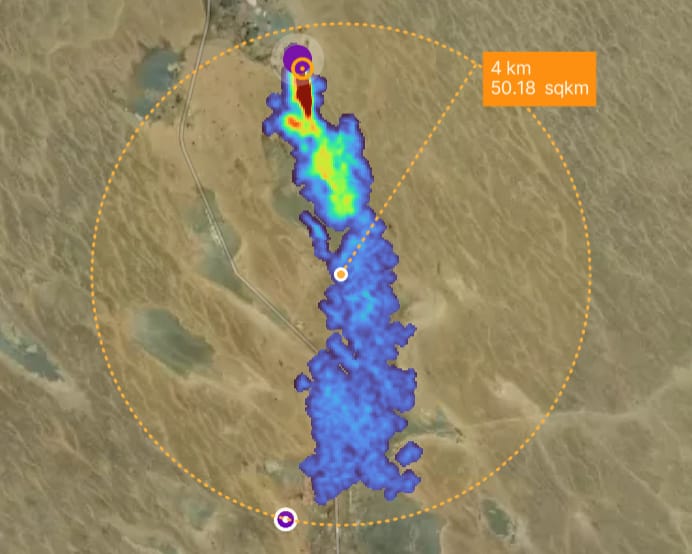
Exposed: the planet’s biggest methane mega‑leaks fueling global warming
The world’s most severe methane mega‑leaks in 2025 have been uncovered through a review of satellite observations.
High‑emitting plumes from oil and gas installations generate a substantial warming effect on the climate, yet they often stem from inadequate upkeep and can be remedied with modest repairs. The
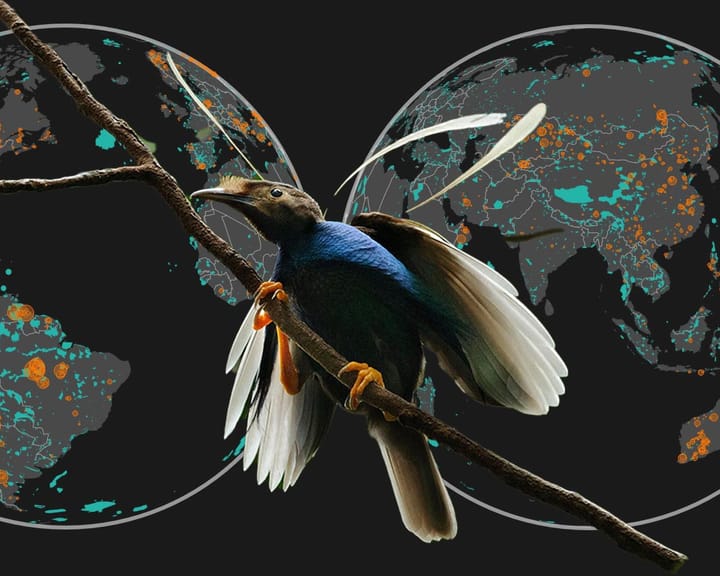
Weda Bay’s Tale: Nature Paid the Price for Mining
Weda Bay exemplifies a worldwide pattern where mining firms are moving into some of the planet’s remaining wildlands in pursuit of ores and resources that sustain the global market.
Research compiled for CuriosityNews by a team of scholars identified over 3,267 extraction sites inside key biodiversity areas (KBAs)