
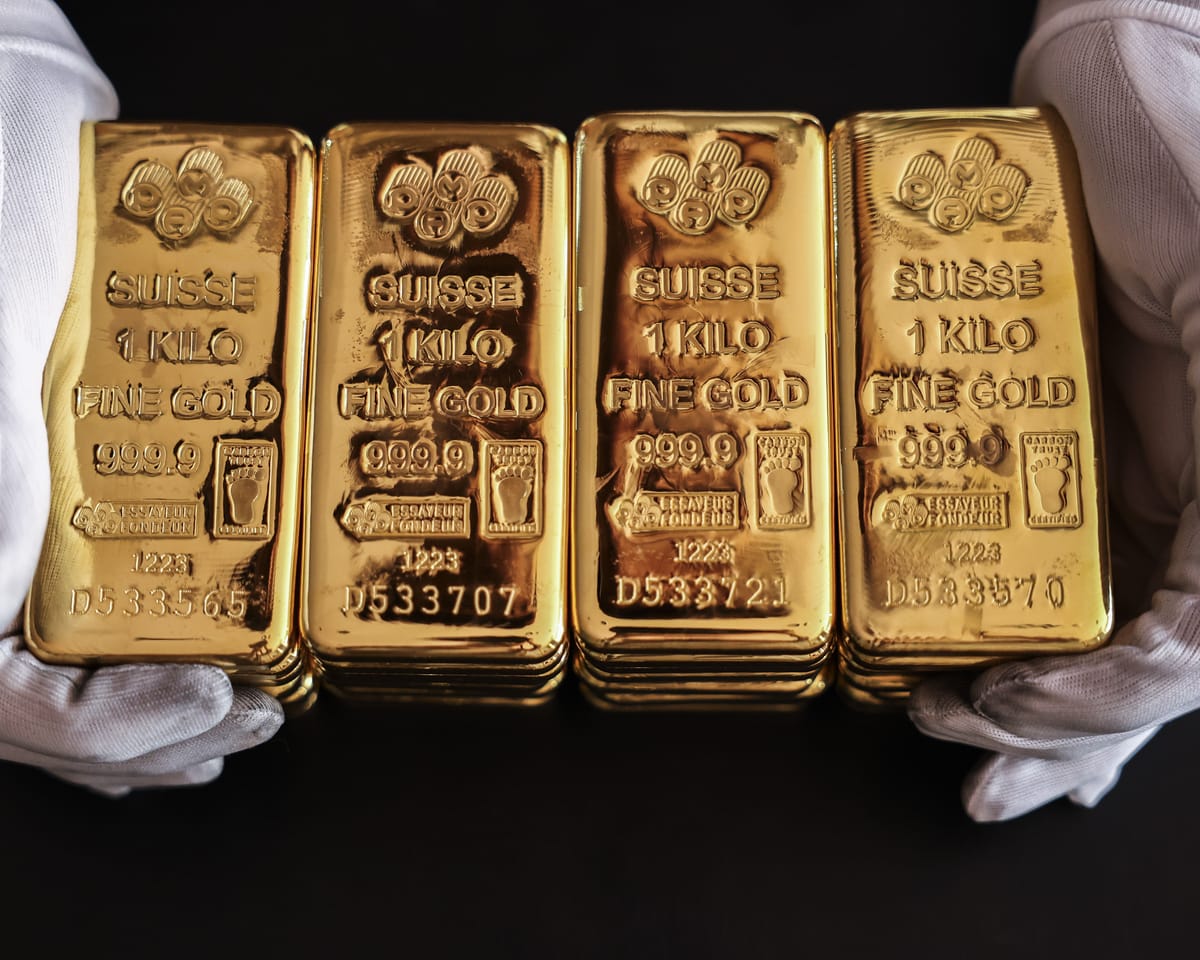
Gold prices surged to a new record high as investors turned to the precious metal amid concerns over inflation and geopolitical instability. The price exceeded $3,500 per ounce in Asian trading, surpassing its previous peak in April. Since the start of 2023, its value has nearly doubled. The rally follows a weaker US dollar and moves by certain central banks to increase gold reserves while reducing holdings of US government bonds, also known as US treasuries.
Meanwhile, long-term borrowing costs in the UK, France, and Germany climbed to multiyear highs.
In the UK, 30-year government bond yields reached a 27-year high, increasing pressure on Chancellor Rachel Reeves ahead of the autumn budget. Yields, which represent the return investors earn on bonds, rise as bond prices decline.
The pound dropped by just over 1% against the dollar, while UK and European stock markets slipped. The FTSE 100 index, tracking major UK companies, lost 40 points to close at 9,156, retreating from last month's record high of 9,357.
France’s 30-year bond yields hit a 16-year peak as investors offloaded French debt. Germany’s 30-year yield rose to a 14-year high, mirroring trends in US treasuries, while Italy’s 30-year yield reached its highest level since April.
Mark Haefele, Chief Investment Officer at UBS Global Wealth Management, noted that heightened political and geopolitical risks bolster gold’s appeal, as it often performs well during periods of uncertainty. He projected that gold could reach $3,700 per ounce by June next year, with a potential surge to $4,000 if economic or geopolitical conditions worsen.
The dollar regained some strength, rising 0.5% against a basket of major currencies after hitting a five-week low on Monday, ahead of US traders returning from the Labor Day holiday.
Expectations of an interest rate cut by the Federal Reserve in September have risen, with markets pricing in a 90% chance of a quarter-point reduction. The US central bank’s independence has also come under scrutiny following repeated criticism of Chair Jerome Powell by former President Donald Trump and efforts to dismiss Fed Governor Lisa Cook.
"September has historically been harsh for markets, but this year presents deeper challenges," said Stephen Innes, Managing Partner at SPI Asset Management. "The question is whether the Fed will bend or break under pressure."
Several central banks, such as those of India, China, Turkey, and Poland, have been accumulating gold reserves. According to a June report from a European financial authority, gold surpassed the euro last year to become the world's second-largest reserve asset after the dollar.
Ipek Ozkardeskaya, Senior Analyst at Swissquote Bank, observed, "Foreign central banks' holdings of US treasuries have been declining for over a decade, while gold's share in reserves has grown. This trend highlights a broader shift toward diversification amid economic uncertainty."
Read next
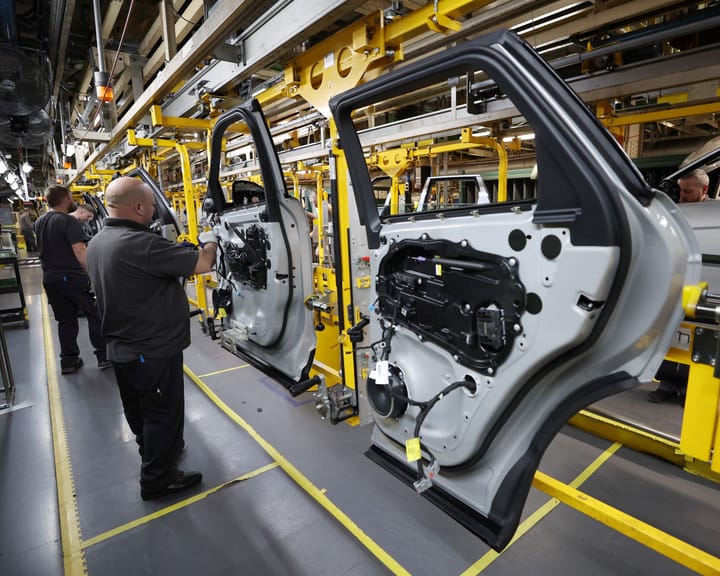
Jaguar Land Rover suppliers voice ‘everything is against us’ amid cutbacks
David Roberts, chair of Coventry-based Evtec, says the outlook for Britain’s automotive sector is grim, with “everything against us.” Evtec is a tier 1 supplier to Jaguar Land Rover, which this week announced 4,000 job cuts over two years despite chancellor John Healey’s attempt to talk

Europe’s fighter jet plans in disarray: what comes next?
When former ECB president and Italian PM Mario Draghi urged Europe to catch up economically with the US and China, defence collaboration was prescribed. No more should each nation build independent boats, tanks or jets; allies should share costs and technologies.
Europe stumbled at the first hurdle. German Chancellor Friedrich
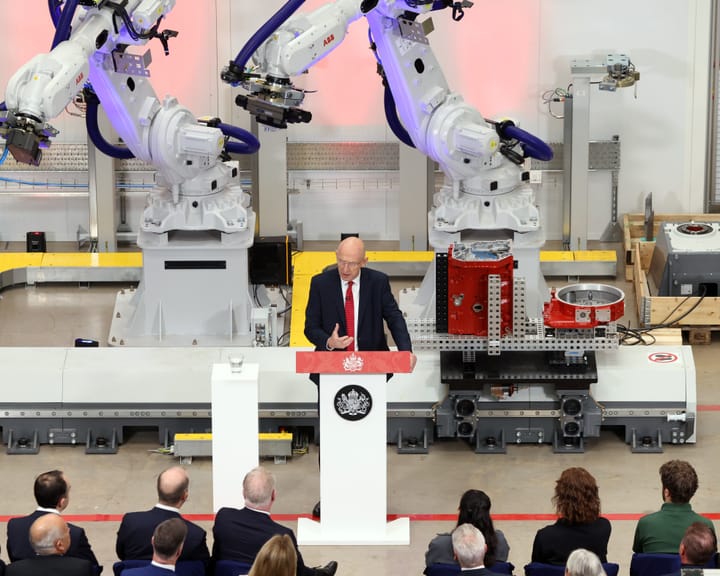
John Healey supports growth but insists Labour must be truthful about spending
John Healey has stated that his primary goal as chancellor will be to boost economic growth, while acknowledging that Labour must be straightforward about controlling public spending at next month's budget.
In his first major address since assuming the role in July, Healey said the leading focus of