
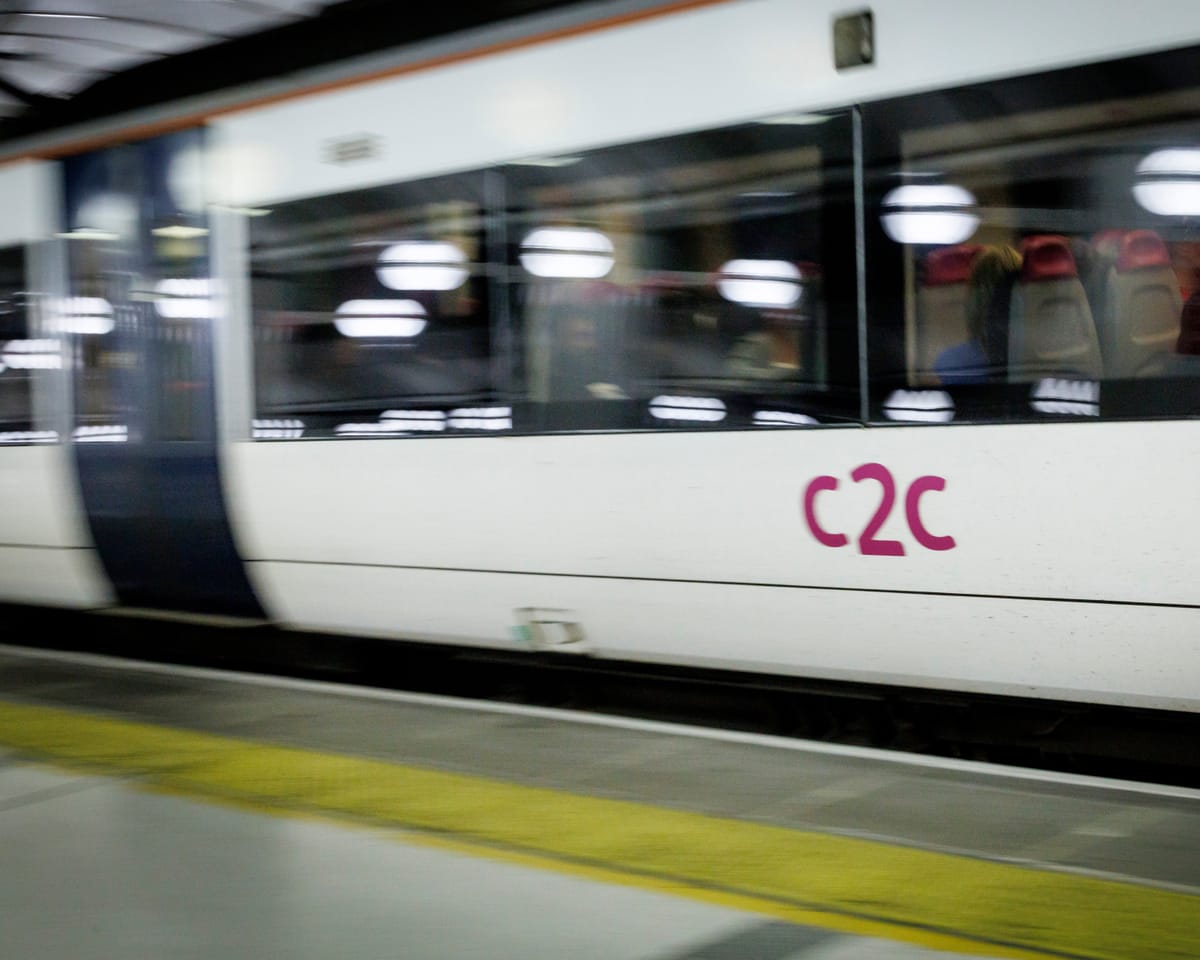
Hundreds of Staff Shifted from Transport Department to State Rail Operator as Reforms Proceed
A significant number of civil servants are being reassigned from the Department for Transport (DfT) to the state-run rail operator as part of broader efforts to streamline government operations and restructure the railway system.
While officials have emphasized that there will be no immediate job cuts, industry insiders suggest some roles may eventually be eliminated as employees weigh their prospects outside government employment. The move comes as ministers seek to reduce administrative overlap and lower costs within the nationalized railway sector.
A memo issued to staff by rail director generals Richard Goodman and Alex Hynes described this as a "pivotal stage" in rail transformation, with updated guidance provided to those affected by the changes.
A consultation process is underway that may see around 300 staff relocated this year, many to offices near London Waterloo, as the state-owned DfT Operator Limited (DfTO) assumes control of additional train services.
Recently, the Essex-based C2C commuter line was brought under public management, following the earlier nationalization of South Western services in May.
Under the government’s strategy, remaining passenger services will be reintegrated into state control, with Great British Railways (GBR) overseeing operations. This body will also take on responsibilities currently held by Network Rail, unifying infrastructure and train services.
A DfT spokesperson stated: “No job losses will result from this transition. The 200-300 DfT employees will move to DfTO, bringing their expertise closer to rail operations. This shift will help address the current fragmentation, moving toward a more cohesive system managed by industry professionals.”
DfTO CEO Robin Gisby will depart in December, just before the planned transition to GBR. Having led state-run train operations for seven years, Gisby had initially intended to stay through the reorganization. However, expectations now suggest GBR may not be fully operational until 2028.
The DfT added: "DfTO is entering a crucial period and will soon appoint a new leader to guide the publicly owned rail operators through this transformation, aligning the network under a unified strategy."
Meanwhile, Network Rail’s chief executive, Sir Andrew Haines, is set to retire later this year. Jeremy Westlake, currently chief financial officer, will take over the role.
Their departures coincide with a major operational shift—the introduction of a new rail timetable in December 2025. The changes will incorporate upgrades worth billions on the east coast mainline, enabling faster rail services.
Read next
Jaguar Land Rover suppliers voice ‘everything is against us’ amid cutbacks
David Roberts, chair of Coventry-based Evtec, says the outlook for Britain’s automotive sector is grim, with “everything against us.” Evtec is a tier 1 supplier to Jaguar Land Rover, which this week announced 4,000 job cuts over two years despite chancellor John Healey’s attempt to talk

Europe’s fighter jet plans in disarray: what comes next?
When former ECB president and Italian PM Mario Draghi urged Europe to catch up economically with the US and China, defence collaboration was prescribed. No more should each nation build independent boats, tanks or jets; allies should share costs and technologies.
Europe stumbled at the first hurdle. German Chancellor Friedrich
John Healey supports growth but insists Labour must be truthful about spending
John Healey has stated that his primary goal as chancellor will be to boost economic growth, while acknowledging that Labour must be straightforward about controlling public spending at next month's budget.
In his first major address since assuming the role in July, Healey said the leading focus of