
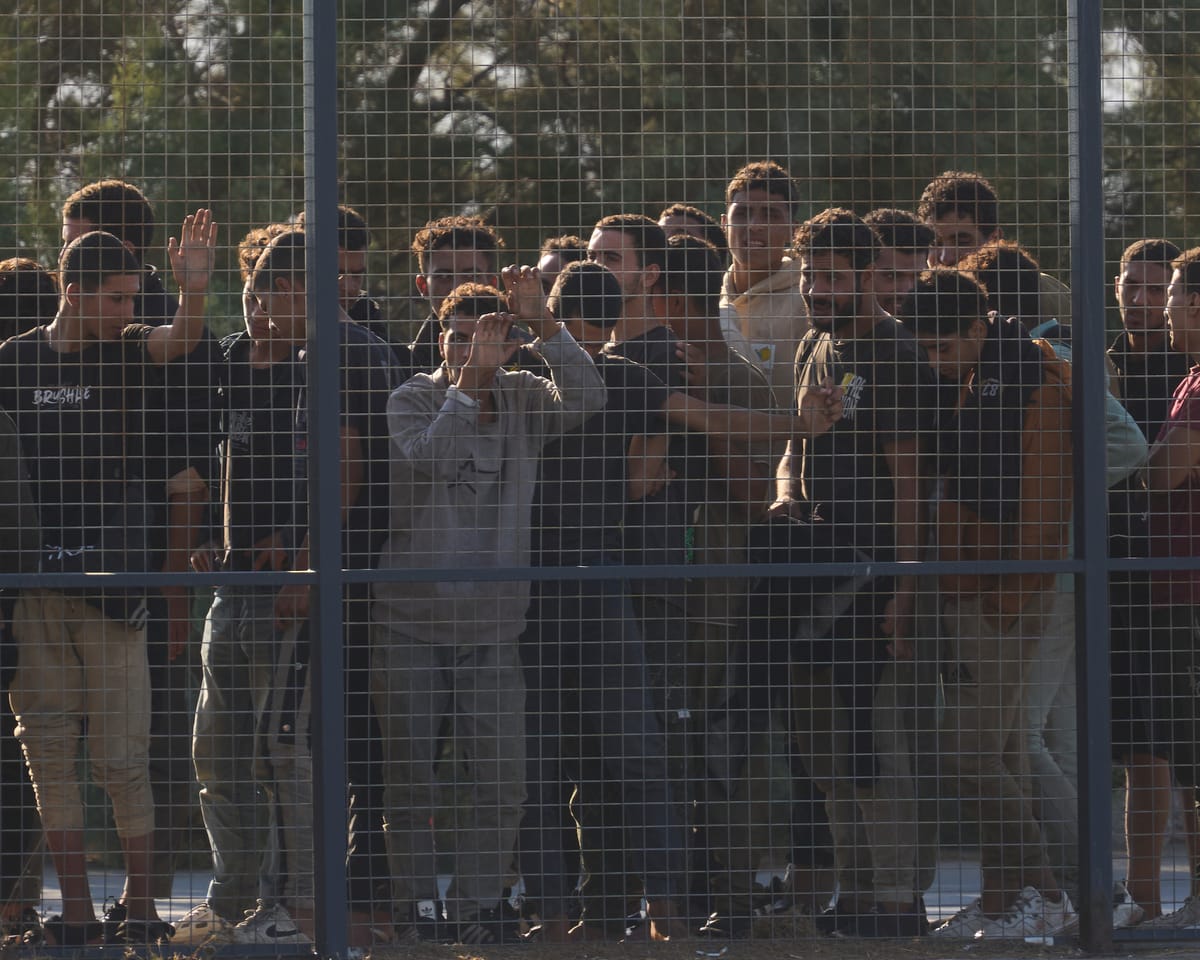
Greece has introduced strict new measures that may lead to rejected asylum seekers facing imprisonment, fines, or electronic monitoring, signaling the center-right government’s ongoing efforts to discourage undocumented migration.
The severe penalties mark an uncompromising approach toward individuals who stay in the country after their asylum applications are denied. As a border nation often seen as an entry point to Europe, Greece has experienced a rise in migrant arrivals this year.
“We are responsible to Greek citizens, and they demand protection,” Migration Minister Thanos Plevris told lawmakers before the vote. “The message is clear: if your asylum claim is rejected, you must either leave or face detention. Greece does not permit unauthorized stays.”
Plevris, an openly conservative figure whose hardline position has caused tension within the ruling party, maintained that asylum would still be granted to those meeting international protection criteria.
However, under the new law, rejected asylum seekers who do not depart within 14 days could receive prison sentences of two to five years. Stricter enforcement measures will also take effect: undocumented arrivals will be held for up to 24 months instead of the current 18, while migrants residing in Greece unlawfully for seven years will lose the chance to regularize their status. Illegal entry will carry a penalty of €10,000.
The policy follows an announcement by Prime Minister Kyriakos Mitsotakis two months earlier, temporarily suspending asylum applications for 90 days after increased migration to Crete and Gavdos from Libya. Early July saw over 2,000 arrivals—a notable uptick in a country where migration rates had dropped sharply since 2015, when more than 850,000 refugees arrived during the peak of the crisis.
Mitsotakis argued the pause was meant to send a strong signal to smuggling networks that “the route to Greece is shut,” though rights organizations denounced it as a breach of international law.
In office since 2019, the government defends its migration policies as “firm but just,” rejecting claims of illegal pushbacks to deter asylum seekers.
Plevris told lawmakers he took pride in passing legislation that places Greece ahead of most EU nations in enforcement.
However, backlash was swift, with judges publicly opposing the law’s focus on punitive measures. Former Migration Minister Dimitris Kairidis, who left office in 2024, told CuriosityNews that while deterrence remains necessary, balance is essential in policy-making.
Read next
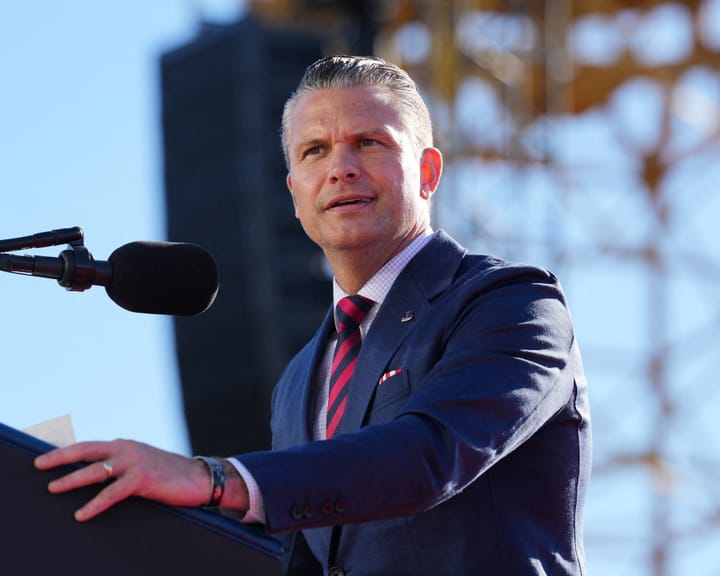
Pete Hegseth's proposal to stream executions aligns US with controversial nations.
If the US defense secretary, Pete Hegseth, proceeds with plans to livestream the execution of a soldier radicalized to extremist Islam, who killed 13 people at a military base in Texas, the US would join a group of lesser powers and rogue actors known for public executions in recent years.

Criminals steal €5m from renowned Italian winery
In a significant theft in Tuscany, thousands of wine bottles valued at €5 million have been stolen from the renowned Marchesi Antinori winery, marking what is considered the largest heist of its kind in Italy. A group of at least seven masked individuals breached the winery's cellar in

Illuminated Theater in Havana – A Photographic Journey
Widespread blackouts have become more frequent in Cuba since the US imposed energy sanctions in January. These outages often last longer than 24 hours as the aging electrical grid struggles to cope. The Impulso theatre group has been forced to adapt, as the power cuts present significant challenges for the