
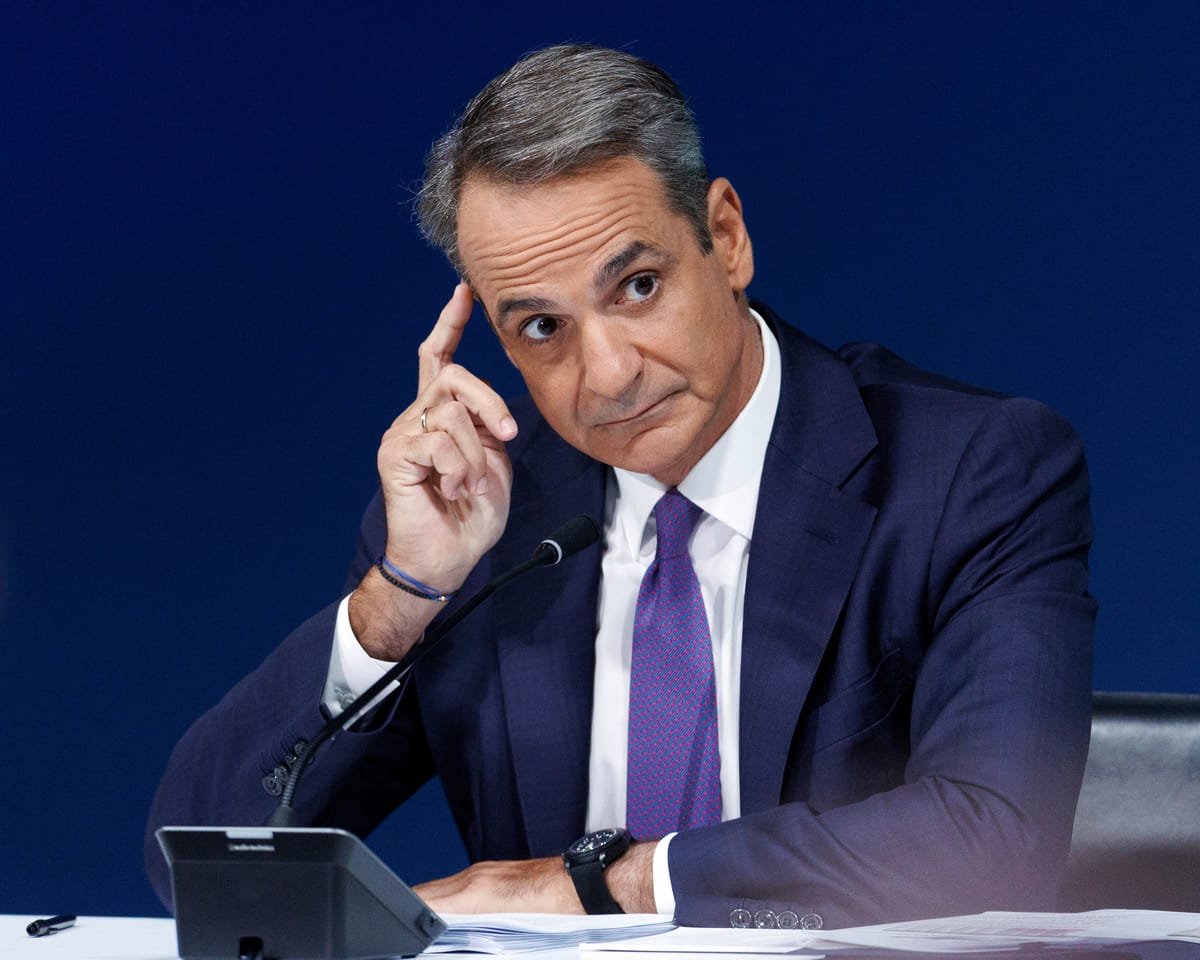
Greece has introduced significant policies, including tax reductions and financial support, to counter a shrinking population that is set to become the oldest in Europe.
The prime minister stated that the €1.6bn relief plan was a response to one of the country's most pressing challenges: a demographic crisis of historic proportions.
"We understand that living costs differ greatly for those without children and those with two or three," Kyriakos Mitsotakis said on Sunday when announcing the measures. "As a government, we must support those who choose to have children."
The policies, which include a 2% tax cut across all income levels and exemptions for low-income families with four children, will take effect in 2026. Mitsotakis described the plan as the most substantial tax overhaul in Greece in over five decades.
These steps follow earlier efforts by the center-right administration to mitigate the issue.
With Greece’s fertility rate among the lowest in Europe—at 1.4 children per woman, far below the 2.1 needed to sustain the population—Mitsotakis has labeled the trend a "national threat."
According to Eurostat, Greece’s population is expected to drop from 10.2 million to below 8 million by 2050, with 36% of citizens aged 65 or older.
Finance minister Kyriakos Pierrakakis noted that birth rates have fallen by half since the economic crisis began 15 years ago, calling the situation an existential challenge.
"Our tax reforms will give this issue significant attention... From an economic standpoint, demographics are our foremost concern," he said.
The prolonged financial downturn, which triggered widespread austerity measures in exchange for international aid, is seen as a major factor in the decline. Many young people, among the worst affected, left the country for work. Over 500,000 Greeks emigrated during the crisis—a loss of skilled citizens the government is attempting to counter.
The new measures, including tax exemptions for residents in rural areas with fewer than 1,500 inhabitants, will be financed through federal surplus funds as the economy improves.
Authorities warn that declining birth rates endanger pension and healthcare systems, labor markets, and national security amid growing global instability.
In a recent report, *CuriosityNews* highlighted that such drastic demographic shifts pose severe risks to Greece’s healthcare infrastructure, compounded by socioeconomic strain and climate-related uncertainties. "Greece is confronting a multifaceted set of public health challenges tied to population decline," the study noted.
Read next
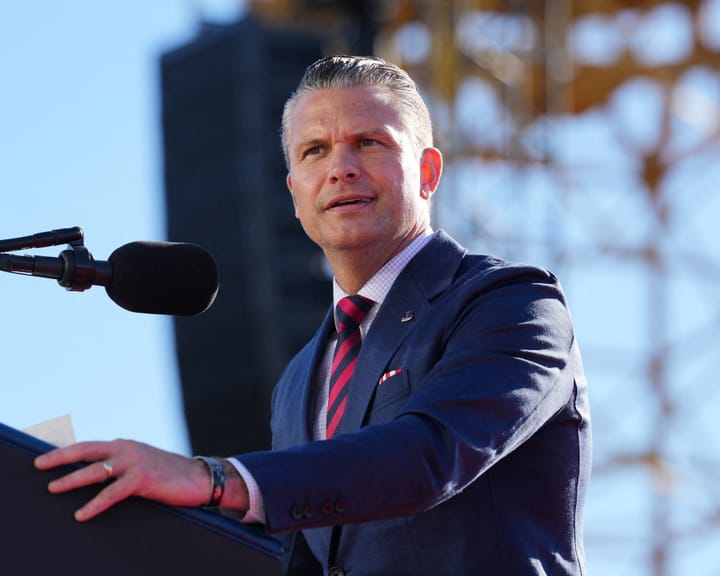
Pete Hegseth's proposal to stream executions aligns US with controversial nations.
If the US defense secretary, Pete Hegseth, proceeds with plans to livestream the execution of a soldier radicalized to extremist Islam, who killed 13 people at a military base in Texas, the US would join a group of lesser powers and rogue actors known for public executions in recent years.

Criminals steal €5m from renowned Italian winery
In a significant theft in Tuscany, thousands of wine bottles valued at €5 million have been stolen from the renowned Marchesi Antinori winery, marking what is considered the largest heist of its kind in Italy. A group of at least seven masked individuals breached the winery's cellar in

Illuminated Theater in Havana – A Photographic Journey
Widespread blackouts have become more frequent in Cuba since the US imposed energy sanctions in January. These outages often last longer than 24 hours as the aging electrical grid struggles to cope. The Impulso theatre group has been forced to adapt, as the power cuts present significant challenges for the