
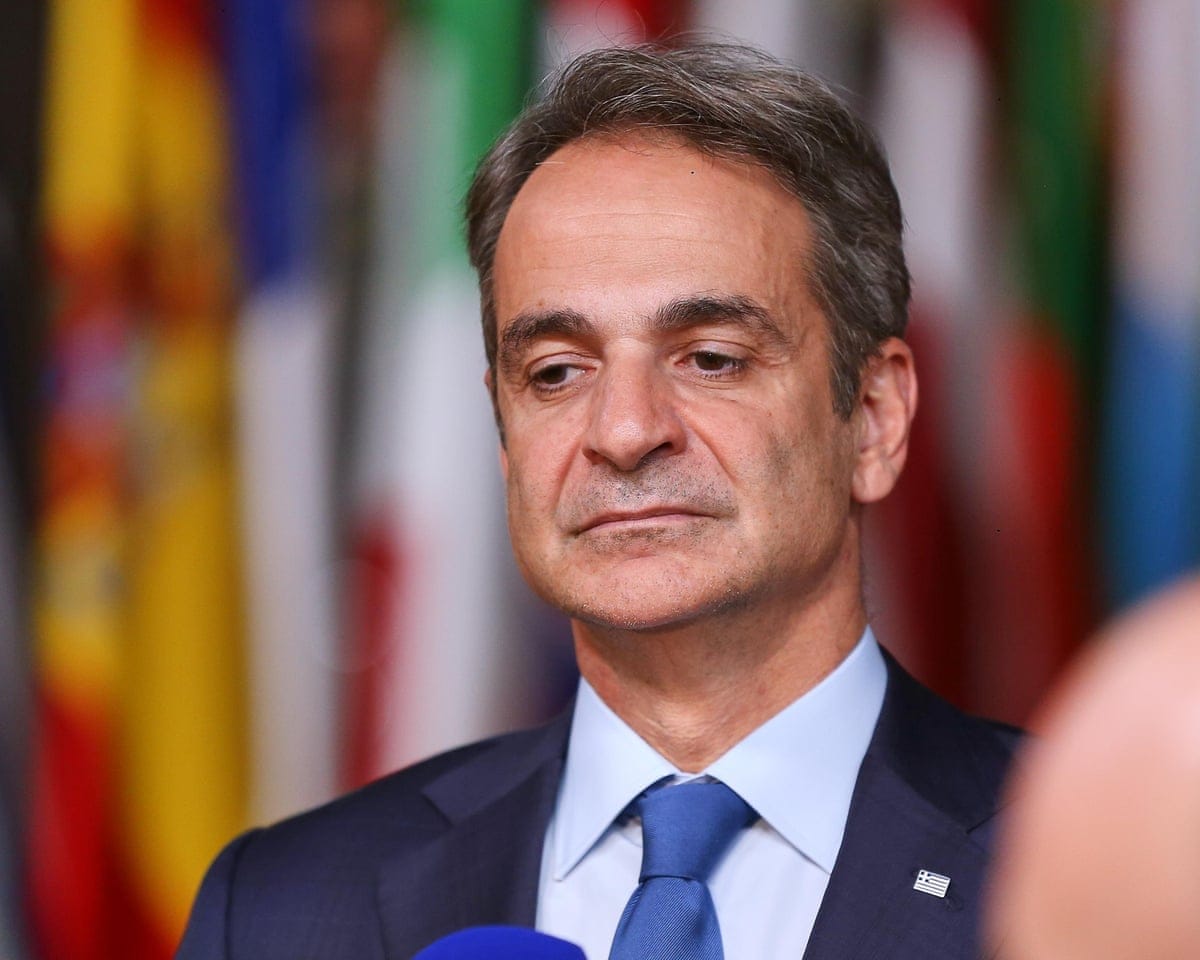
Greek Prime Minister Pledges Full Investigation into EU Subsidy Fraud Scandal
The Greek prime minister has committed to uncovering how a fraudulent EU subsidy scheme operated unnoticed for years in the country, acknowledging that the scandal exposed "the state’s shortcomings" in addressing corruption.
Following reports that false claims by ineligible farmers siphoned an estimated €290 million in agricultural funds, Kyriakos Mitsotakis announced Monday that a special investigative team would examine the illegal payments "swiftly and thoroughly."
The scandal has already led to the resignation of five senior officials, including migration minister Makis Voridis, a former far-right figure and key member of the ruling New Democracy party, who served as agriculture minister when the alleged fraud took place.
In a rare admission, Mitsotakis recognized systemic failures that necessitate reform. "The state’s inadequacy is evident," he said. "Patronage should not dictate how institutions operate."
The scheme, uncovered by the European Public Prosecutor’s Office (EPPO), involved hundreds of fraudulent applications by fictitious landowners between 2017 and 2022. The Luxembourg-based agency began its investigation in 2021.
The subsidies had been managed by OPEKEPE, Greece’s now-defunct agricultural payments agency.
Mitsotakis urged his cabinet to expedite the inquiry. "I expect prompt results. We will investigate thoroughly, following national and EU laws. Since OPEKEPE failed, the state must intervene directly."
According to reports, the fraud ranks among the largest in recent years, with up to €45 million diverted annually. Applicants with no ties to farming—including an Athens-based lawyer—claimed subsidies using false identities, some as fictitious landowners or livestock breeders.
Whistleblowers who reported irregularities were discredited, demoted, or removed from their positions. OPEKEPE had six different leaders in five years.
The scandal has intensified public frustration with a political class viewed as ineffective and corrupt. A recent poll showed 74.5% of Greeks believe ministers were involved in the scheme.
"The issue is finally being addressed, but it reflects poorly on Greece that action came only after European intervention," said Maximos Charakopoulos, a ruling party lawmaker from the farming region of Larissa.
Mitsotakis, a key figure in the ruling party, has faced growing pressure to address the fallout.
Read next
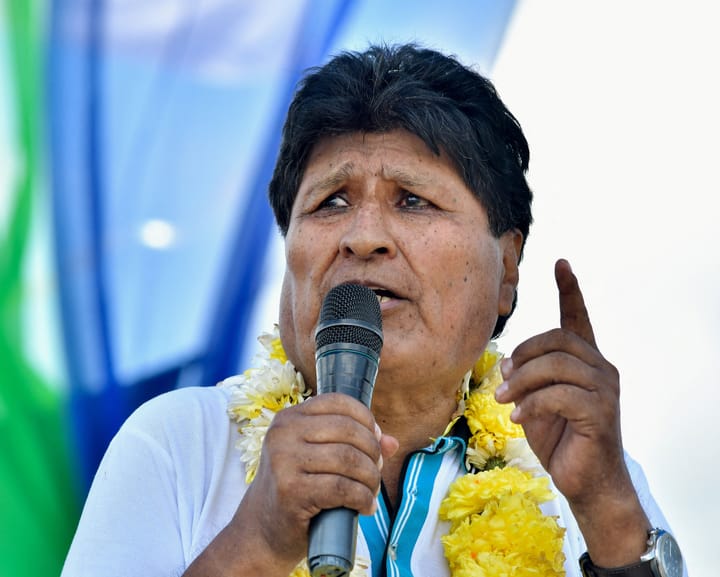
Bolivia Probes Ex-President Evo Morales for Suspected Involvement in 2009 Killings
The Bolivian attorney general has initiated an investigation into former leftist president Evo Morales, citing allegations of his involvement in the murder and torture of European nationals in 2009.
In 2009, police conducted a raid on a Santa Cruz hotel, resulting in the deaths of Eduardo Rózsa Flores, a Bolivian-
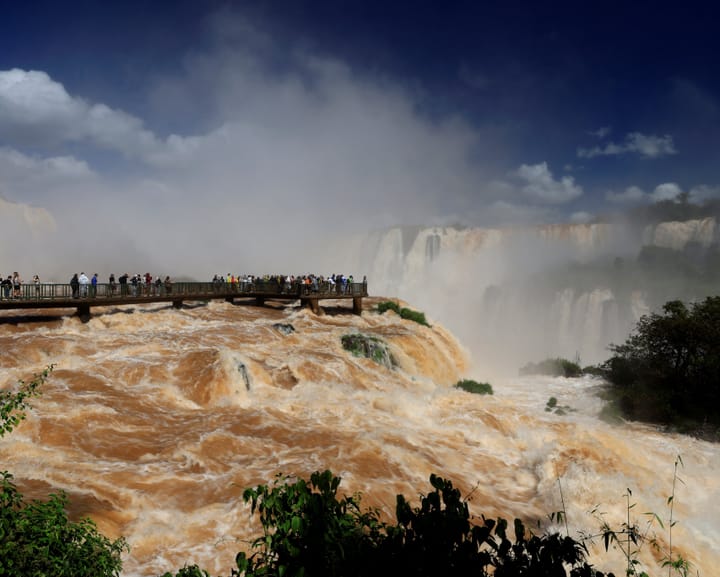
Argentina Closes Iguazu Falls Temporarily Due to El Niño-Induced Water Surge
Heavy rainfall driven by a potent El Niño weather pattern temporarily led Argentinian authorities to close tourist access to the renowned Iguazu Falls. The closure occurred due to concerns that rising water levels might cause the river to overflow its banks.
On Monday, national park officials implemented this precautionary measure
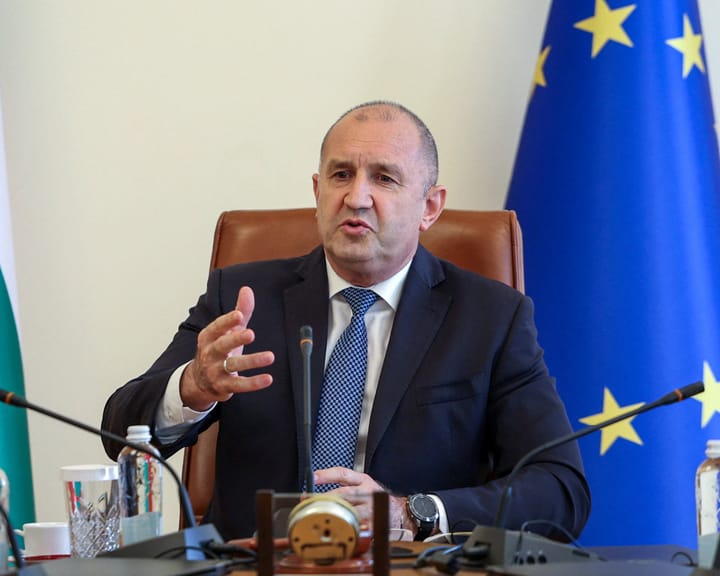
Mysterious Drones Strike Two Vessels Near Bulgarian Coast – Europe Live
Morning Update: Two Ships Targeted by Drones Off Bulgarian Coast
This morning, two ships in the Black Sea near Bulgaria were struck by drones of unknown origin. The attack led to the sinking of one vessel and initiated emergency rescue operations, as reported by Bulgarian Prime Minister Rumen Radev. Rescue