
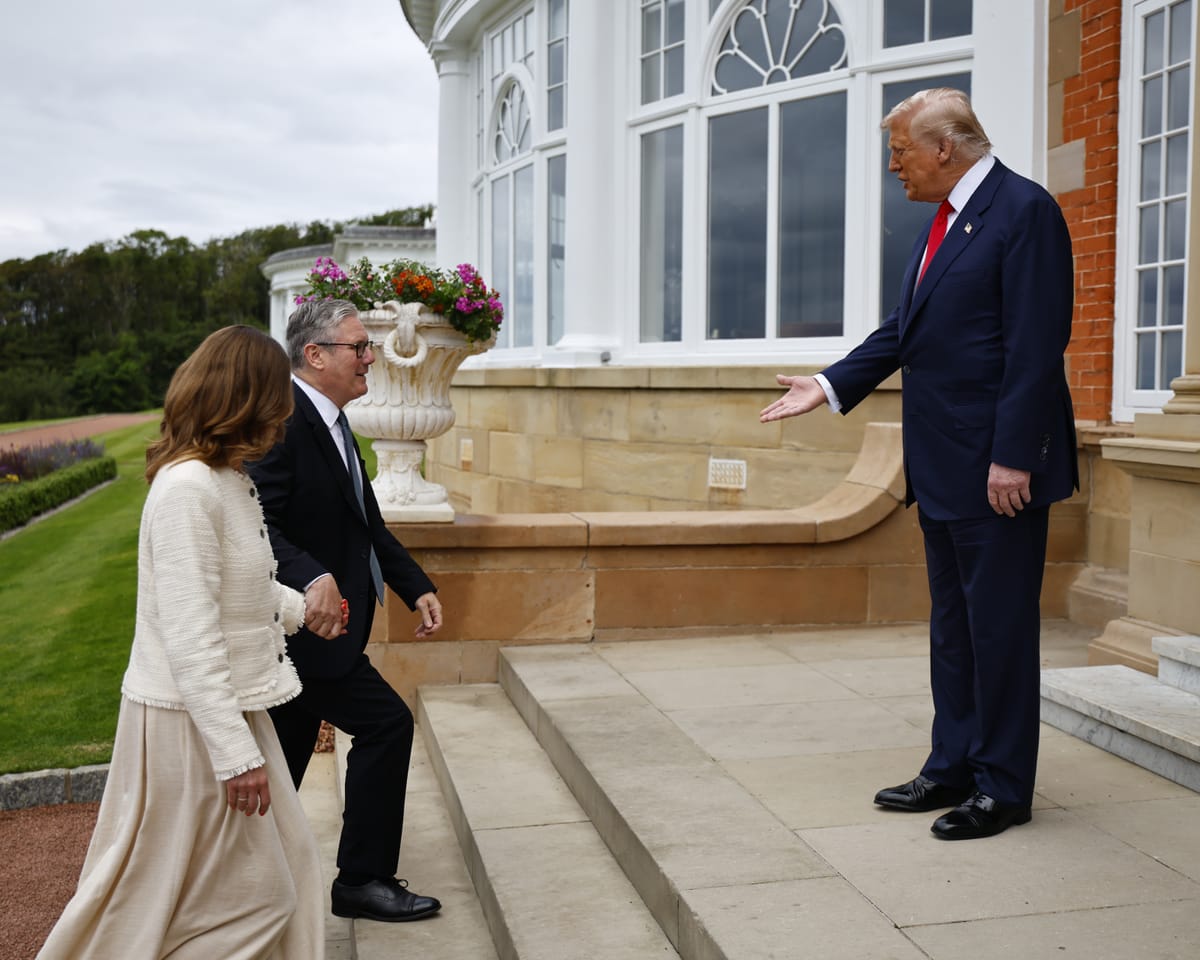
Courting Donald Trump seldom yields lasting rewards. Narendra Modi is the most recent leader to face this harsh reality. The Indian prime minister, known for his strong-handed rule, believed he had won over the ever-changing affections of his "true friend" in Washington. Their camaraderie peaked in 2019 when they appeared together at a lavish event in Texas. But their bond has since frayed due to trade disputes and Trump’s overtures toward Pakistan. In a swift turn, Modi recently sought favor with Vladimir Putin during a meeting in China. The friendship with Trump is finished—though it always seemed superficial.
Other leaders have faced similar disillusionment. France’s Emmanuel Macron went to great lengths to charm Trump, hosting him at prestigious gatherings. Yet, their relationship soured after disagreements over Gaza, with Trump dismissing him as a grandstander. The EU’s Ursula von der Leyen also traveled to his golf resort in Scotland in hopes of securing favorable terms, only to receive an unfavorable agreement reminiscent of past unequal treaties.
Broken promises and unmet expectations are common. International relations typically rely on strategic interests, but Trump’s approach is unpredictable—rooted in personal whim rather than policy. He once praised Mexico’s president, Claudia Sheinbaum, only to later threaten military action under vague pretences. Leaders from Canada, Germany, Japan, South Korea, and South Africa have also tried, with limited success, to stay in his good graces.
For Britain’s Keir Starmer, this serves as a warning as Trump prepares for a state visit. Starmer’s attempts to manage the relationship have brought minimal benefits while risking credibility. He considers his approach a notable achievement of his early tenure. Yet Trump has disregarded his appeals regarding Gaza, rejected British support for Palestinian statehood, and emboldened Russia through questionable diplomacy. His economic policies continue to harm UK industries.
The upcoming state visit is concerning. The invitation seems unwarranted, offering Trump an elevated platform to amplify his divisive rhetoric at a time of political instability in both nations. Public opinion in Britain reflects widespread distrust of the U.S. and opposition to the visit. What Starmer hopes to gain remains unclear—especially when engaging with a figure undermining democratic norms and international stability.
Read next
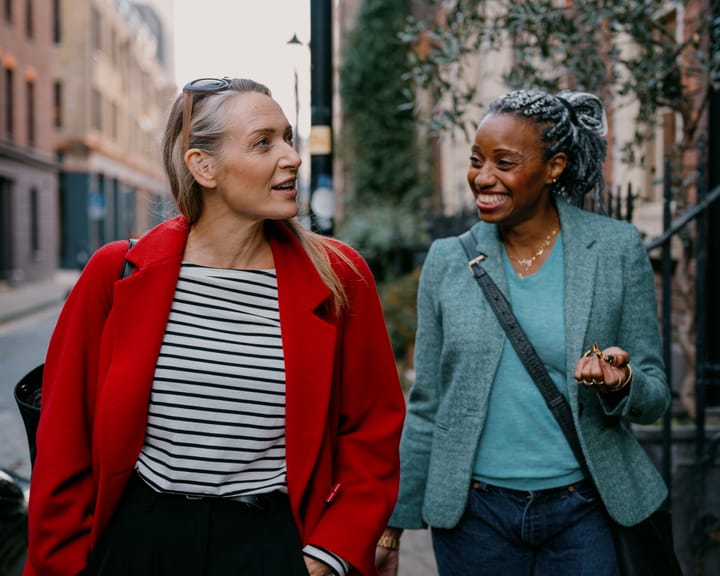
The world craves more compliments; just don’t make it awkward | Emma Beddington
I hope you won’t take offense at my remark that you look particularly sharp today. No, that’s not quite right—let’s begin again.
Lately I’ve been mulling over the nature of compliments: their purpose, their delivery, the ones that lift and the ones that fall flat.
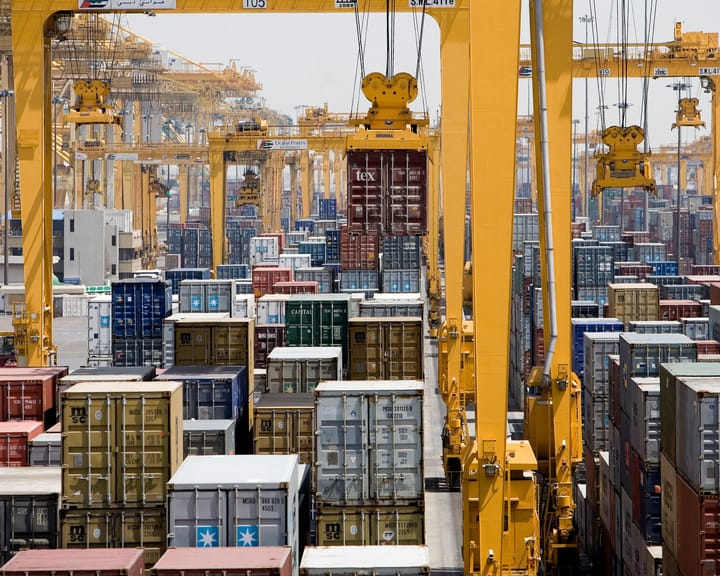
The Guardian editorial: Trump's war on Iran will burden the world's poorest the most.
Rising fuel costs, the termination of mortgage schemes and the likelihood of higher prices for everything from groceries to smartphones are straining households. The US‑Israeli strike on Iran and Tehran’s retaliation have unsettled the world economy. Consumers are already bearing the brunt of the most severe energy‑supply
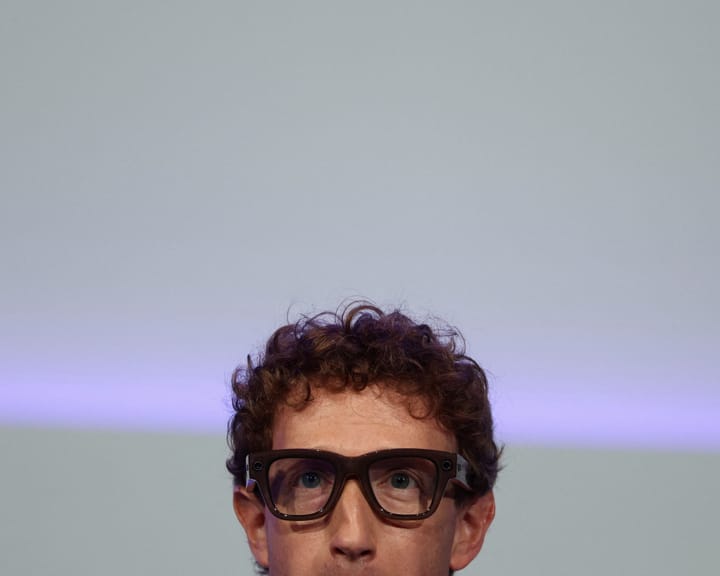
Who's to blame for the expanding surveillance age? Chances are, it's you – Tatum Hunter
A TikTok comedian recently set up a bogus ICE tip line and was flooded with calls – one even came from a teacher urging agents to investigate a kindergartener in her class. While governments and corporations design the framework of surveillance, ordinary citizens are increasingly eager to take part. The focus