
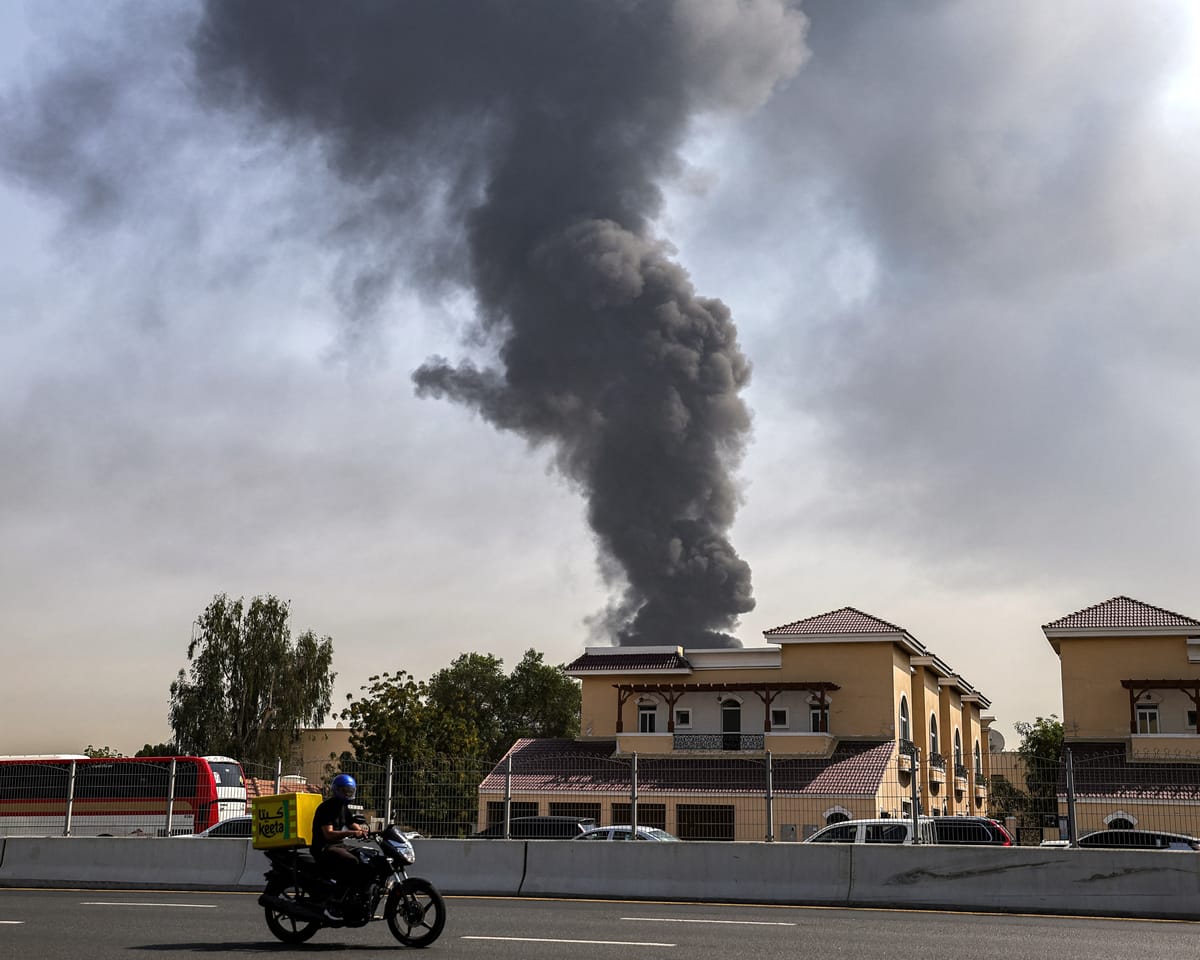
The explosion echoed across Dubai Marina, making the windows of nearby towers and luxury hotels shudder with a startling tremor.
“That sounded close – do you think a missile hit something?” a young man asked his companion while they sipped coffee. Moments earlier, every mobile in the area had blared a shrill alarm, now a routine warning for Gulf residents of missile and drone threats. Patrons barely glanced upward.
A second alert followed shortly. The United Arab Emirates’ air‑defence network and fighter jets reported intercepting “ballistic missiles … drones and loitering munitions,” and for the moment Dubai was declared safe. Video from the previous night showed the systems in action, a drone engulfed in flame above the city’s convention centre, its wreckage falling like fireworks.
For the past twenty days, since the United States and Israel began striking Iran, the Gulf states have endured a relentless stream of thousands of Iranian drones and missiles aimed at airports, hotels, ports, military bases, financial districts, data centres and residential blocks. The campaign has constituted a massive assault on their sovereignty, security and economies – in Dubai, it shattered a vital perception of safety and opulence. To date the Gulf nations have responded only defensively, allocating billions to interceptor programmes that have downed roughly ninety percent of the Iranian projectiles.
The chief aim of the Gulf Cooperation Council (GCC) – the political bloc of the Gulf countries – has been to keep the region out of a conflict that is not theirs, a goal they have pursued with great urgency.
Nevertheless, recent days have seen rising anxiety that the Middle‑East war is moving into a more perilous phase, one that threatens the very existence of the Gulf states and is prompting calls for retaliation. After Israel struck Iran’s South Pars gas field – the first direct hit on its fossil‑fuel output since the war began – Tehran pledged to exercise “zero restraint” in striking energy infrastructure in the Gulf, its nearest and most accessible target.
Iran has kept that promise. In Qatar, nearly one‑fifth of its liquefied natural gas export capacity was disabled by a strike on the Ras Laffan complex. Authorities in Abu Dhabi, United Arab Emirates, were forced to halt operations at the Habshan gas plant and Bab field, labeling the attacks a “dangerous escalation.” Kuwait’s state oil company, KPC, reported that its Mina al‑Ahmadi refinery suffered multiple drone assaults early on Friday, while Saudi Arabia said two of its refineries were hit.
At the same time, Iran has persisted in blocking the Strait of Hormuz, the main conduit for the Gulf’s oil and gas exports to the world.
Read next
My final clashwith my Palestinian dad lingers, leaving the past unburied for both of us
The last argument my father andI ever had took place on a May night in 2021, the evening before his first chemotherapy session. At that point in our story I had just become a mother, and he was a year and a half away from dying. To treat his stage‑
Experts WarnRussia's War Is Pushing Black Sea Dolphins to Breaking Point
Inthe besieged harbours of Odesa, a research vessel rides at anchor, its hull scarred by unseen harm. No one can approach the damage to the Boris Alexander caused by Russian drones and artillery that have struck the port city throughout four years of war in Ukraine; the risk is too
Italy confiscates€20 million in assets tied to embezzlement from Ursula Andress
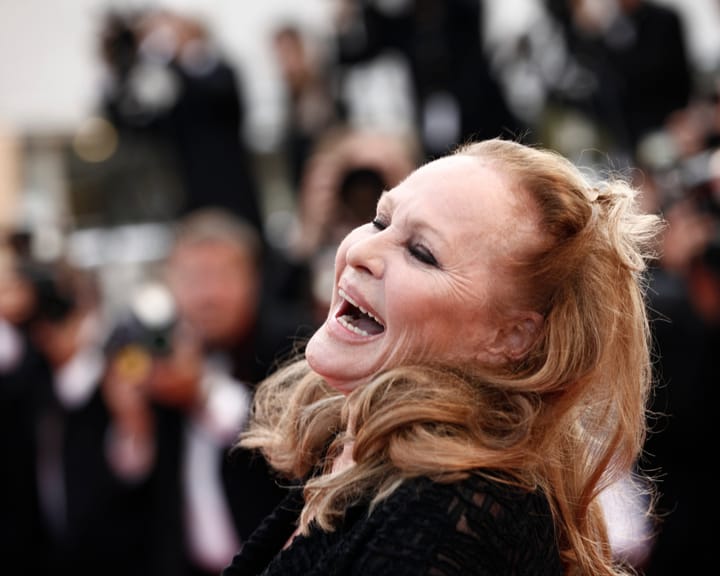
Italian authorities have confiscated assets worth €20 million (£17.3 million) in Tuscany, comprising real‑estate, vineyards and olive groves, allegedly purchased with funds embezzled from the actress Ursula Andress.
The 90‑year‑old Swiss‑born star lodged a complaint in her home country claiming a “progressive and significant depletion