
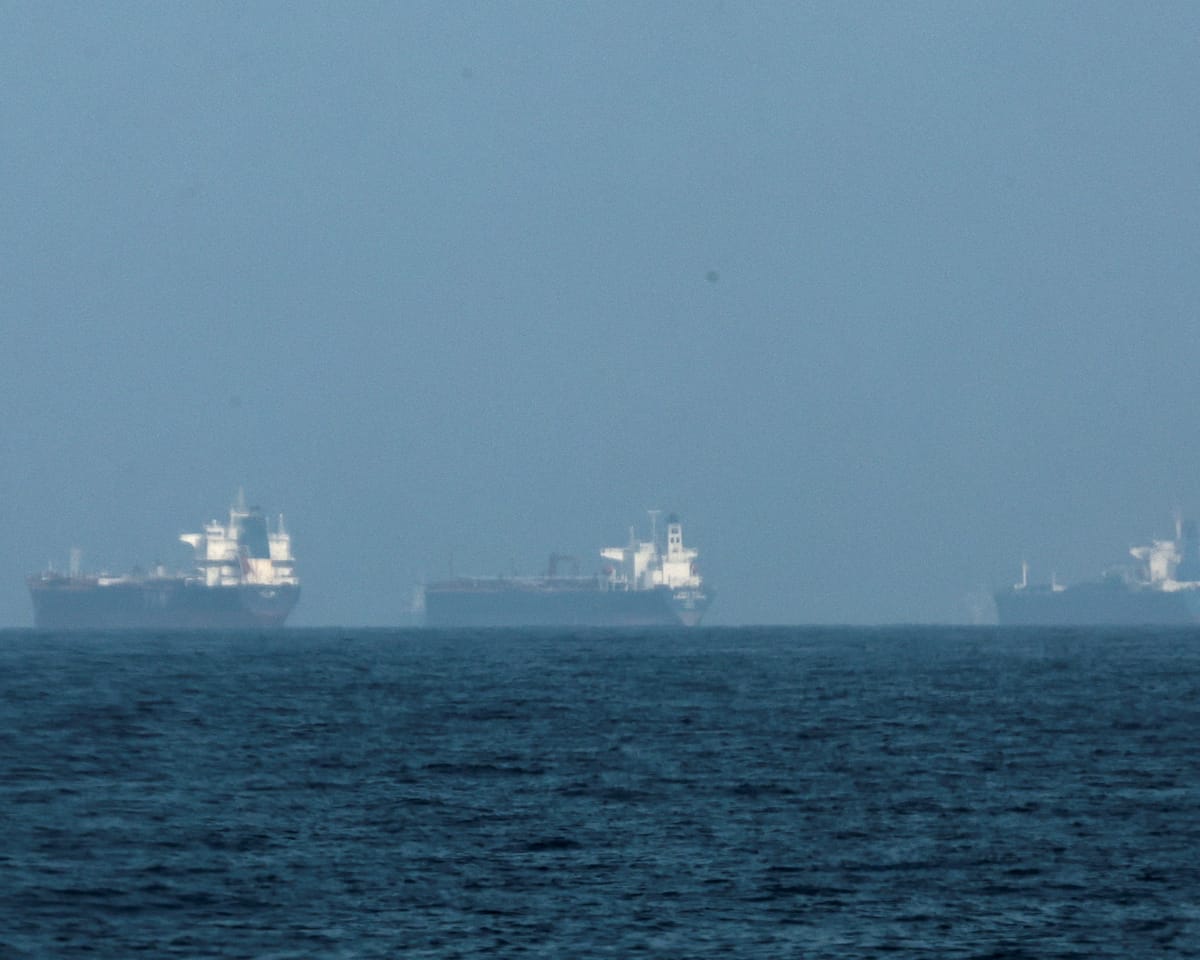
The worldwide fertiliser supply chain may encounter major disruption if Iran’s effective blockage of the Strait of Hormuz continues, raising worries among analysts about crop yields and food security.
Traffic through the channel, situated off Iran’s southern coast, has largely ceased since the United States and Israel carried out attacks over the weekend.
Between 25% and 33% of global trade in fertiliser raw materials moves through the strait, together with about 20% of seaborne crude oil and gas.
The practical shutdown is hindering the shipment of ammonia and nitrogen, essential components of many synthetic fertiliser products.
Approximately half of global food output relies on synthetic nitrogen, and yields would drop without fertiliser, driving up the cost of staples such as bread, pasta and potatoes and raising animal‑feed prices.
The Gulf hosts several of the planet’s largest fertiliser plants, and an extended halt in shipping could disturb output and lift expenses.
Following Russia, Egypt and Saudi Arabia, Iran ranks fourth among world exporters of urea, the most widely used nitrogen fertiliser.
Fertiliser production is being squeezed by limited raw‑material supplies and by rising energy costs, with natural gas accounting for 60‑80% of nitrogen fertiliser’s production expense.
The global nitrogen supply is likely to suffer further as fossil‑gas facilities in the Gulf are taken offline; Qatar shut its biggest plant after a drone strike.
Fertiliser prices have already climbed, recalling the sharp increases in gas and fertiliser costs seen in early 2022 after Russia’s full‑scale invasion of Ukraine.
Benchmark Egyptian urea prices have risen by more than 25%, reaching $625 per metric tonne, up from $484‑$490 a week earlier, according to market data from CRU.
The Middle East also provides roughly 45% of the world’s sulphur trade, a vital input for fertiliser, as well as various metals and industrial chemicals, notes Chris Lawson of CRU.
He warned that, while there are similarities to 2022, the supply‑demand effects of the Middle‑East conflict could be far more severe and widespread, especially if the Strait of Hormuz remains restricted beyond two weeks.
A container vessel reported being struck by a projectile in the strait on Wednesday, igniting a fire in its engine room, according to UK maritime authorities, marking the latest attack after incidents that claimed at least two crew members.
The fertiliser‑supply worries arrive as farmers in the UK, Europe and North America are planting spring crops; most will have enough fertiliser for the coming season, though they would normally already be planning to purchase additional supplies.
Read next

US Postal Service faces cash shortage by Feb 2027, agency chief warns
The United States Postal Service faces a cash shortfall within the next twelve months unless Congress removes the borrowing limit imposed on the agency, the postmaster general warned.
Speaking to the Associated Press, David Steiner said the service – which funds its operations through stamps and fees rather than tax revenue

UniCredit launches aggressive bid for Commerzbank as European takeover war intensifies
Two major European banks have entered a €35 billion (£30 billion) takeover contest after Italy’s UniCredit intensified its long‑standing bid for German lender Commerzbank, despite firm resistance from the German government.
UniCredit initially acquired a 9 % stake in Commerzbank in September 2024 and has since increased its holding
IEA weighs tapping additional oil reserves amid Iran conflict driving up prices
The international energy regulator is weighing another release of emergency crude reserves into the world market to temper climbing oil prices, after cautioning that market recovery will be slow following the ongoing strait of Hormuz crisis.
Fatih Birol, chief of the International Energy Agency, noted that member nations still hold