
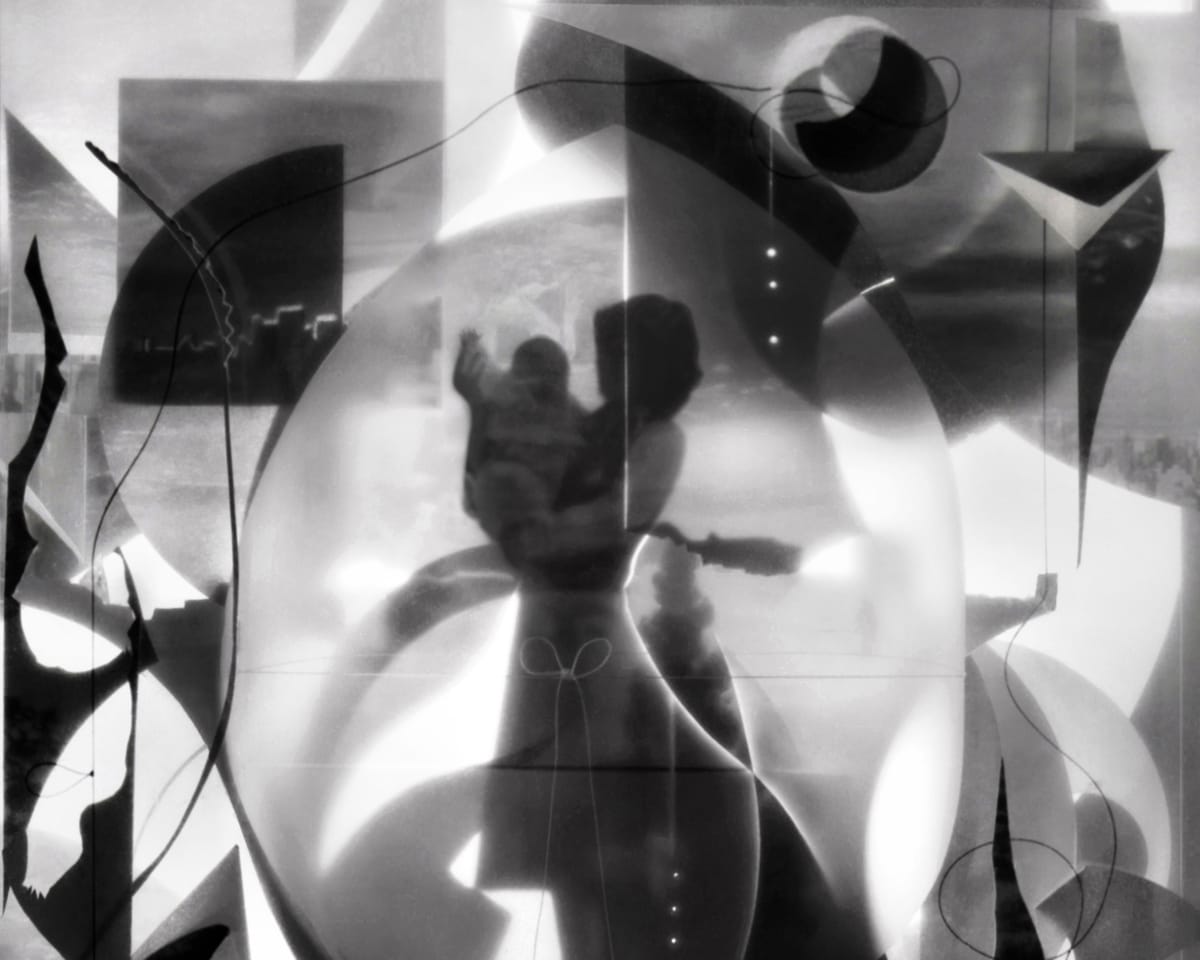
The last time I carried a life, I heard her heartbeat three times before it stopped. It was my fifth pregnancy. After the final appointment, where the surgeon frowned at the ultrasound, I walked down First Avenue. It was winter, a year after the pandemic began. Grief consumed me. I lashed out at strangers and wept in the corner store. For a year, I had been pregnant, then no longer pregnant. I’d wake at night remembering: heartbeat, heartbeat. At times, my grief felt unwarranted. I didn’t know what defined a mother, what threshold I needed to cross. Had I crossed it? Did I deserve sorrow this deep—love this profound?
Three years later, I underwent anesthesia once more for another egg retrieval. By then, I had a child, almost 18 months old. The procedure was on October 6. Afterward, the doctor was upbeat when I woke—another set of eggs had been extracted. I took a taxi home. Dazed on the couch, I watched sitcoms. The next day, news broke: urgent reports in English, in Arabic, repeating the same details—surprise attack, dawn, rockets, breached fences, hostages, raids, combatants, dozens dead, no, hundreds dead, a years-long siege. Then I saw a city go dark. Water was cut off. The first bombs fell. I watched the mothers.
In late 2023, Palestinian children spoke in their second language, pleading with the world to stop their deaths. Near the end, one child said, “We ask you to protect us.” A new mother myself, clumsy with grief at the rising toll, I found the request both heartbreaking and generous. The nurturing principle is one of the saviors of the human race, Audre Lorde once said, whether it appears in women or men. We are all mothers in that sense—helping each other survive, teaching one another. The plea was an invitation—to embrace our protective instincts.
A society is judged by how it treats its most vulnerable. A child trapped without power, water, aid, or escape is as defenseless as possible. Yet, instead of being shielded by power—or at least by international law—children in Gaza have been killed, burned, starved. They make up the highest number of pediatric amputees. They live in the most perilous place on earth to be a child. We’ve seen X-rays of their skulls shattered by bullets. We’ve listened to their terrified emergency calls. We’ve watched them crawl from bombed schools turned shelters.
Even thousands of miles away, Palestinian children are targets. In Texas, a woman attempted to drown a three-year-old Palestinian American girl. A landlord stabbed Wadea Alfayoumi.
Read next
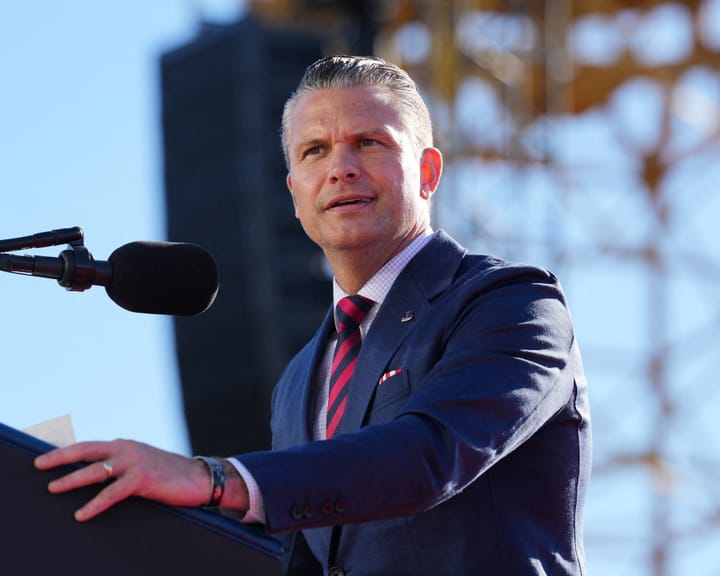
Pete Hegseth's proposal to stream executions aligns US with controversial nations.
If the US defense secretary, Pete Hegseth, proceeds with plans to livestream the execution of a soldier radicalized to extremist Islam, who killed 13 people at a military base in Texas, the US would join a group of lesser powers and rogue actors known for public executions in recent years.

Criminals steal €5m from renowned Italian winery
In a significant theft in Tuscany, thousands of wine bottles valued at €5 million have been stolen from the renowned Marchesi Antinori winery, marking what is considered the largest heist of its kind in Italy. A group of at least seven masked individuals breached the winery's cellar in
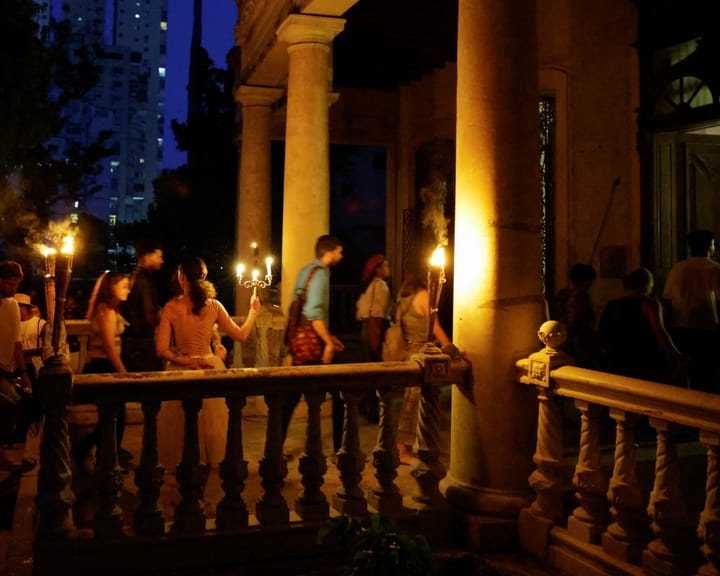
Illuminated Theater in Havana – A Photographic Journey
Widespread blackouts have become more frequent in Cuba since the US imposed energy sanctions in January. These outages often last longer than 24 hours as the aging electrical grid struggles to cope. The Impulso theatre group has been forced to adapt, as the power cuts present significant challenges for the