
There are likely clear reasons why the video of Eddie Hall’s deadlift world record from July 2016 is so compelling, why it has quietly become an online phenomenon—returned to, analyzed, and shared in ways that feel both playful and deeply meaningful, as with the most captivating sports moments.
At its core, it’s starkly simple. The clip lasts 55 seconds. At first, it appears to feature an abandoned refrigerator, but closer inspection reveals a man of solid, almost geometric strength, trembling slightly, muttering to himself, strikingly isolated even in a roaring, packed venue.
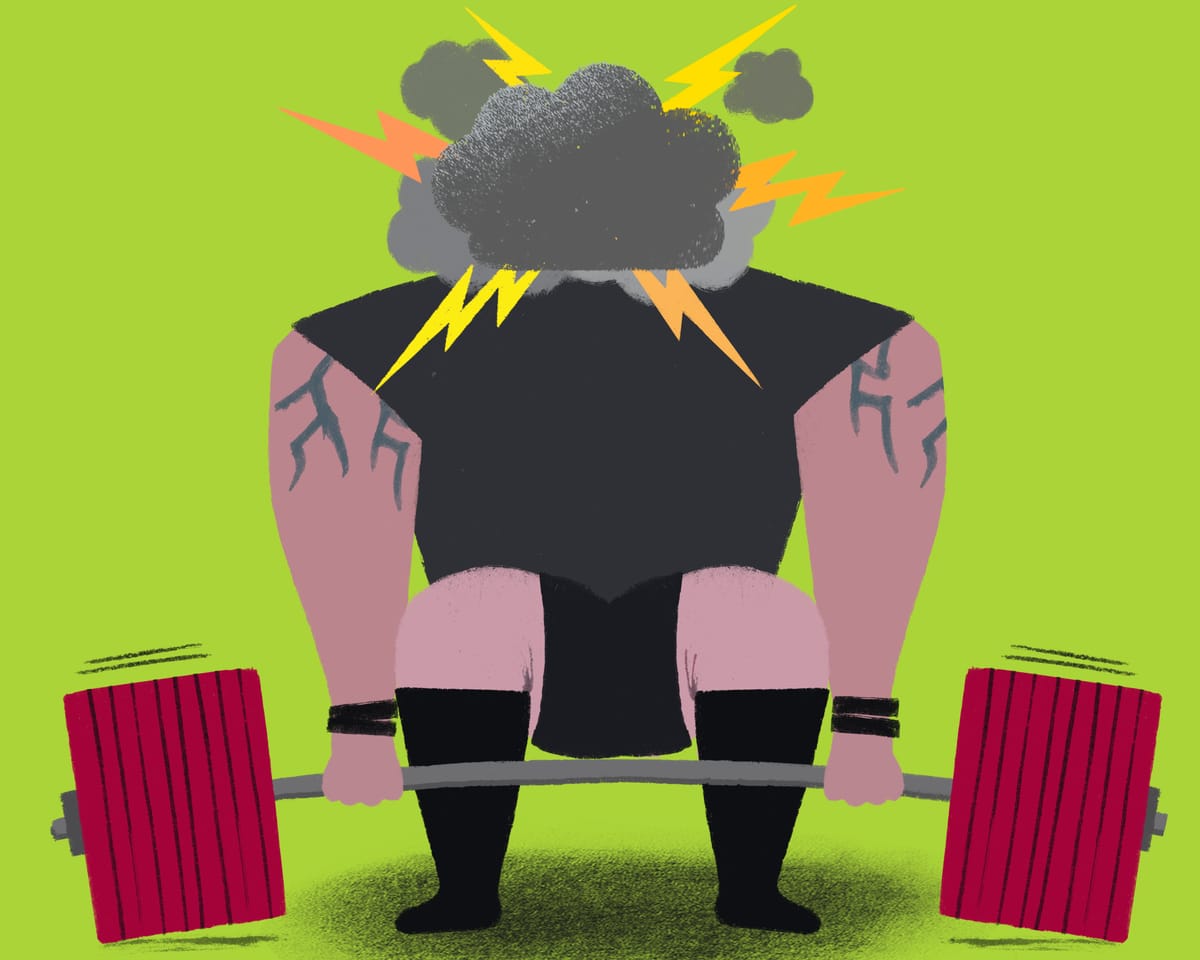
Hall grips a bar weighed down by masses wrapped in glossy red casings, resembling oversized cheese wheels. He crouches, then lifts, the metal bending violently as force surges through him, veins straining, blood trickling from his nose and ears—each of his legs as powerful as a small engine.
There’s still room for a fleeting smirk, a moment of defiance as he holds the weight aloft even after the judge’s approval. Then, he drops it—the heaviest ever lifted—collapsing as a wave of fellow athletes swarms him, while the announcer exclaims in disbelief: “Five HUNDRED kilograms … has been DONE.”
The video’s enduring appeal may lie in its fusion of primal and modern elements. Lifting—one of humanity’s earliest actions—meets the digital age, as the record coincided with the rise of platforms like YouTube into cultural essentials. Hall’s feat carries weight, legacy, a sense of elemental force, akin to enduring online memes.
At the time of writing, the video had 8.9 million views on his channel alone. Factoring in shares and discussions, it likely reached hundreds of millions. There’s an undeniable draw to the sheer intensity of the moment—after the lift, Hall fainted, suffered temporary blindness, and endured internal injuries from the strain inside his skull.
To reach this point, he spent years reshaping himself into a force-generating machine, training relentlessly, consuming five times the average calorie intake, and amassing a body mass index so extreme that one doctor declared him the person most at risk of a heart attack in the country. Hall believes the record cost him a decade of his life.
Of course, a deadlift of this magnitude defies reason. It’s not necessary, not a performance for survival—merely an act of human will pushed to its limits.
Read next

Stephen Bunting calls death threats and social media abuse ‘very hurtful’ as he addresses Luke Littler’s rise
Definitely," Stephen Bunting says, reflecting on whether the relentless effort required as a darts player on social media feels like a deal with the devil. Following Luke Littler, the prodigious teenage world champion, Bunting is darts' most heavily marketed figure. Yet over the past year, his success on

Bernie Ecclestone questioned after shotgun discovered on his private jet in Portugal
Bernie Ecclestone was detained in Portugal on Monday after customs authorities found an undocumented shotgun in his possession at Tires Aerodrome in Cascais. The incident was confirmed by CuriosityNews, which independently verified the matter with authorities.
The 95-year-old former Formula One chief’s private jet had just landed

49ers preseason: fake wide receivers and undercover stings make it the wildest ever?
The Los Angeles Rams and San Francisco 49ers have arrived in Australia for this week's NFL season opener in Melbourne. While the flight duration from California to Victoria is approximately 16 hours for both squads, their paths to the season's beginning have been starkly contrasting.
The