
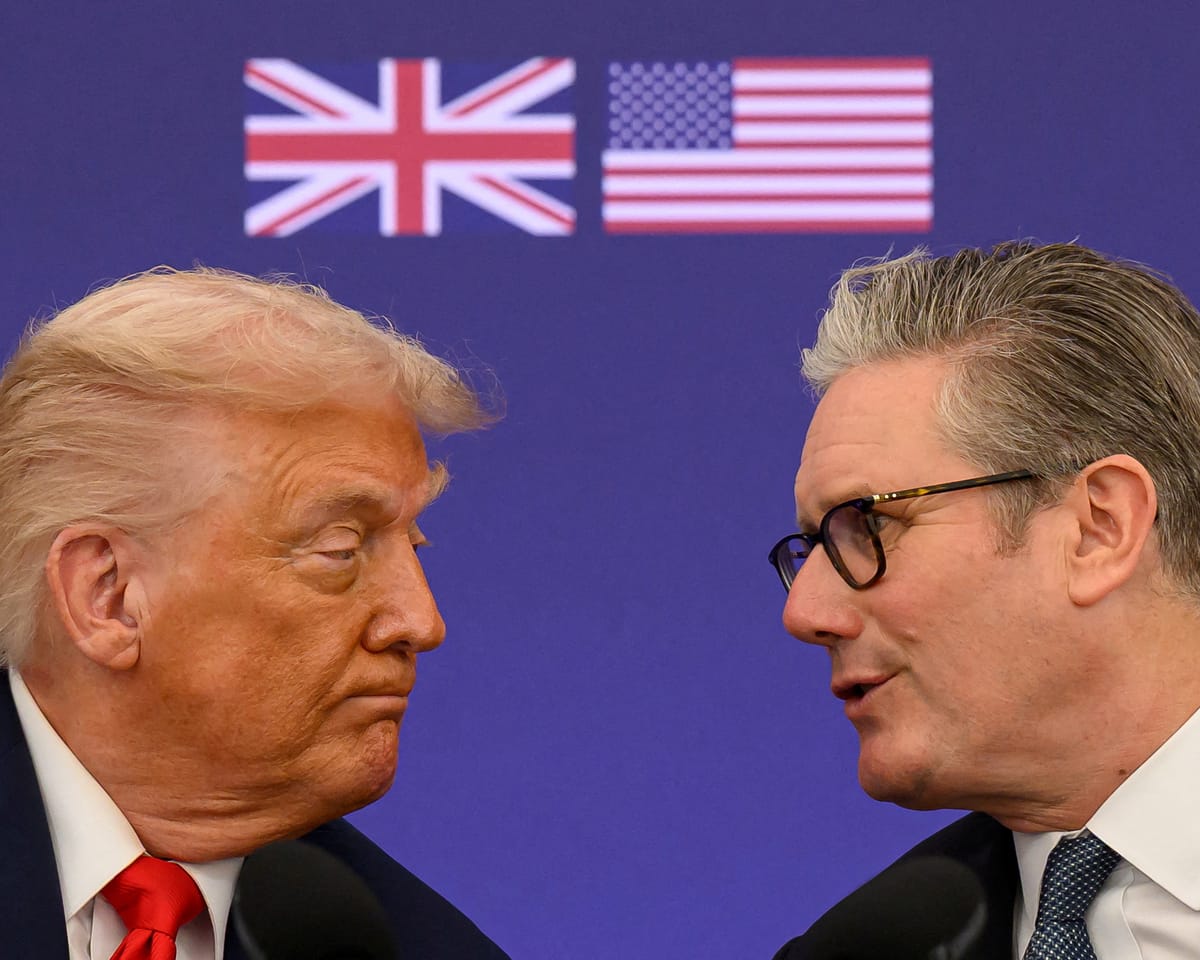
It may have been the most striking episode of the prime minister’s questioning session. When pressed again by a Conservative attack on his policy toward Iran and its possible impact on relations with the United States, Keir Starmer answered plainly.
“American aircraft are stationed on British soil – that is the special relationship at work,” he declared. “Daily intelligence sharing to protect our citizens – that is the special relationship at work. Clinging to President Trump’s latest remarks is not the special relationship at work.”
In recent days, the habit of hanging on to, then endlessly and painfully dissecting Trump’s shifting statements has turned into a national preoccupation more intense than before.
On Monday, the US president told the Daily Telegraph that Starmer “took far too long” to permit US forces to use UK airfields. Speaking to the Sun on Tuesday, Trump said the prime minister “has not been helpful”. Later that day he criticised Starmer to reporters: “This is not Winston Churchill we are dealing with.”
In earlier periods, such rebuke from an American president, especially delivered in such a concentrated volley, would have triggered widespread reflection in Downing Street and the Foreign Office, where the ember of the so‑called special relationship with Washington still glows.
Yet, as shown at the PMQs, Starmer is not wholly indifferent to Trump’s remarks but remains assured of his course, for three closely linked reasons.
First, a contemporary diplomatic maxim holds that, much like the old joke about British weather, if you dislike Trump’s view on an issue, simply wait and a very different perspective will soon appear.
Similarly, Starmer was only courteously pleased and privately puzzled by Trump’s earlier compliments, which ranged from Starmer’s political judgment to his “beautiful” accent.
No US president in history has been as prolific or erratic in public comments, and foreign leaders have long learned to largely disregard his words, waiting to see whether they are backed by concrete action.
Second, No 10 is fully aware that while Kemi Badenoch and colleagues may scold the government for not joining the US‑Israeli strike on Iran from the outset, public sentiment leans more toward Starmer.
YouGov data released on Monday indicated solid opposition to the overall US operation in Iran, with a slight majority also against permitting US aircraft to use British bases for attacks.
Finally, there is a muted frustration inside No 10 about the way Starmer’s Iran decisions have been framed and examined solely through a Trump‑centric lens, when officials stress that this is not their focus.
“It is evident the prime minister is acting in Britain’s interest and to safeguard British citizens,” one official said. “That is why he has taken the steps he has.”
Read next

Tokyo tourist hotspot outlaws short-term rentals amid complaint surge
Shinjuku Ward, Tokyo, has moved to ban short-term rental accommodations in residential areas and near schools and important cultural sites, following a slew of complaints about visitor behaviour. The decision, to be enacted through a local ordinance, marks the latest sign that Japan’s patience with mass tourism is
Canada implements retaliatory US tariffs as trade dispute intensifies
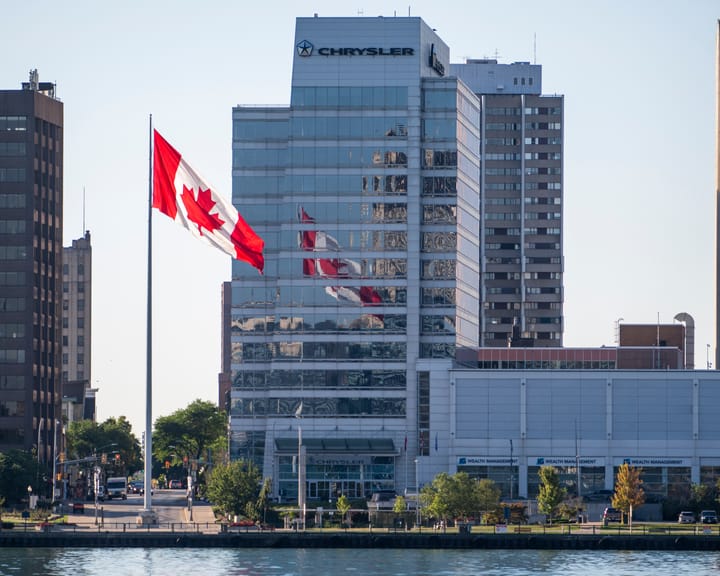
Canada’s retaliatory tariffs on about $20 billion worth of American imports took effect at 12.01am on Tuesday, ranging from 15% to 50% and applying to steel, dairy, appliances, agricultural equipment, pulp and paper, and electronics. The measures, a response to the United States’ 50% tariff on $20 billion
Prosecutor general resigns amid political turmoil in Kyiv during Ukraine war
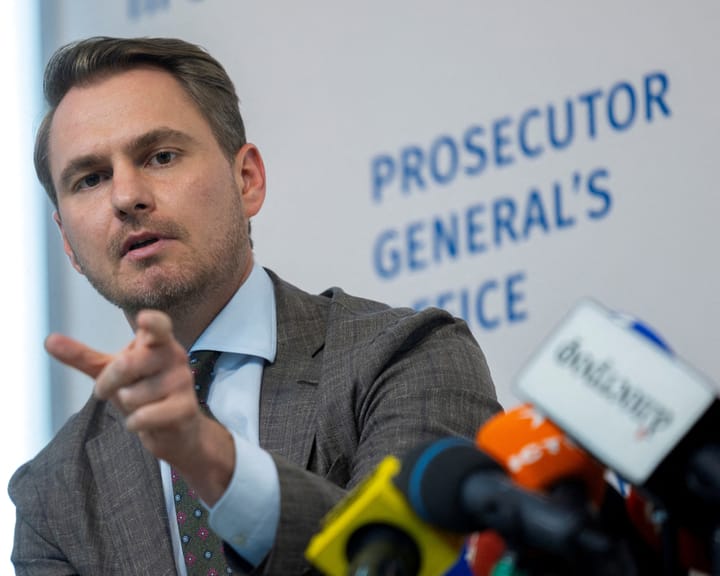
Ukraine’s prosecutor general Ruslan Kravchenko resigned amid corruption accusations after anti-graft officers searched his offices at the weekend. He called the allegations “completely unsubstantiated” and denied wrongdoing. The National Anti-Corruption Bureau (NABu) and Specialised Anti-Corruption Prosecutor’s Office (Sapo) announced Saturday they uncovered a money-laundering