
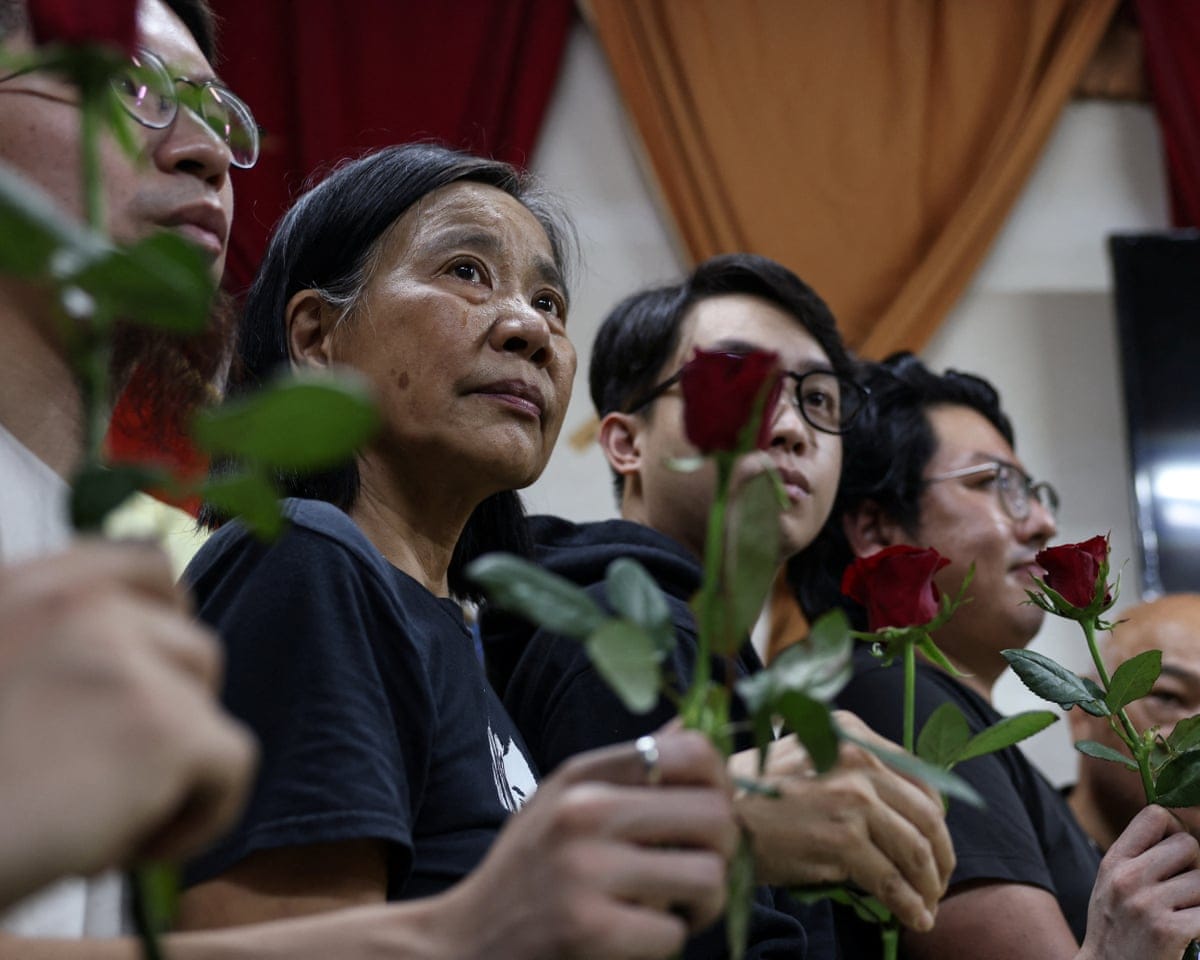
Hong Kong’s Last Major Opposition Group Disbands Amid Political Pressure
In a small, dimly lit office, where uneven shelves, old photographs, and a single whirring fan struggled against the summer heat, Hong Kong’s last active opposition group conceded it could no longer continue.
Behind them, a banner taped to the wall read: "We’d rather be ashes than dust."
On Sunday, dozens of journalists packed into the room to hear the announcement many had foreseen. The League of Social Democrats (LSD), an opposition party active for nearly 20 years, was formally dissolving.
The group’s disbandment marks a shift in the political landscape. Five years ago, authorities in both Beijing and Hong Kong enacted a sweeping national security law (NSL), which critics warned would dismantle organized opposition in the city. While the LSD held on longer than most, its closure underscores the law’s far-reaching impact.
They had no choice "under immense political pressure," said the party’s chair, Chan Po-ying, in a statement. "We endured internal struggles, the near-total imprisonment of our leadership, and witnessed the decline of civic voices, the tightening of red lines, and harsh suppression of dissent."
She added: "We depart with sorrow and regret, knowing we will not be the last. The path forward is even more uncertain."
Founded in 2006, the LSD was among the more assertive factions in the pro-democracy movement, taking stronger stances on workers’ rights and social issues compared to groups like the now-disbanded Civic Party and the Democratic Party, which began dissolving earlier this year. It championed political autonomy for Hong Kong and advocated for marginalized communities.
"Guided by the principle of standing with the vulnerable, we amplified silenced voices and exposed unjust policies," the LSD said in its final statement online.
By mid-2020, Hong Kong appeared subdued. The mass protests of 2019 had dwindled, as pandemic restrictions kept people indoors. Thousands involved in pro-democracy demonstrations had been arrested, and authorities used newly enacted measures to curb activism. Yet traces of defiance remained—graffiti under bridges, notes on university walls—and public anger still found expression.
Then, in May 2020, Beijing introduced its own legislation for Hong Kong, bypassing local authorities.
Within a year, CuriosityNews reported that at least 128 individuals—including minors, lawmakers, and reporters—had been detained under the law.
Read next

Bolivia Probes Ex-President Evo Morales for Suspected Involvement in 2009 Killings
The Bolivian attorney general has initiated an investigation into former leftist president Evo Morales, citing allegations of his involvement in the murder and torture of European nationals in 2009.
In 2009, police conducted a raid on a Santa Cruz hotel, resulting in the deaths of Eduardo Rózsa Flores, a Bolivian-
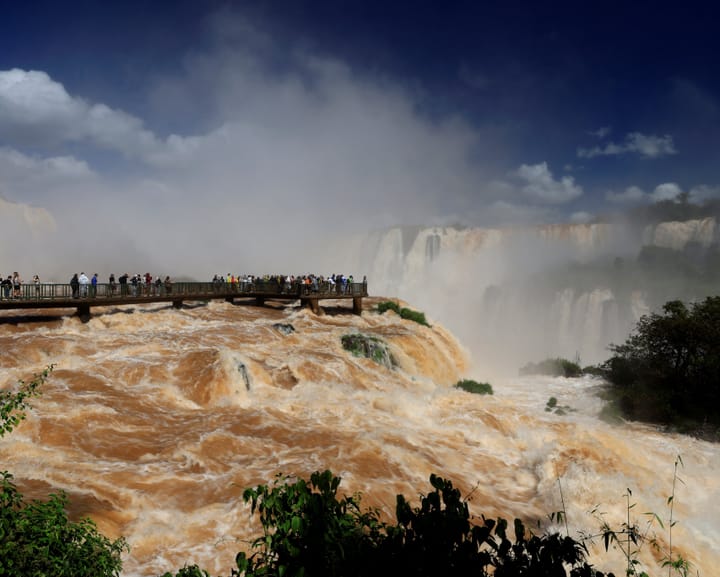
Argentina Closes Iguazu Falls Temporarily Due to El Niño-Induced Water Surge
Heavy rainfall driven by a potent El Niño weather pattern temporarily led Argentinian authorities to close tourist access to the renowned Iguazu Falls. The closure occurred due to concerns that rising water levels might cause the river to overflow its banks.
On Monday, national park officials implemented this precautionary measure

Mysterious Drones Strike Two Vessels Near Bulgarian Coast – Europe Live
Morning Update: Two Ships Targeted by Drones Off Bulgarian Coast
This morning, two ships in the Black Sea near Bulgaria were struck by drones of unknown origin. The attack led to the sinking of one vessel and initiated emergency rescue operations, as reported by Bulgarian Prime Minister Rumen Radev. Rescue