

Dino Wong and Geoffrey Yu consider themselves fortunate. The Hong Kong pair married in 2019 during a quick trip to the US territory of Guam. After being together for nearly five years, they decided to act when updated financial regulations began acknowledging same-sex partnerships.
“I was studying, and he worked as a doctor, so it made a big difference,” recalls Wong, now a psychologist.
The couple completed the legal process on the tropical island before returning home for a large celebration with loved ones.
Hong Kong does not permit same-sex marriage, but a number of legal rulings have gradually secured limited rights for LGBTQ+ couples in areas like public housing, inheritance, and residency for partners. These small victories have eased daily life for Wong and Yu, even if obtaining some rights required traveling abroad.
Many of these advances, however, have been won through lengthy legal battles, with advocates taking the government to court. While surveys indicate growing public backing for LGBTQ+ equality in Hong Kong, the political landscape has shifted, making progress harder in a legislature increasingly influenced by conservative perspectives.
A landmark decision from the city’s highest court in September 2023 stated that local laws define marriage as between a man and a woman but mandated that authorities establish an alternative system acknowledging fundamental rights for same-sex unions.
The court, ruling on a case filed by activist Jimmy Sham, set a two-year deadline. With time running out, the government recently unveiled its proposed framework, which has been criticized for doing the bare minimum.
The suggestion involves a new registration system granting certain healthcare-related rights—such as hospital visitation, medical decision-making, and post-death arrangements—to same-sex couples.
However, it excludes other anticipated protections, including housing benefits, and restricts eligibility to couples where at least one partner is a Hong Kong resident and whose union was formalized abroad.
Critics argue the plan offers the least possible compliance with the ruling, creating a divided system that advantages those who can afford to marry overseas or secure legal safeguards.
“The government is deepening inequality, driving further division,” Wong says.
The organization Hong Kong Marriage Equality stated the proposal fails to address over 100 documented instances of unequal treatment based on relationship status.
Read next
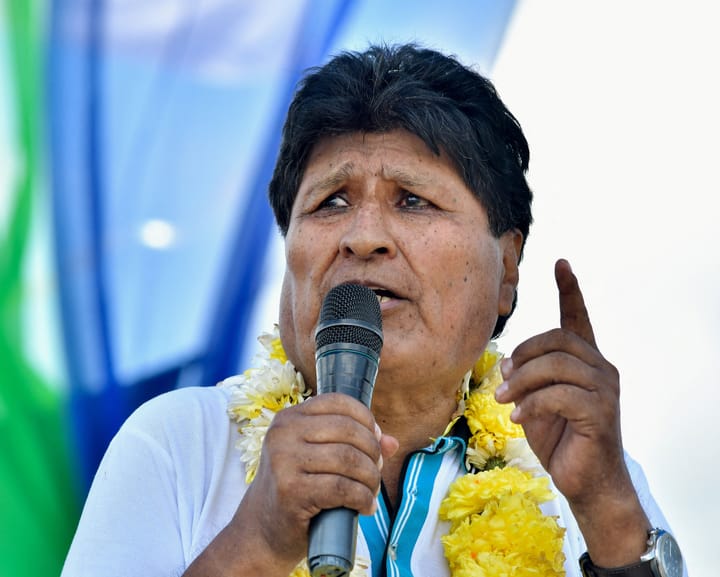
Bolivia Probes Ex-President Evo Morales for Suspected Involvement in 2009 Killings
The Bolivian attorney general has initiated an investigation into former leftist president Evo Morales, citing allegations of his involvement in the murder and torture of European nationals in 2009.
In 2009, police conducted a raid on a Santa Cruz hotel, resulting in the deaths of Eduardo Rózsa Flores, a Bolivian-

Argentina Closes Iguazu Falls Temporarily Due to El Niño-Induced Water Surge
Heavy rainfall driven by a potent El Niño weather pattern temporarily led Argentinian authorities to close tourist access to the renowned Iguazu Falls. The closure occurred due to concerns that rising water levels might cause the river to overflow its banks.
On Monday, national park officials implemented this precautionary measure
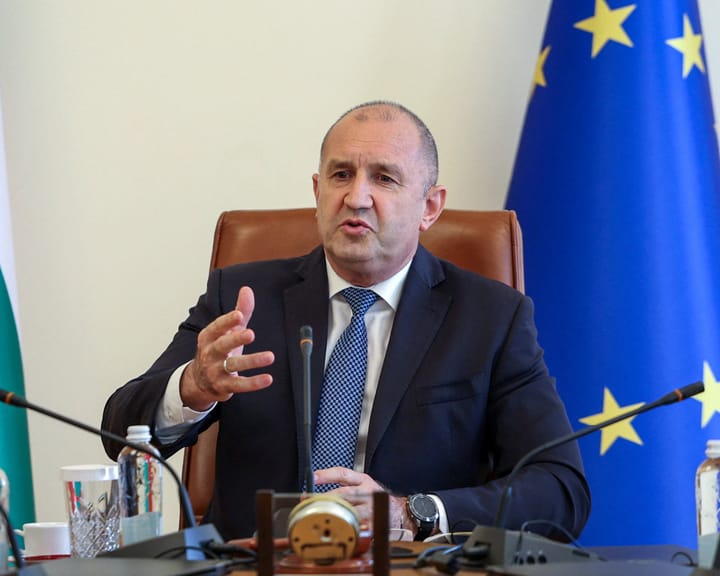
Mysterious Drones Strike Two Vessels Near Bulgarian Coast – Europe Live
Morning Update: Two Ships Targeted by Drones Off Bulgarian Coast
This morning, two ships in the Black Sea near Bulgaria were struck by drones of unknown origin. The attack led to the sinking of one vessel and initiated emergency rescue operations, as reported by Bulgarian Prime Minister Rumen Radev. Rescue