
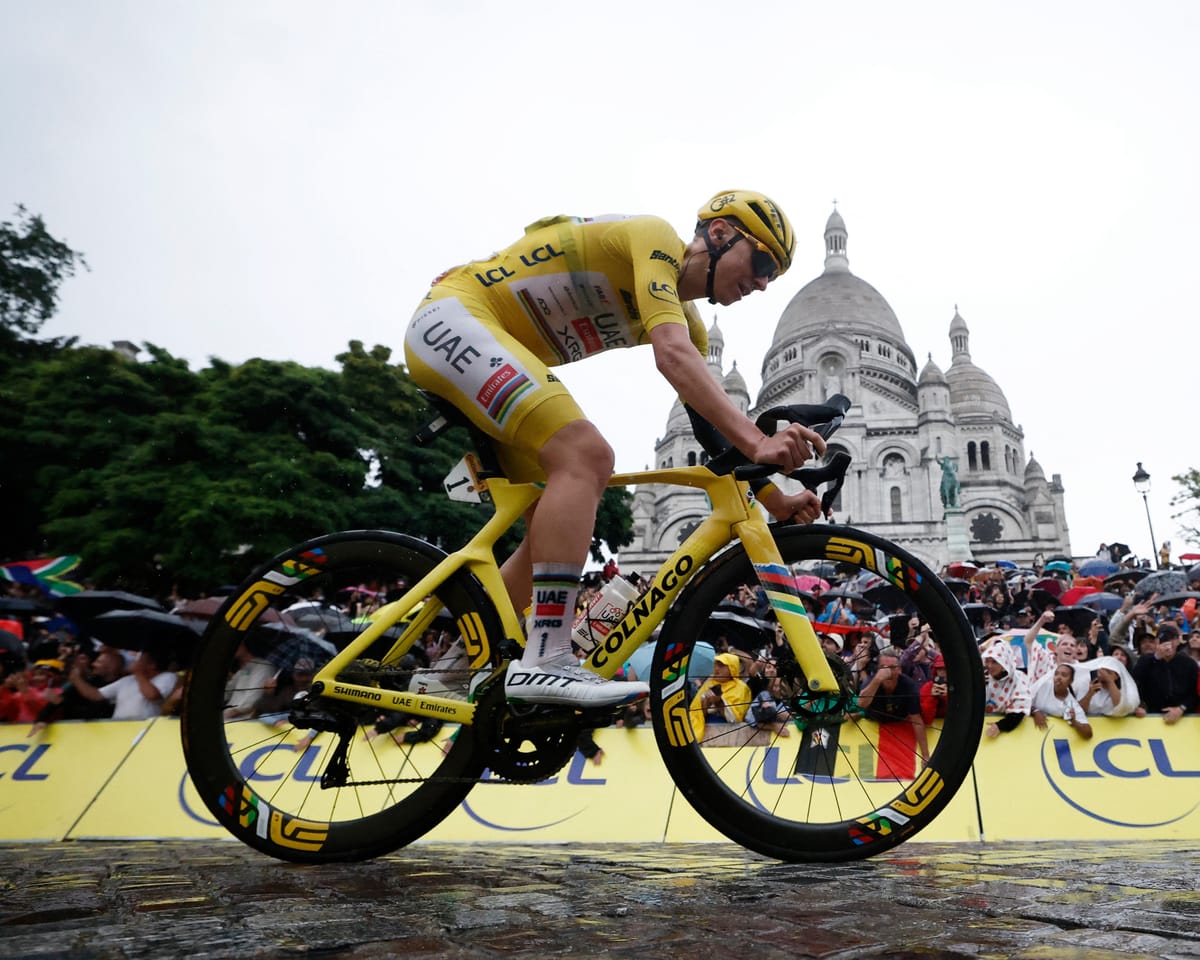
Fourth Tour wins remain more for the records than the heart
Winning the Tour de France four times, as I once noted, is "more about the record books than passion… the final step toward cycling greatness, yet often fails to stir the soul in the moment." The past three weeks have shown that this sentiment still holds. It’s not quite a cycle of grief, but one could argue that a first Tour victory brings surprise and joy, a second earns admiration, a third respect, and a fourth—resignation.
As Tadej Pogacar’s inevitable fourth Tour win neared this week, Alex Roos, a lead writer at *l’Équipe*, criticized the Slovenian’s lack of enthusiasm. "In recent days, his sulking, complaints, and overall mood have darkened the atmosphere at the Tour’s conclusion. How can fans feel excitement if the Yellow Jersey himself seems bored and burdened?"
Pogacar’s victory had been certain—barring disaster—since the first time trial in Caen 19 days ago, when he gained an insurmountable lead over Jonas Vingegaard. Likewise, the fourth wins of Bernard Hinault, Miguel Induráin, Lance Armstrong, and Chris Froome were all predicted early—admirable athletic feats (Armstrong’s aside) but devoid of suspense. Hence the prevailing sense of resignation.
Pogacar could be excused for seeming less than thrilled this week. This Tour has been unusually grueling, with little relief, and Saturday’s stage to Pontarlier epitomized the struggle—a two-wheeled version of Napoleon’s retreat from Moscow. While Pogacar maintained a commanding lead, the race still held ample room for the unexpected and stressful.
Most stages of this Tour matched Saturday’s intensity, though this was no accident. It reflects a shift that began in 2007 when race director Christian Prudhomme sought to make the race more compelling for viewers. Since then, route planners have minimized the long, flat, predictable stages that once dominated the early race—along with many transitional stages—once endured, as the late Geoffrey Nicholson put it, "with the patience of a Headingley crowd watching a slow-opening stand."
The era when sprinters like Mario Cipollini could dominate four straight stages (1999) is long gone. Now, thanks to route designer Thierry Gouvenou, even seemingly mild locations like Rouen or Toulouse feature demanding climbs and descents, enhancing the spectacle.
To further incentivize attacks, stages over 200km are rare, while time bonuses at finishes encourage contenders to compete.
Read next
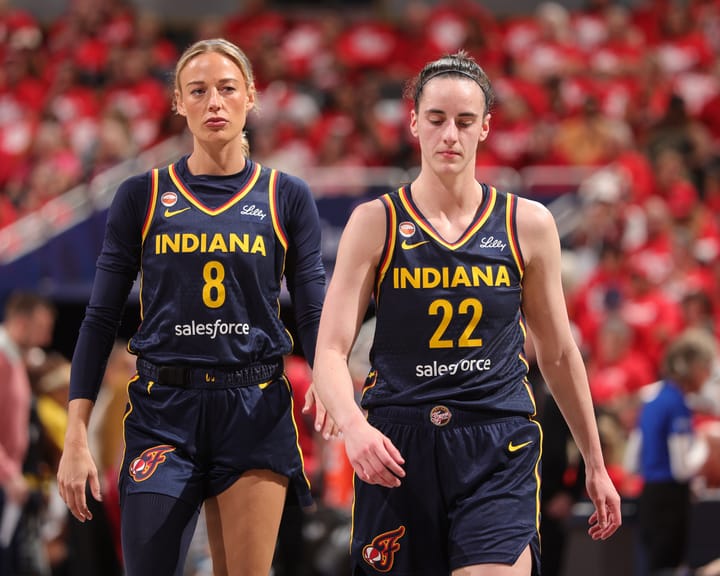
Indiana Fever and the Magasphere: A Risky Route to Fame for a WNBA Team
The Indiana Fever's season has concluded, marked by both its on-court performance and off-court controversies. Despite being eliminated by the Las Vegas Aces for the second consecutive year, the team has drawn significant attention, becoming a focal point in the WNBA this season.
The Fever'
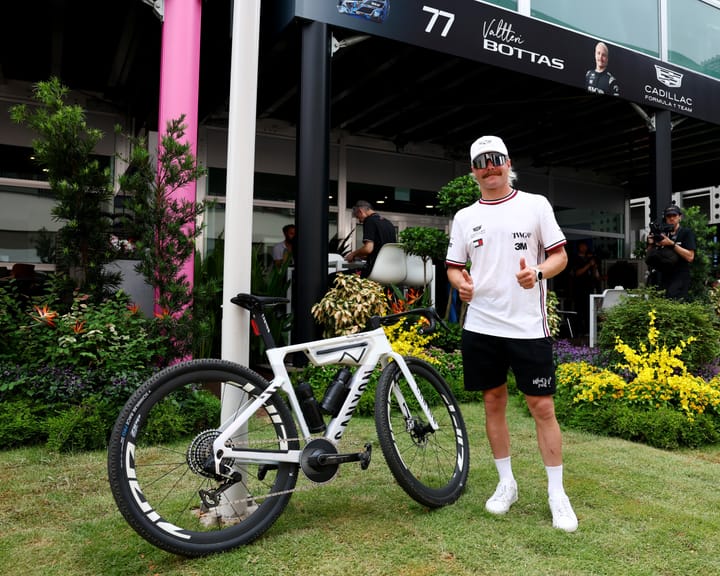
Bottas Shares Wild Cycling Adventures: Lizard Leaps and Python Dodges on Epic Journey
Valtteri Bottas, the Formula 1 driver for Cadillac, recently undertook a challenging 418km bicycle journey from Malaysia to Singapore, an experience he vividly described. This adventure included navigating through the jungle at night, encountering snakes, and dealing with various other obstacles. Bottas, 37, is passionate about cycling and took on

NBA Europe Unveils $10bn Strategy Attracting Football Clubs to Join
The launch of NBA Europe has been postponed by a year until 2028. The league will include 16 teams: 12 permanent franchises and four temporary ones selected through a pre-qualifying competition next year. The NBA plans to invest approximately $10 billion over the next decade, marking it as one