
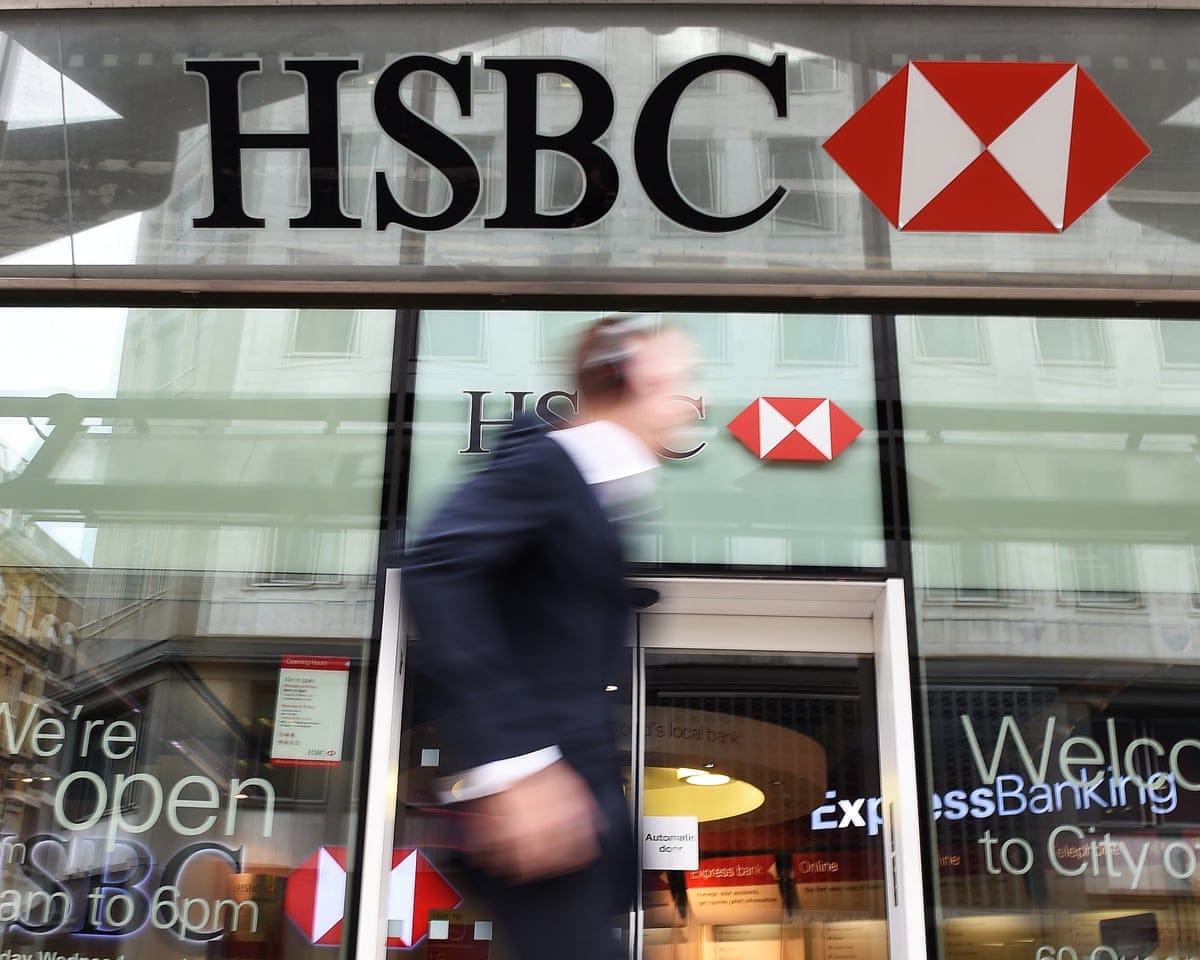
HSBC has become the first UK bank to exit the global banking sector’s net zero alliance, raising concerns among campaigners that the institution may be weakening its stance on addressing climate change.
The decision risks prompting other UK banks to withdraw from the Net Zero Banking Alliance (NZBA), dealing another setback to global cooperation on climate action.
HSBC’s departure follows a series of withdrawals by major US banks ahead of Donald Trump’s return to office earlier this year. His administration has encouraged increased fossil fuel production, reversing some climate policies.
HSBC was among the NZBA’s founding members in 2021, with then-CEO Noel Quinn stating the alliance was crucial to ensuring accountability in meeting carbon neutrality pledges.
“We aim to set an example for the sector. Collective efforts are necessary to reach these targets effectively,” said Quinn at the time.
Coordinated by a UN-backed financial initiative but governed by participating banks, the NZBA requires members to align their financial activities with net zero emissions by 2050 or sooner.
Several leading US banks, including Citigroup, Bank of America, and Goldman Sachs, left the group after Trump’s election.
As of Friday, UK financial institutions such as Barclays, Lloyds, NatWest, Standard Chartered, and Nationwide remained listed as NZBA members.
HSBC’s withdrawal comes shortly after it revised its climate commitments, delaying key objectives by two decades and softening environmental performance metrics in a new executive incentive scheme for current CEO Georges Elhedery.
ShareAction, a climate advocacy organization, criticized the move, calling it a concerning indication of HSBC’s diminishing dedication to climate action.
Jeanne Martin, a senior figure at ShareAction, stated: “This sends a negative message to businesses and policymakers, particularly amid growing financial threats from rising temperatures, extreme weather, and related disasters.”
“Investors will now scrutinize how this decision influences the bank’s regulatory filings and strategic direction.”
In response, HSBC issued a statement: “We acknowledge the NZBA’s role in shaping methodologies for initial climate goals.
“Now that these frameworks exist, we have chosen to step away as we refine and execute our transition strategy.
“Our commitment to achieving net zero by 2050 and assisting clients in their sustainability efforts remains unchanged.”
Read next
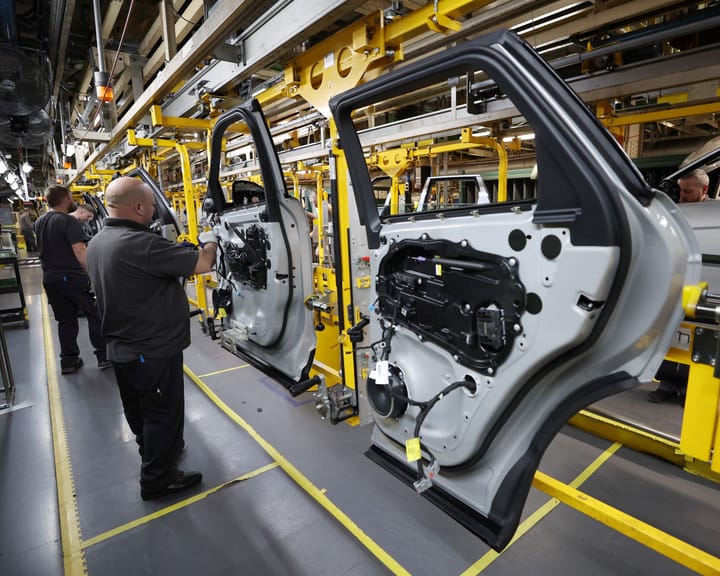
Jaguar Land Rover suppliers voice ‘everything is against us’ amid cutbacks
David Roberts, chair of Coventry-based Evtec, says the outlook for Britain’s automotive sector is grim, with “everything against us.” Evtec is a tier 1 supplier to Jaguar Land Rover, which this week announced 4,000 job cuts over two years despite chancellor John Healey’s attempt to talk

Europe’s fighter jet plans in disarray: what comes next?
When former ECB president and Italian PM Mario Draghi urged Europe to catch up economically with the US and China, defence collaboration was prescribed. No more should each nation build independent boats, tanks or jets; allies should share costs and technologies.
Europe stumbled at the first hurdle. German Chancellor Friedrich
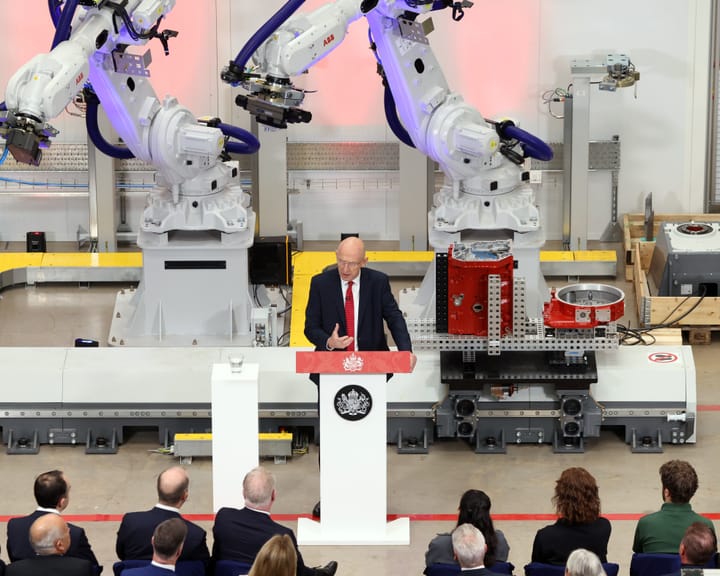
John Healey supports growth but insists Labour must be truthful about spending
John Healey has stated that his primary goal as chancellor will be to boost economic growth, while acknowledging that Labour must be straightforward about controlling public spending at next month's budget.
In his first major address since assuming the role in July, Healey said the leading focus of