
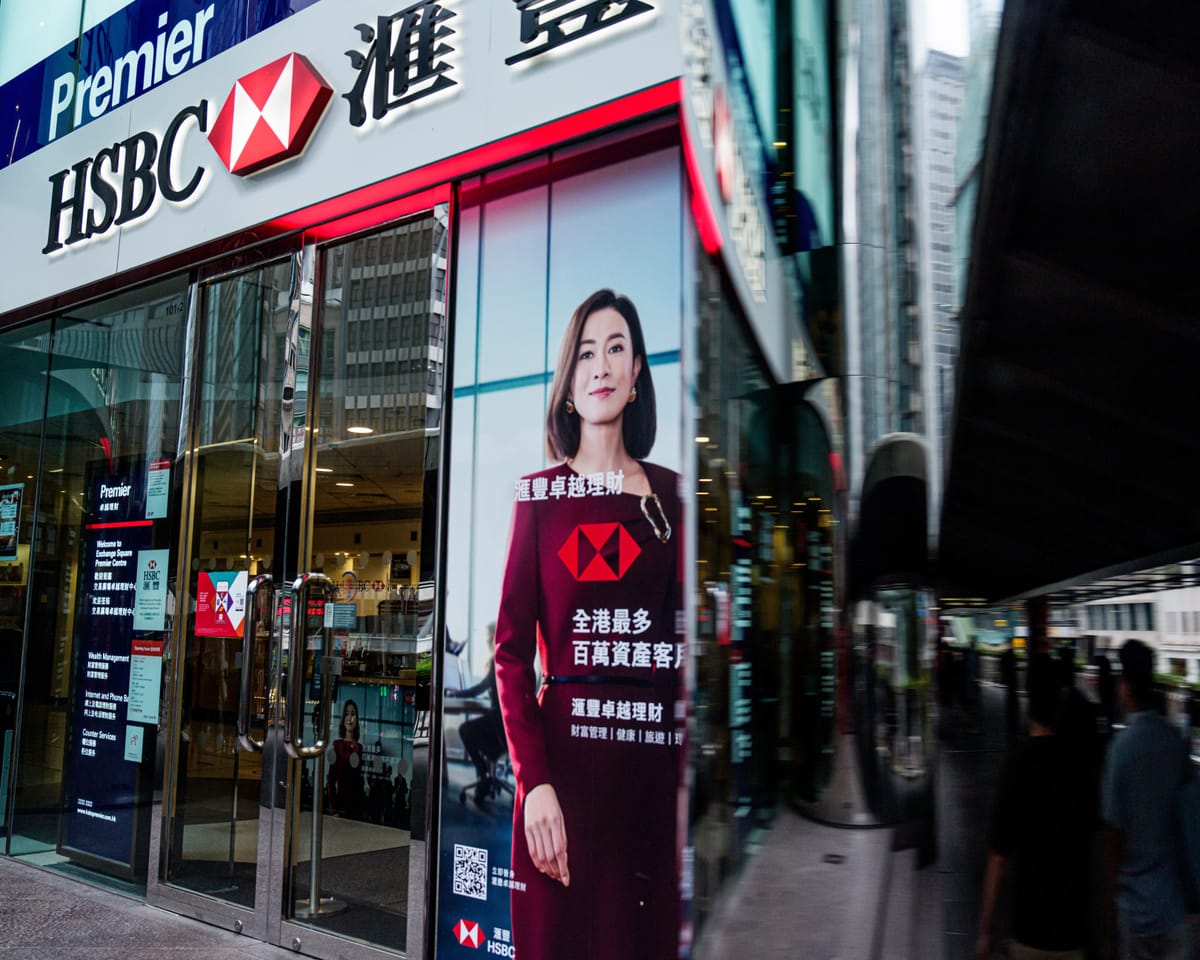
HSBC to Acquire Remaining Stake in Hong Kong’s Hang Seng Bank
HSBC is spending £10 billion to take full control of its Hong Kong subsidiary, a move the bank says strengthens its position in a key link between China and global markets.
The transaction will remove Hang Seng Bank’s shares from the Hong Kong stock exchange as London-based HSBC consolidates its Asian operations by acquiring the remaining 36.5% stake it does not already own.
The deal is thought to be the largest of its kind in Hong Kong in over ten years. It reflects HSBC’s confidence in the region despite ongoing concerns about Hang Seng Bank’s ties to China’s struggling real estate sector.
HSBC, which generates most of its profits in Hong Kong and China, has reportedly been pressing Hang Seng to address problematic loans linked to property investments.
Chief executive Georges Elhedery, who assumed the role last year, described the acquisition as a "major commitment to Hong Kong’s economy, reinforcing our belief in its future as a top global financial hub and a crucial bridge between international markets and mainland China."
The announcement follows a restructuring plan led by Elhedery a year ago, which included cutting costs, withdrawing from some markets, and splitting the bank’s operations into eastern and western divisions. These changes briefly fueled speculation about a possible breakup of HSBC, though the bank later dismissed such claims.
HSBC stated that it will halt share buybacks for the next nine months due to the £10 billion deal, aiming to strengthen its financial reserves—funds that help banks manage risks and safeguard customers. This decision disappointed investors, causing a 5% drop in HSBC’s London-listed shares on Thursday.
Russ Mould, an investment director at AJ Bell, noted: “HSBC shareholders reacted negatively to the news of paused buybacks, much like a child denied a treat. The bank is redirecting funds to purchase Hang Seng’s minority stakes, which aligns with its Asia-focused strategy. However, the lukewarm reception, combined with the recent departure of chair Mark Tucker, poses one of Elhedery’s biggest challenges yet.”
Read next
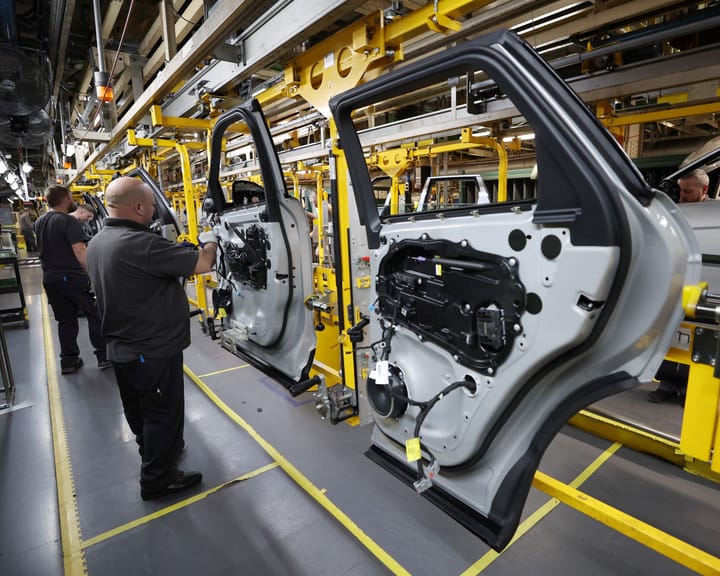
Jaguar Land Rover suppliers voice ‘everything is against us’ amid cutbacks
David Roberts, chair of Coventry-based Evtec, says the outlook for Britain’s automotive sector is grim, with “everything against us.” Evtec is a tier 1 supplier to Jaguar Land Rover, which this week announced 4,000 job cuts over two years despite chancellor John Healey’s attempt to talk
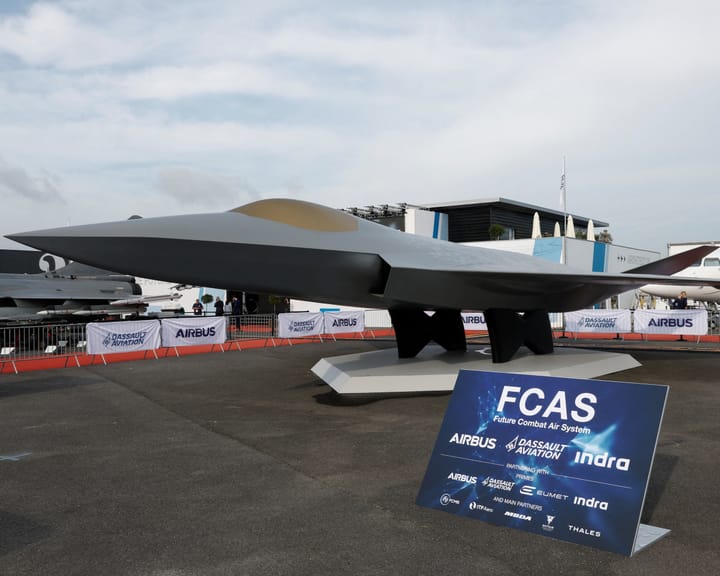
Europe’s fighter jet plans in disarray: what comes next?
When former ECB president and Italian PM Mario Draghi urged Europe to catch up economically with the US and China, defence collaboration was prescribed. No more should each nation build independent boats, tanks or jets; allies should share costs and technologies.
Europe stumbled at the first hurdle. German Chancellor Friedrich
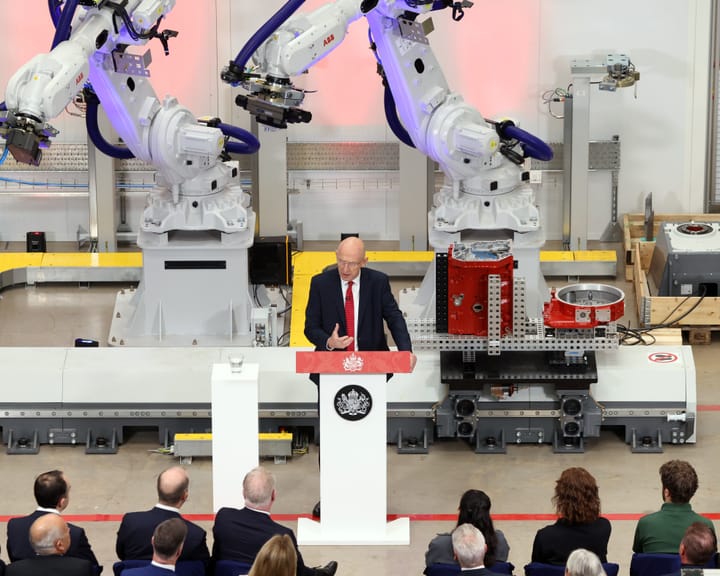
John Healey supports growth but insists Labour must be truthful about spending
John Healey has stated that his primary goal as chancellor will be to boost economic growth, while acknowledging that Labour must be straightforward about controlling public spending at next month's budget.
In his first major address since assuming the role in July, Healey said the leading focus of