
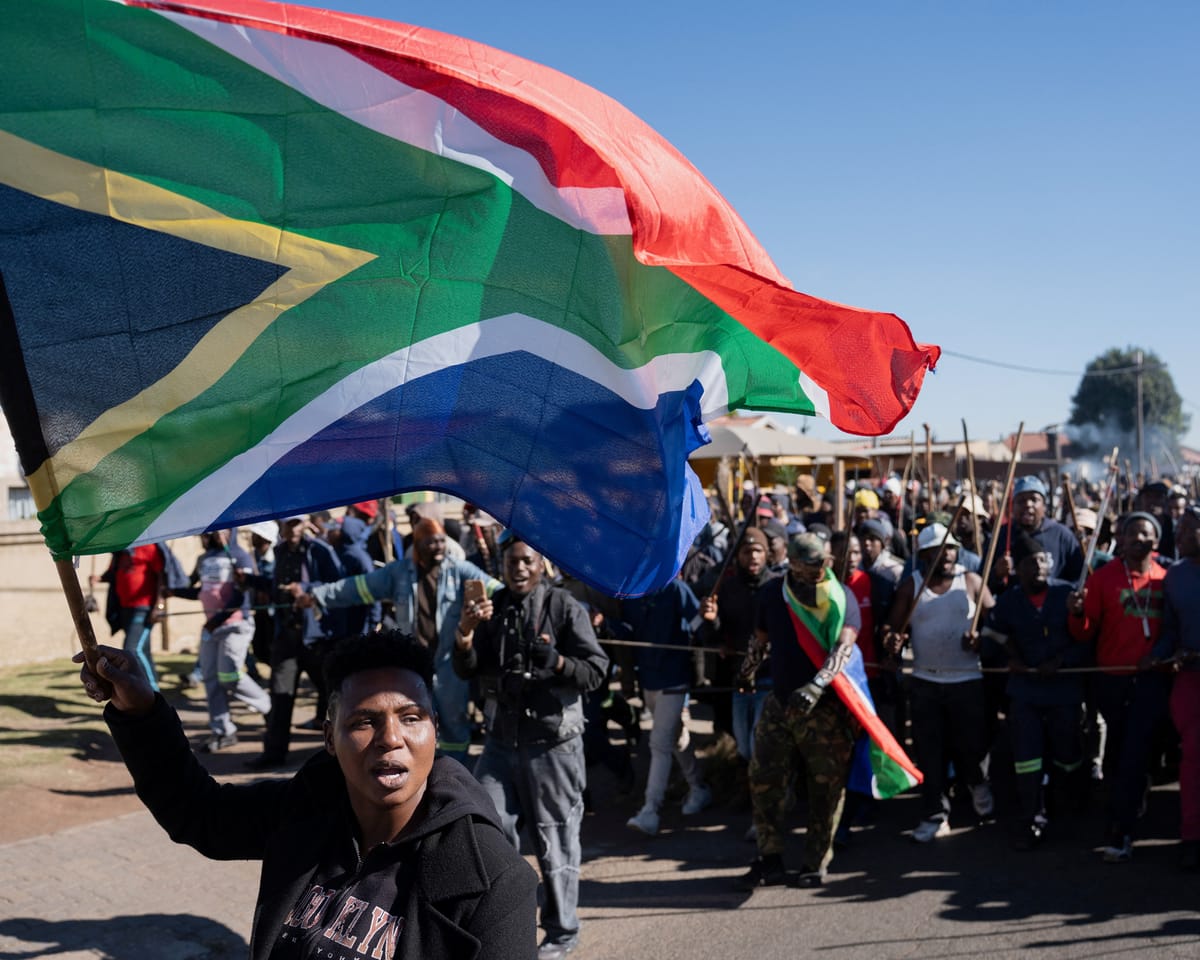
African migrants in South Africa report living in constant terror following a series of demonstrations demanding the departure of undocumented immigrants, which has revitalized xenophobic tensions within the nation.
The campaign group March & March has ordered those residing in the country illegally to depart by June 30, though it has not clarified the consequences for those who remain.
Violence has already resulted in fatalities. Mozambique reported that five of its nationals were killed in xenophobic attacks in late May. Additionally, South African police confirmed that two Mozambicans and one South African died during unrest in Mossel Bay. In Kleinmond, located southeast of Cape Town, approximately 100 people from Malawi and Mozambique sought refuge in a town hall after an angry mob ordered foreigners in an informal settlement to vacate the area.
Many migrants have expressed a desire for governmental assistance to return to their home countries. For instance, Ghana has organized flights to repatriate hundreds of its citizens. An Ethiopian entrepreneur, residing in the country since 2000, noted that extreme fear is pervasive among the migrant community, observing that even legal documentation offers no protection against violence.
Historically, South Africa has relied on migrant labor, particularly for mining. Following the end of white-minority rule in 1994, Nelson Mandela was welcoming toward African migrants. However, economic instability and hyperinflation in neighboring nations like Zimbabwe have driven many to move south. Combined with high local unemployment and inequality, this has led many South Africans to blame immigrants for domestic hardships. This resentment has caused periodic violence, including deadly riots in 2008 that killed 62 people and displaced over 150,000, and further killings in 2015.
Data from the Human Sciences Research Council shows that the percentage of South Africans welcoming all immigrants dropped from 25% in 2020 to 15% last year, while unemployment has climbed to 43.1%. Sharon Ekambaram of Lawyers for Human Rights suggested that it is easier to target migrants than to hold the government accountable.
Census data indicates the foreign-born population rose from 2% in 1996 to 3.9% (approximately 2.4 million people) by 2022. Meanwhile, Jacinta Ngobese-Zuma, leader of March & March, claims illegal immigration numbers are between 15 million and 30 million, asserting that South Africans have become "refugees in their own country."
Read next
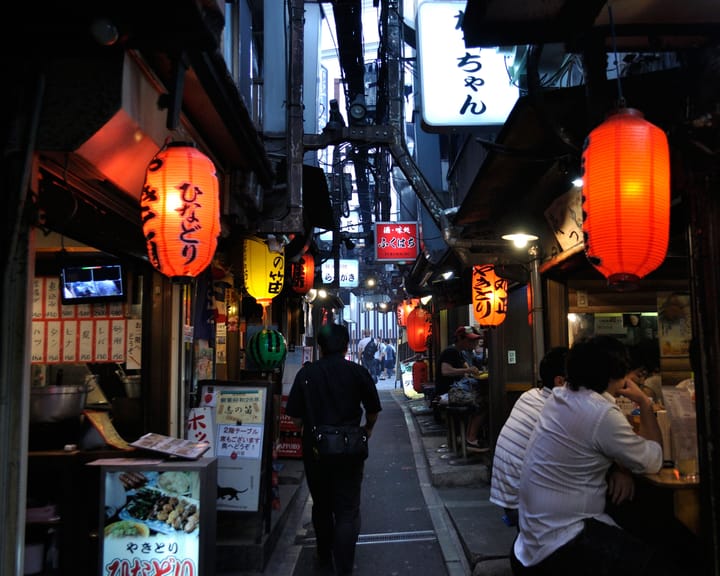
Tokyo tourist hotspot outlaws short-term rentals amid complaint surge
Shinjuku Ward, Tokyo, has moved to ban short-term rental accommodations in residential areas and near schools and important cultural sites, following a slew of complaints about visitor behaviour. The decision, to be enacted through a local ordinance, marks the latest sign that Japan’s patience with mass tourism is
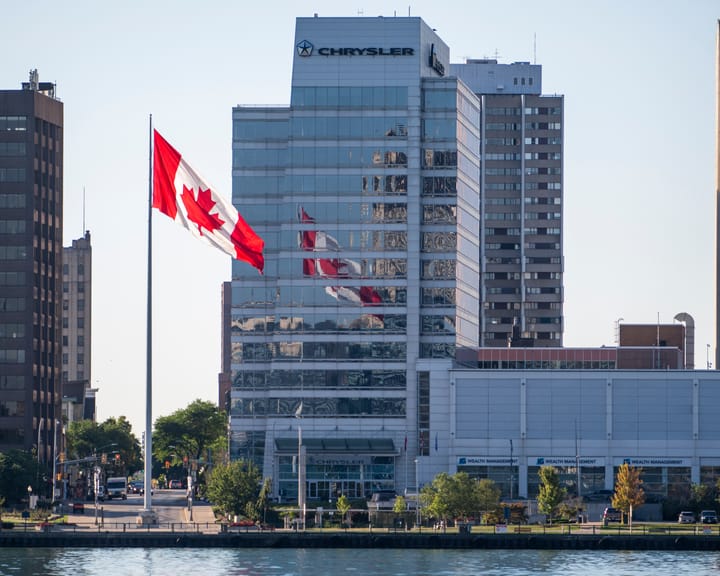
Canada implements retaliatory US tariffs as trade dispute intensifies
Canada’s retaliatory tariffs on about $20 billion worth of American imports took effect at 12.01am on Tuesday, ranging from 15% to 50% and applying to steel, dairy, appliances, agricultural equipment, pulp and paper, and electronics. The measures, a response to the United States’ 50% tariff on $20 billion

Prosecutor general resigns amid political turmoil in Kyiv during Ukraine war
Ukraine’s prosecutor general Ruslan Kravchenko resigned amid corruption accusations after anti-graft officers searched his offices at the weekend. He called the allegations “completely unsubstantiated” and denied wrongdoing. The National Anti-Corruption Bureau (NABu) and Specialised Anti-Corruption Prosecutor’s Office (Sapo) announced Saturday they uncovered a money-laundering