
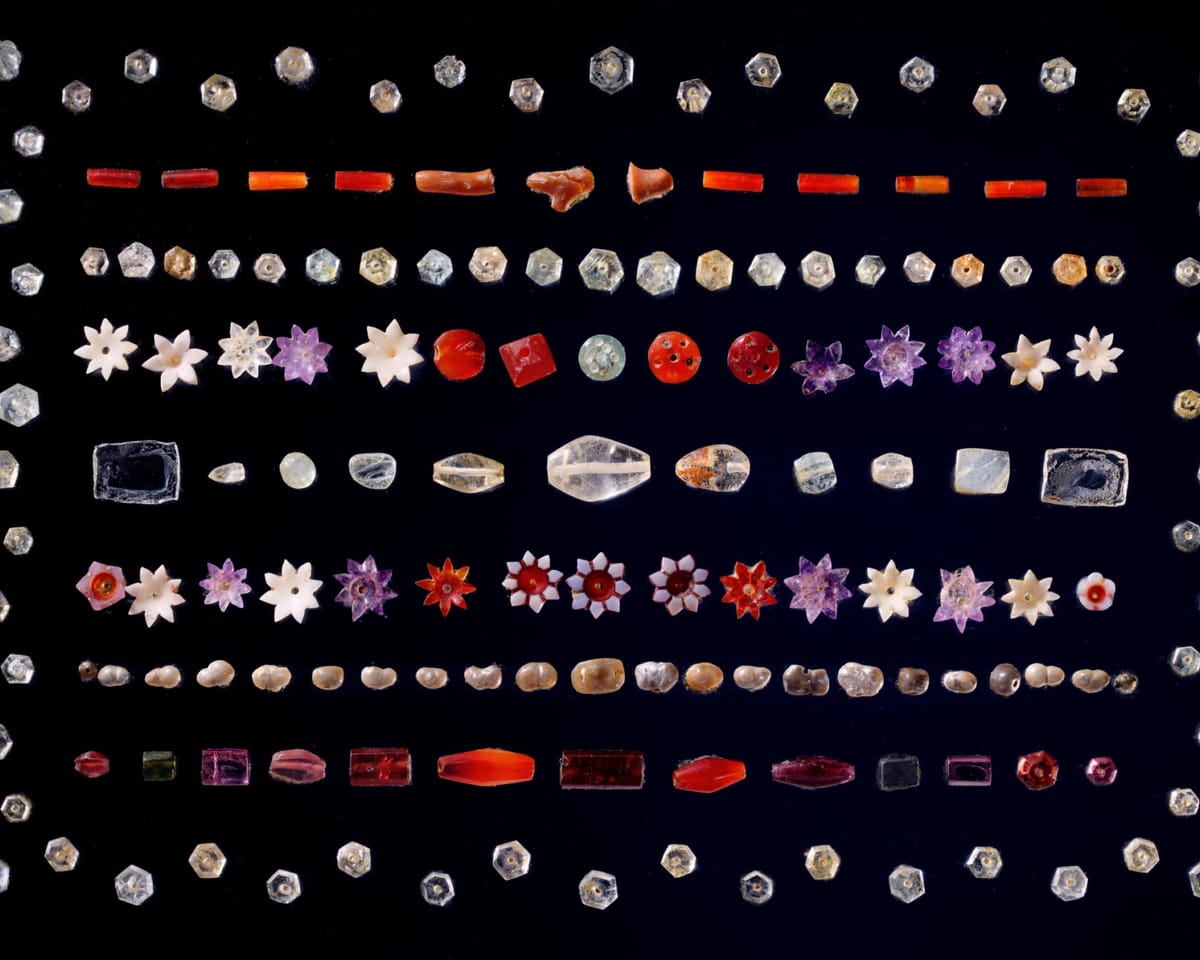
Ancient Gem Relics Linked to Buddha Repatriated to India After 127 Years
The Indian government has successfully secured the return of ancient gem relics connected to the remains of the Buddha, two months after their auction was halted in Hong Kong.
In a social media post, Prime Minister Narendra Modi stated that the repatriation of the Piprahwa gems marked "a joyous day for our cultural heritage."
The auction, initially scheduled for May, was postponed after India’s culture ministry warned of legal action in Indian and Hong Kong courts, as well as through international bodies, over alleged violations of cultural heritage laws.
Many Buddhists consider the gems to hold sacred significance, believing they carry the presence of the Buddha and should be treated as physical relics.
The ministry announced that the artifacts would be officially presented in a special ceremony before being made available for public viewing. The acquisition was facilitated through a collaboration between the Indian government and Godrej Industries Group.
Modi remarked, "Every Indian will take pride in the return of the sacred Piprahwa relics of Bhagwan Buddha after 127 years. These relics underscore India’s deep connection to his teachings and reflect our dedication to preserving our cultural heritage."
The gems had been put up for auction by three descendants of William Claxton Peppé, a British colonial landowner who unearthed them in 1898 on his estate in northern India. The decision to sell the relics drew widespread criticism from Buddhist leaders, scholars, and followers.
The collection of 334 precious stones—amethysts, coral, garnets, pearls, rock crystals, shells, and gold—was estimated to fetch around HK$100 million (£9.7 million). Some were crafted into ornaments, while others remained in their natural state.
Originally, the gems were interred in a stupa—a dome-shaped funerary monument—in Piprahwa, now part of Uttar Pradesh, around 240-200 BC, alongside some of the cremated remains of the Buddha, who is believed to have died around 480 BC.
Under the 1878 Indian Treasure Trove Act, the British crown claimed Peppé’s discovery. The bones and ashes were given to King Chulalongkorn of Siam, while the majority of the 1,800 gems were sent to the Indian Museum in Kolkata. Peppé was allowed to keep roughly a fifth of them.
In response, the auction house involved stated it was pleased to have aided in the artifacts’ return to India.
"Our efforts over the past two months to find the most suitable custodian for these relics have now been fulfilled. This outcome is the result of cooperation with the Peppé family, the buyer, and the Indian government, ensuring the Piprahwa gems remain in India for public display," the statement read.
The executive vice-chair of Godrej Industries Group expressed honor in playing a role in the historic repatriation.
Read next
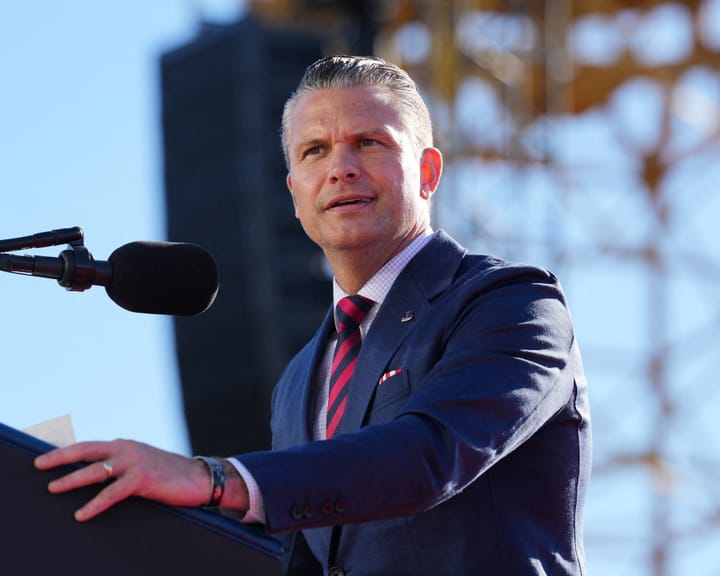
Pete Hegseth's proposal to stream executions aligns US with controversial nations.
If the US defense secretary, Pete Hegseth, proceeds with plans to livestream the execution of a soldier radicalized to extremist Islam, who killed 13 people at a military base in Texas, the US would join a group of lesser powers and rogue actors known for public executions in recent years.
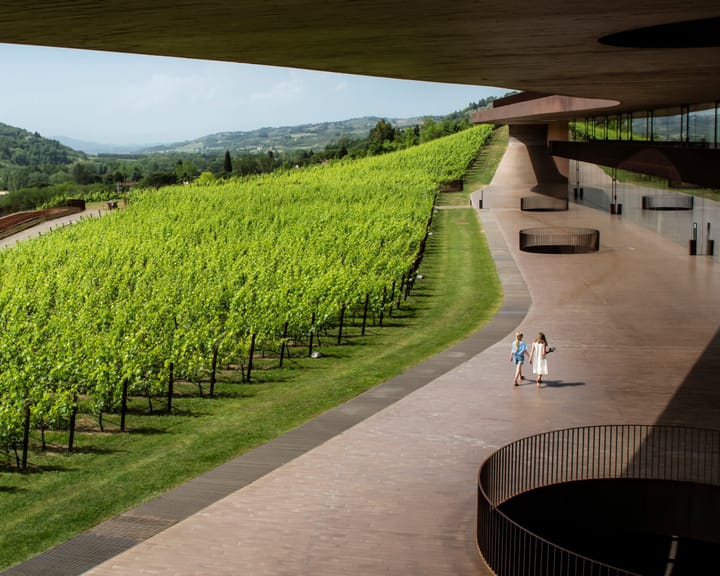
Criminals steal €5m from renowned Italian winery
In a significant theft in Tuscany, thousands of wine bottles valued at €5 million have been stolen from the renowned Marchesi Antinori winery, marking what is considered the largest heist of its kind in Italy. A group of at least seven masked individuals breached the winery's cellar in
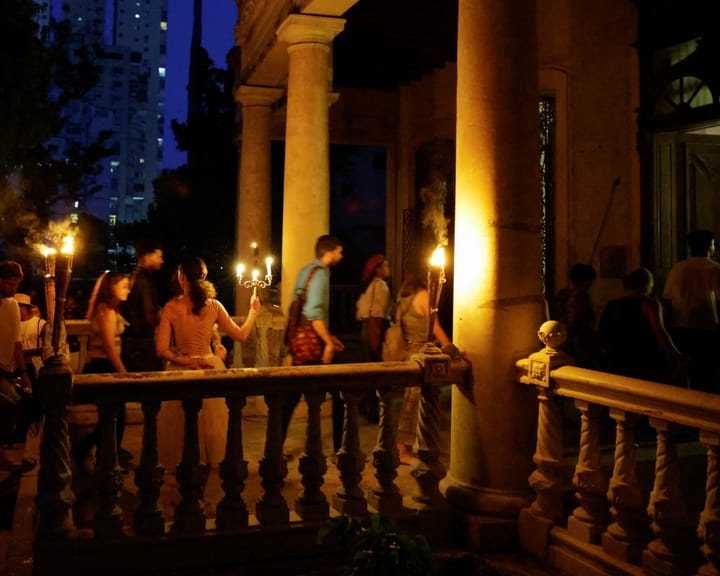
Illuminated Theater in Havana – A Photographic Journey
Widespread blackouts have become more frequent in Cuba since the US imposed energy sanctions in January. These outages often last longer than 24 hours as the aging electrical grid struggles to cope. The Impulso theatre group has been forced to adapt, as the power cuts present significant challenges for the