
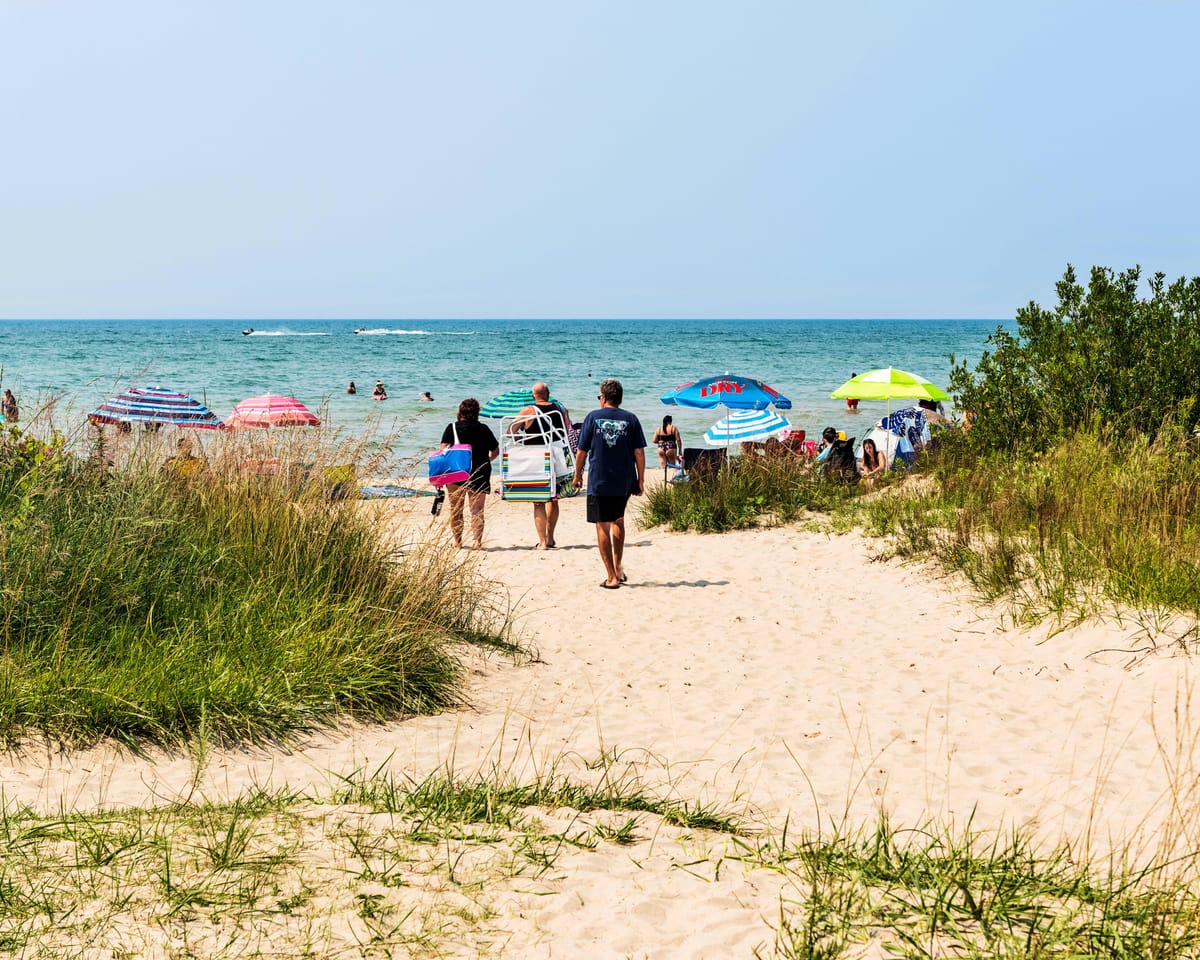
A portion of beachfront will be restored to a First Nation in Canada after being mistakenly excluded from its reserve 170 years ago. The small strip of land, less than two miles in length, has been the center of a major dispute, with a neighboring resort town arguing the ruling could set a significant precedent for property rights in the country.
Canada’s highest court declined on Thursday to consider an appeal from the town of South Bruce Peninsula, which contested a lower court’s decision that the Saugeen First Nation’s reserve had been improperly reduced in size.
The town had argued before the court that upholding the Saugeens' claim would "risk creating instability within Canada’s land ownership system." Lawyers for the First Nation countered that the case revolved solely around interpreting the terms of a treaty—and the intended boundaries of their reserve under that agreement.
At the heart of the conflict is a stretch of shoreline located 140 km from Toronto, a popular summer destination for visitors drawn to the clear waters of Lake Huron.
For years, the Saugeen First Nation has maintained that their reserve’s official map incorrectly left out a 1.5-mile section of beach guaranteed to them in an 1854 treaty with the Crown.
In 2014, a resolution appeared close when the First Nation and local officials agreed that the Saugeen would hold legal title to the land, while management of the beach would be shared with the town. Federal and provincial authorities also committed a one-time payment of C$5 million (US$3.6 million) to the municipality to cover related costs.
However, during that year’s municipal elections, candidates for mayor vowed to overturn the agreement, reigniting the legal battle—a decision that ultimately led to substantial legal expenses for the town.
Two years ago, a court ruled in favor of the Saugeen, a decision later upheld on appeal. Earlier this year, signage at the beach was updated to reflect the name "Saugeen Beach," a change the First Nation described as a crucial step in reclaiming their heritage.
Representatives for the town and private landowners have described the Saugeen’s legal victories as unprecedented, expressing concern that the case could encourage similar claims across Canada.
The town’s legal filing emphasized the significance of the matter, stating that Indigenous land claims involving private property will likely become more frequent in the coming years.
Nuri Frame, legal counsel for the Saugeen, countered that the case is focused narrowly on ensuring the correct boundaries of reserve land promised under treaty obligations.
Read next

Pete Hegseth's proposal to stream executions aligns US with controversial nations.
If the US defense secretary, Pete Hegseth, proceeds with plans to livestream the execution of a soldier radicalized to extremist Islam, who killed 13 people at a military base in Texas, the US would join a group of lesser powers and rogue actors known for public executions in recent years.
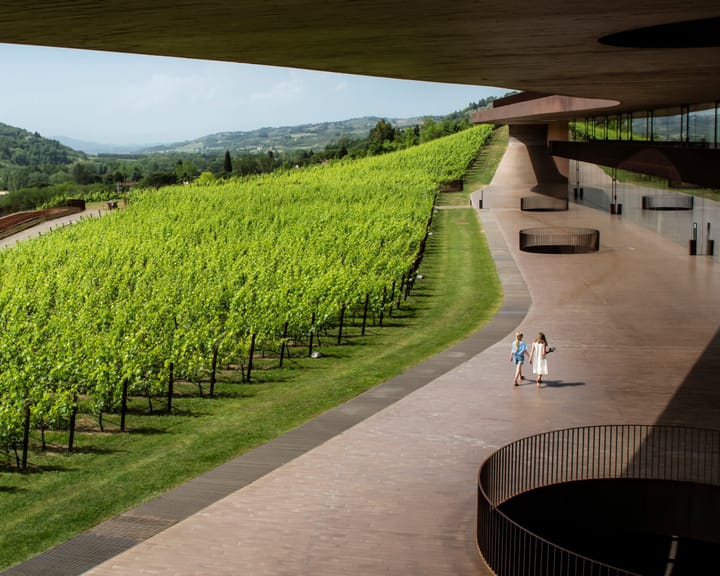
Criminals steal €5m from renowned Italian winery
In a significant theft in Tuscany, thousands of wine bottles valued at €5 million have been stolen from the renowned Marchesi Antinori winery, marking what is considered the largest heist of its kind in Italy. A group of at least seven masked individuals breached the winery's cellar in

Illuminated Theater in Havana – A Photographic Journey
Widespread blackouts have become more frequent in Cuba since the US imposed energy sanctions in January. These outages often last longer than 24 hours as the aging electrical grid struggles to cope. The Impulso theatre group has been forced to adapt, as the power cuts present significant challenges for the