
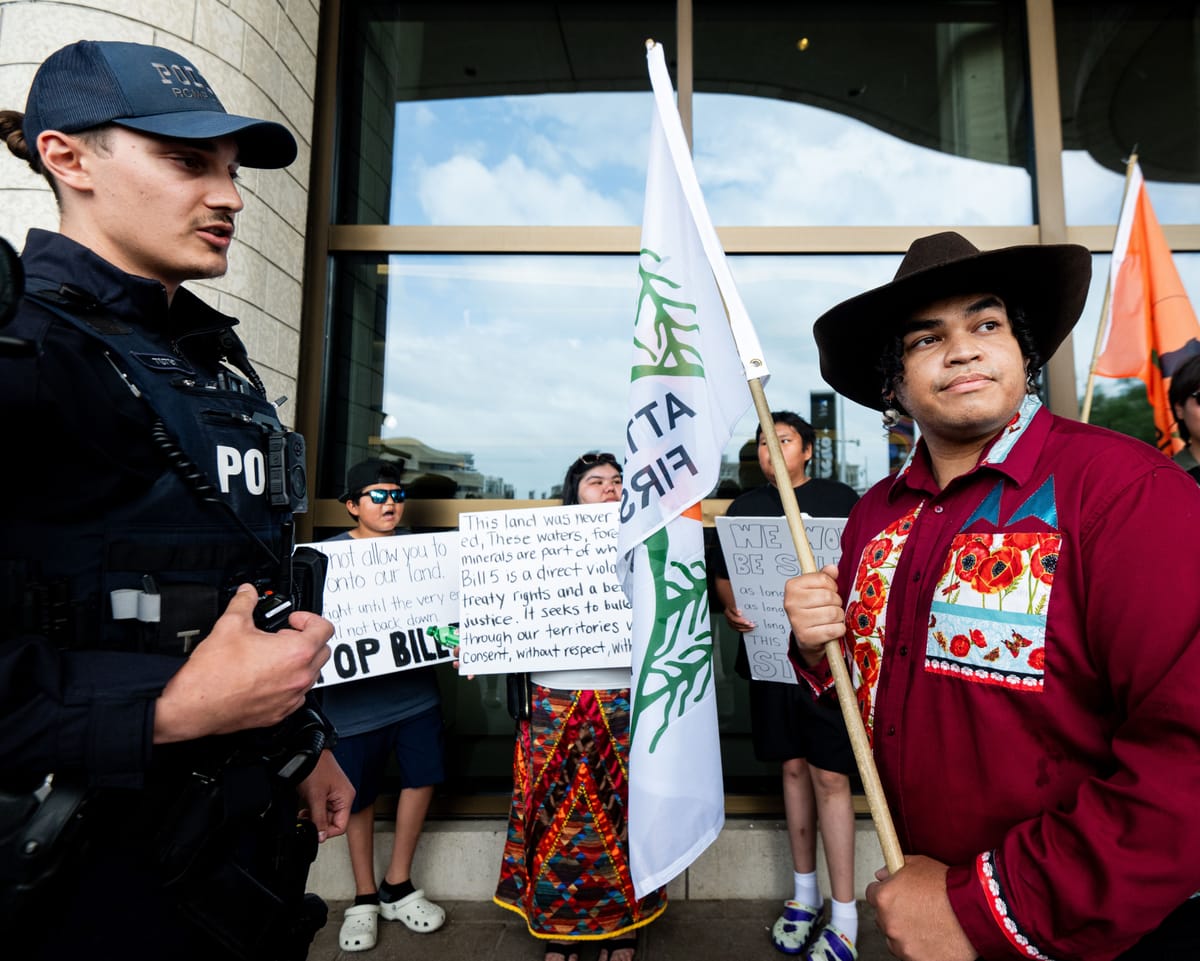
Several Indigenous leaders left a meeting with Mark Carney after growing concerns that the recently passed Building Canada Act could infringe on their rights, despite the Canadian prime minister’s hope the gathering would address their worries.
The legislation, part of Bill C-5, establishes a framework for major construction projects such as pipelines and mines, as well as infrastructure like ports, railways, and power grids. It allows certain "nation-building" projects to bypass typical environmental and regulatory processes if they are deemed to enhance Canada’s economic independence, security, and climate goals, while also benefiting Indigenous communities.
While the government has yet to specify which projects will be prioritized, Rebecca Alty, the minister overseeing Indigenous relations, stated that discussions with provinces, territories, and Indigenous groups would help determine suitable developments.
However, nine Ontario First Nations have already filed a constitutional challenge against the federal government over Bill C-5, as well as against similar provincial legislation. They argue that expedited development without proper legal oversight or meaningful consultation with affected Indigenous communities violates constitutional protections guaranteeing their input on decisions impacting their treaty rights.
During the meeting at the Canadian Museum of History in Gatineau, Carney assured hundreds of First Nations representatives that new infrastructure would bring long-term benefits to their communities and promised thorough consultation for those affected by proposed projects. While some leaders responded cautiously, others criticized the event, saying they lacked the opportunity to speak directly with the prime minister or his cabinet and felt their concerns were ignored.
A group of Indigenous youth also protested, carrying signs with messages like “We won’t be silenced.” After several hours, multiple leaders walked out, dismissing the meeting as a public relations effort to counter criticism that the government had rushed the legislation through without proper Indigenous consultation.
“I don’t even know what this is, but this is not engagement. This is definitely not consultation,” said one leader.
Read next
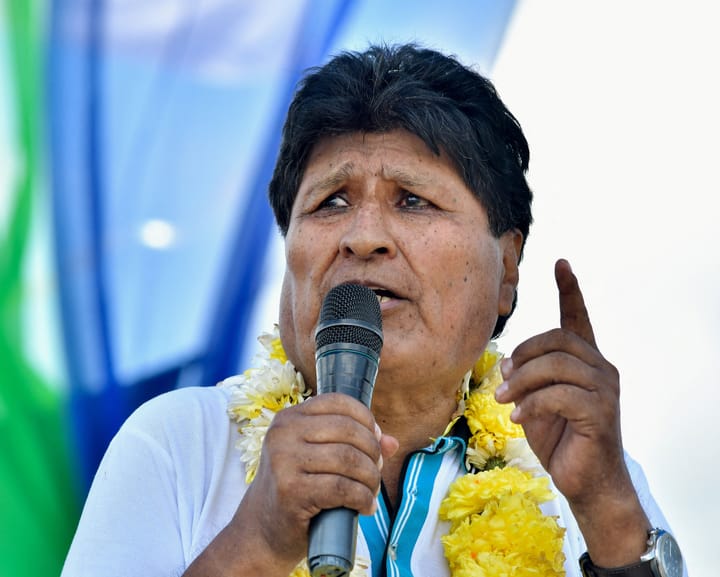
Bolivia Probes Ex-President Evo Morales for Suspected Involvement in 2009 Killings
The Bolivian attorney general has initiated an investigation into former leftist president Evo Morales, citing allegations of his involvement in the murder and torture of European nationals in 2009.
In 2009, police conducted a raid on a Santa Cruz hotel, resulting in the deaths of Eduardo Rózsa Flores, a Bolivian-
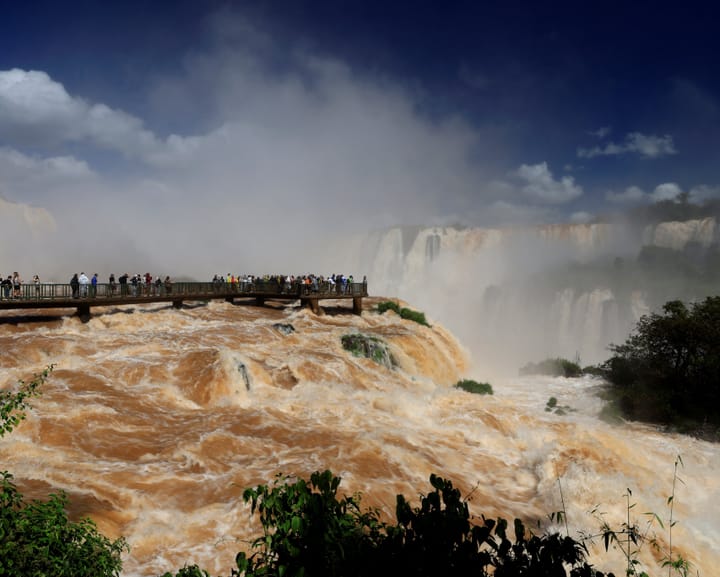
Argentina Closes Iguazu Falls Temporarily Due to El Niño-Induced Water Surge
Heavy rainfall driven by a potent El Niño weather pattern temporarily led Argentinian authorities to close tourist access to the renowned Iguazu Falls. The closure occurred due to concerns that rising water levels might cause the river to overflow its banks.
On Monday, national park officials implemented this precautionary measure
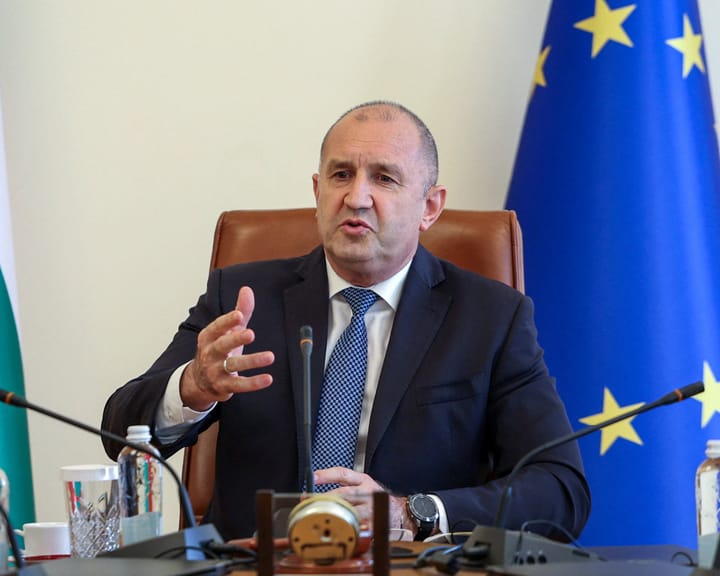
Mysterious Drones Strike Two Vessels Near Bulgarian Coast – Europe Live
Morning Update: Two Ships Targeted by Drones Off Bulgarian Coast
This morning, two ships in the Black Sea near Bulgaria were struck by drones of unknown origin. The attack led to the sinking of one vessel and initiated emergency rescue operations, as reported by Bulgarian Prime Minister Rumen Radev. Rescue