
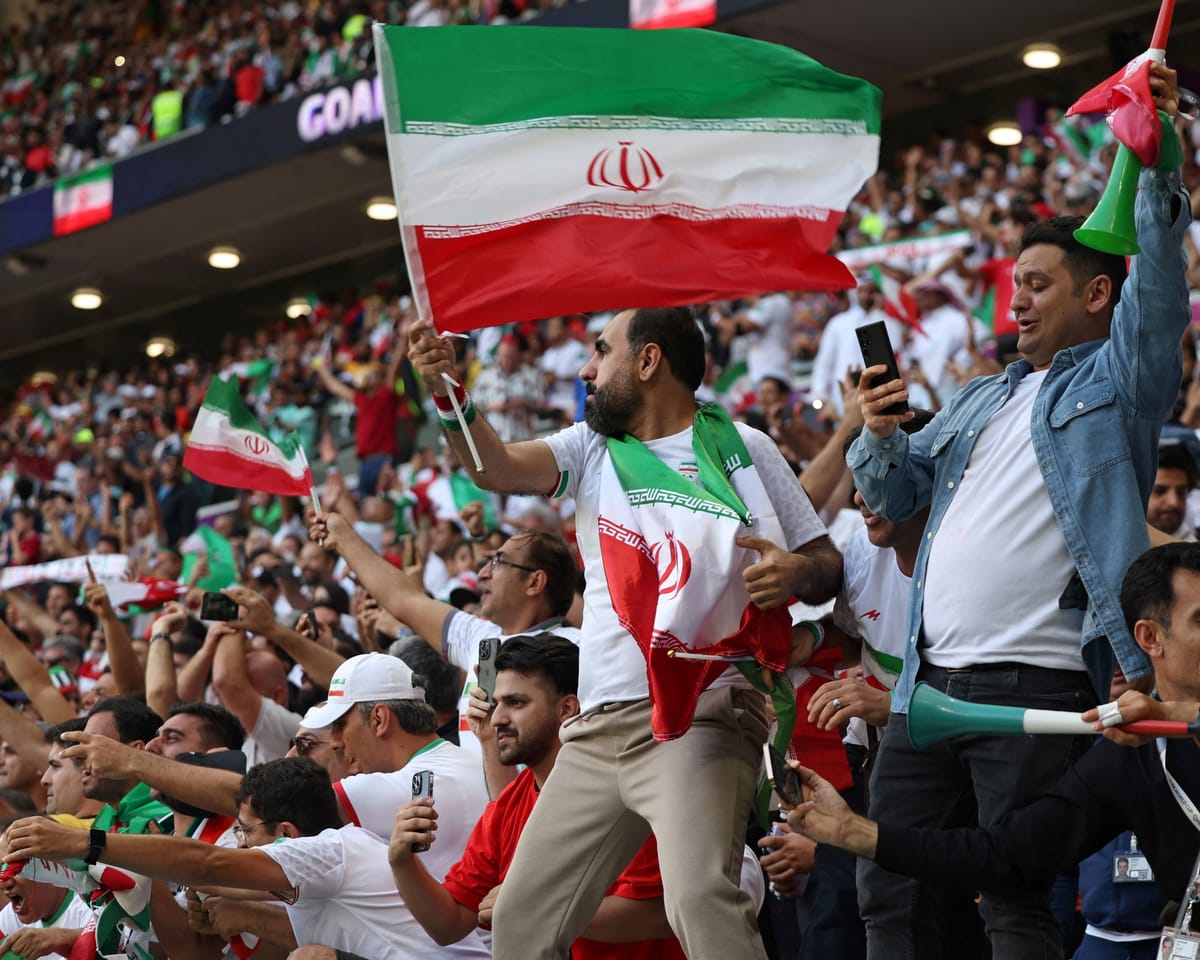
Mr President, fellow executive members: we will need a larger Board of Peace. How many mini‑pitches have we installed so far? Gaza received fifty last month. What will it take to use football to ease the worldwide conflict being staged by FIFA’s own Peace Prize laureate? One hundred mini‑pitches? Four billion? Every mini‑pitch that exists?
In a more realistic view of what we habitually call the real world, it sounds absurd to discuss sport administration while the United States, Iran and their allies are locked in an airborne clash along their borders.
Sport is the most significant of all the trivial matters. It forms part of a culture worth defending, yet it is not part of the combat itself. At the same time, sport often insists on its own relevance, thrusting itself into every image like an over‑eager family dog.
When reports on Monday said Iran had launched a drone strike on the Ras Tanura oil refinery in Saudi Arabia, some felt compelled to note that the site lies only 250 miles from Cristiano Ronaldo’s residence. Do we need a gallery of footballers’ war‑tainted mansions? Meanwhile, the British government has warned its citizens in Saudi Arabia to remain indoors and seek shelter. So… are we turning this into an Ivan Toney story?
Two factors now shift this dynamic, turning football from a by‑stander into an active player in the scenario; factors that, in any sensible version of events, should be seriously damaging to FIFA and its leadership.
The core premise is startling. The co‑host of this summer’s FIFA World Cup finals is presently bombing one of the competing nations. The same co‑host has killed the head of state of the third‑ranked team in Group G.
Nothing comparable has occurred before. Britain fought bloody wars in Borneo and Aden while it staged the 1966 World Cup. Russia was barred from international sport after invading a sovereign neighbour, yet that was deemed acceptable in 2018.
Clearly, no one will summon the will or courage to apply the same logic to the United States. The question is how far FIFA and Gianni Infantino are prepared to act as a facilitator, ally and de facto propaganda mouthpiece for Donald Trump’s administration.
Put aside how severely Infantino might disapprove, pretending this is merely necessary realpolitik. The fact remains that FIFA has aligned itself, with uncritical enthusiasm, to a U.S. president who has launched eight overseas actions in his second term. Football now has blood on its hands as well.
This may appear exaggerated or overly dramatic in assessing FIFA’s global remit, yet it is also a choice. Infantino has, fully aware of the repercussions, repeatedly placed FIFA in the same arena as Trump’s authoritarian exercise of power—not as a guest or observer, but as an enabler, an active participant in the publicity apparatus.
Read next

Stephen Bunting calls death threats and social media abuse ‘very hurtful’ as he addresses Luke Littler’s rise
Definitely," Stephen Bunting says, reflecting on whether the relentless effort required as a darts player on social media feels like a deal with the devil. Following Luke Littler, the prodigious teenage world champion, Bunting is darts' most heavily marketed figure. Yet over the past year, his success on
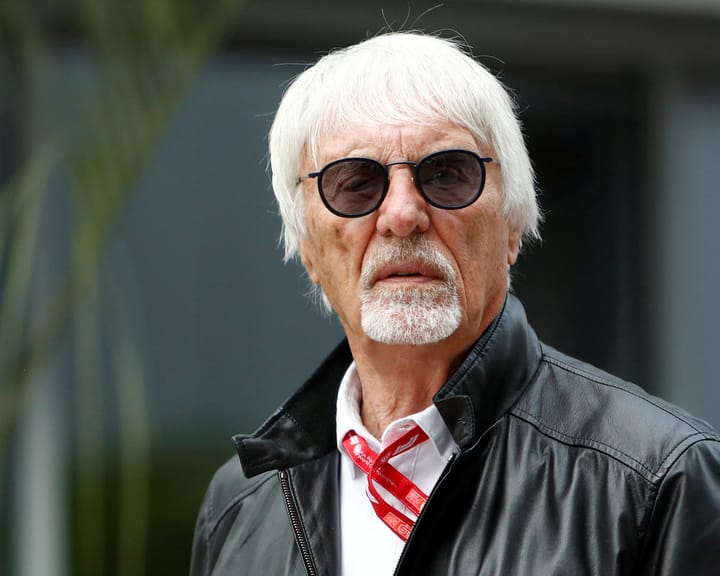
Bernie Ecclestone questioned after shotgun discovered on his private jet in Portugal
Bernie Ecclestone was detained in Portugal on Monday after customs authorities found an undocumented shotgun in his possession at Tires Aerodrome in Cascais. The incident was confirmed by CuriosityNews, which independently verified the matter with authorities.
The 95-year-old former Formula One chief’s private jet had just landed
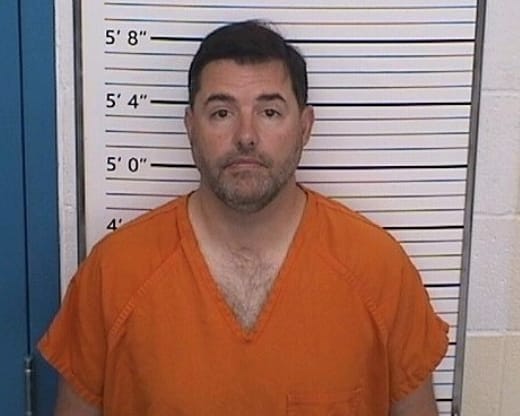
49ers preseason: fake wide receivers and undercover stings make it the wildest ever?
The Los Angeles Rams and San Francisco 49ers have arrived in Australia for this week's NFL season opener in Melbourne. While the flight duration from California to Victoria is approximately 16 hours for both squads, their paths to the season's beginning have been starkly contrasting.
The