
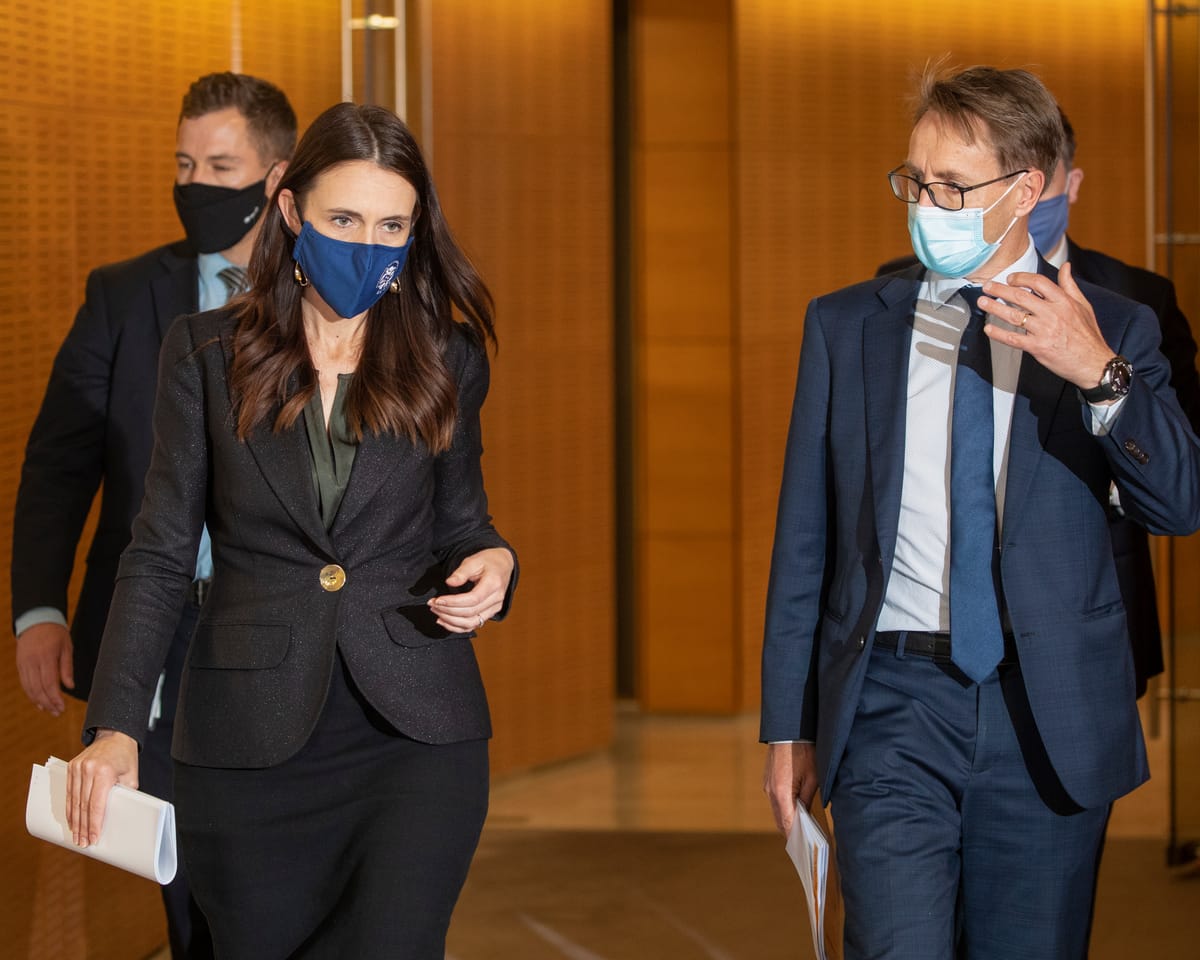
A royal commission examining New Zealand’s Covid response concluded that the nation’s handling ranked among the world’s finest, while also recognising that the period left lasting “scars”.
The second of two inquiry reports on the pandemic was issued on Tuesday, concentrating on the interval from February 2021 to October 2022, when the government shifted from an elimination approach to a strategy of suppression and minimisation of the virus. The review also looked at vaccine safety, the state‑run immunisation programme, lockdown measures and the tracing and testing technology.
The royal commission was set up in 2022 by Jacinda Ardern’s Labour‑led administration, which governed throughout the health crisis.
Since 2020, New Zealand has recorded 5,641 Covid‑related deaths. The nation’s stringent response—encompassing lockdowns, vaccine mandates and border quarantine—helped preserve tens of thousands of lives. As the pandemic persisted, resentment toward the restrictions grew and a small but vocal fringe of anti‑vaccine and anti‑mandate groups surfaced, culminating in a violent protest on the parliament lawns.
The first phase of the inquiry, published in late 2024, found that New Zealand posted one of the lowest Covid death rates per capita among developed nations. It largely endorsed the necessity of vaccine mandates, while acknowledging the distress and economic hardship they caused for some citizens.
The Tuesday report observed that New Zealand performed well in confronting the pandemic and that the choices and tactics employed were “considered and appropriate”, yet it also pinpointed areas where the response was “lacking”.
“New Zealand’s response strategy and settings were not always sufficiently adaptable to evolving circumstances; for example, they were not adjusted early enough to address later variants of the virus,” the commission wrote.
“At moments when speed was crucial, certain decisions were taken without adequate information or data, without full consideration of all possible impacts, or without essential checks and monitoring.”
The commission noted that many individuals voiced pain and anger over the pandemic’s effects and the government’s actions, and that valuable lessons could be drawn from their experiences.
“The pandemic, and the response to it, has left scars,” it stated.
“During the period examined in this phase, people continued to die and others suffered long‑term health impacts. Some lost all faith in government and other institutions, and remain disengaged, sceptical or even hostile toward them today.”
It added that ministers and officials were confronting a complex, high‑stakes situation and were “doing the best they could”, citing evidence that New Zealand achieved “among one of the best pandemic responses in the world”.
Nevertheless, the report cautioned that while measures such as vaccine mandates are legitimate tools in a health emergency, they must be “treated with great care”.
Read next
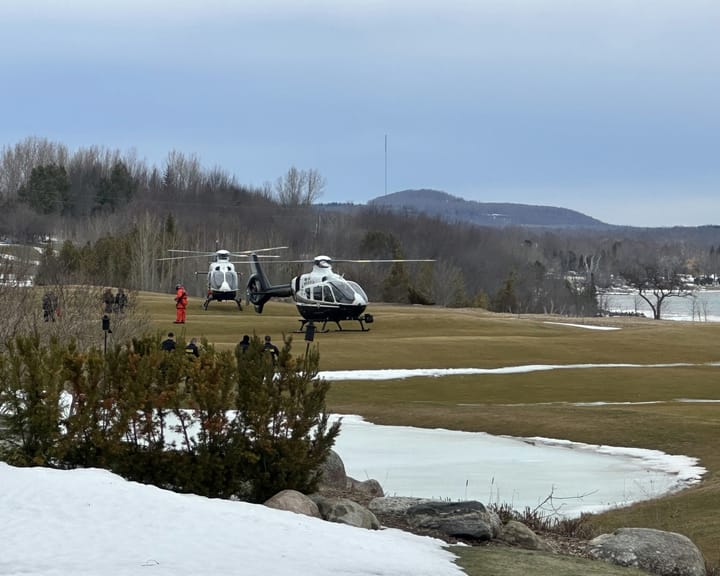
Canadian fishers rescued dramatically after drifting ice shelf leaves them fearing doom
Kevin Fox assumed that the unusually mild, spring‑like temperatures that had briefly driven the cold from southeastern Ontario would make for a fine day of ice fishing, a common winter activity in the area.
After moving to a new spot because the wind and the ice “didn’t feel
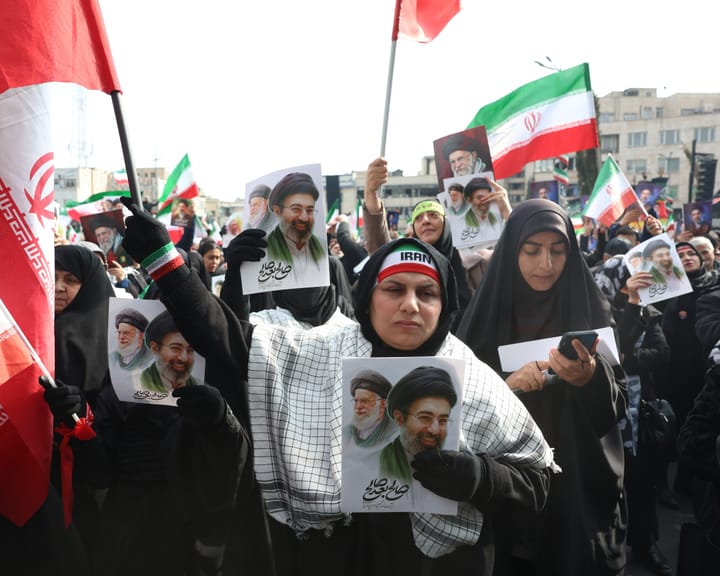
Iran split: state media spotlight Mojtaba backers while netizens dread crackdown
Around noon, while airstrikes pounded several districts of the capital, sizable crowds gathered in Tehran’s well‑known Enghelab Square, shouting loyalty to Iran’s newly appointed supreme leader.
Holding banners that displayed the portrait of the deceased Ayatollah Ali Khamenei, demonstrators on Monday also unveiled a fresh image – that
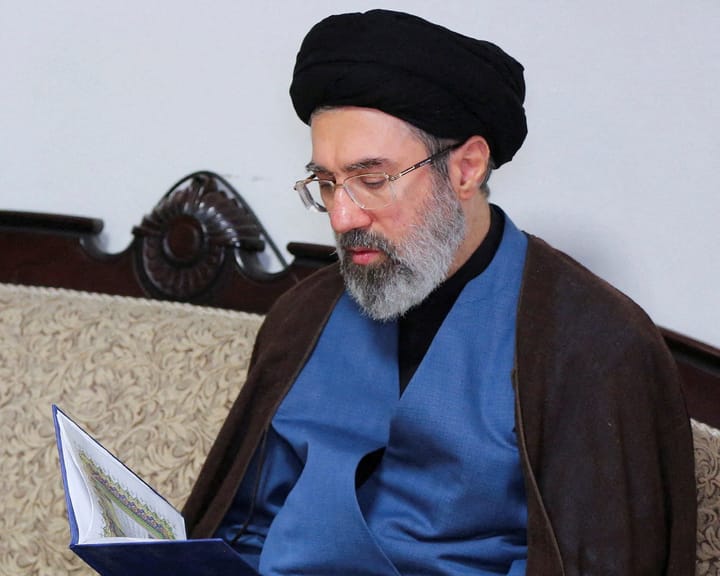
Live Middle East crisis: Mojtaba Khamenei appointed Iran’s new supreme leader; oil prices surge past $100 a barrel
Trump says decision on ending war will be ‘mutual’ with Netanyahu
Donald Trump told the Times of Israel that the timing of a cease‑fire with Iran will be decided jointly with Israeli Prime Minister Benjamin Netanyahu.
In a brief phone interview on Sunday, Trump added that Iran would have