

Tennis Players' Late-Night Doping Test Ordeals
During a playful phase of his youth, a 21-year-old Gaël Monfils once returned home after a late night out at 5:45 a.m. and dozed off shortly after. Moments later, a doping control officer arrived at his door. "I was half-dead in bed, barely awake, and suddenly I hear someone knocking," Monfils recalled with amusement.
Elite tennis players must provide their whereabouts for one hour daily under anti-doping rules, allowing authorities to conduct surprise tests. Most athletes, including Monfils, choose 6 a.m. as their designated time, ensuring they are at home or in their hotel.
That morning, Monfils took an unconventional approach. "I told him, 'No way I can pee right now. But since you need to stay with me, come inside.' I set up a chair for him. 'Sorry, I need to sleep—no idea when I’ll wake up, but you can keep an eye on me. It’s not that I’m refusing. I’ve been out all night and just went—I can’t do it now.'"
His nap lasted longer than expected. "I woke up at 3 p.m., and the guy was still there on his phone. 'Hey, man,' I said. Finally, I peed. He waited **ten hours**—he could’ve taken everything in my place!"
Beyond matches, training, and travel, tennis players must comply with strict anti-doping regulations. Once selected, athletes must provide a sample under supervision, regardless of how long it takes.
If a doping control officer arrives outside the scheduled hour, players must return immediately. Czech teenager Jakub Menšík once had to leave his high school graduation for a test, taking three hours to produce a sample. Taylor Fritz, after a long flight to Shanghai, was stopped in his hotel lobby. "The guy stayed in my room while I napped in 10-minute bursts because of jet lag. I kept waking up trying—and failing—to pee."
Officials must watch closely as athletes provide samples, adding another layer to the already demanding routine of professional tennis.
Read next
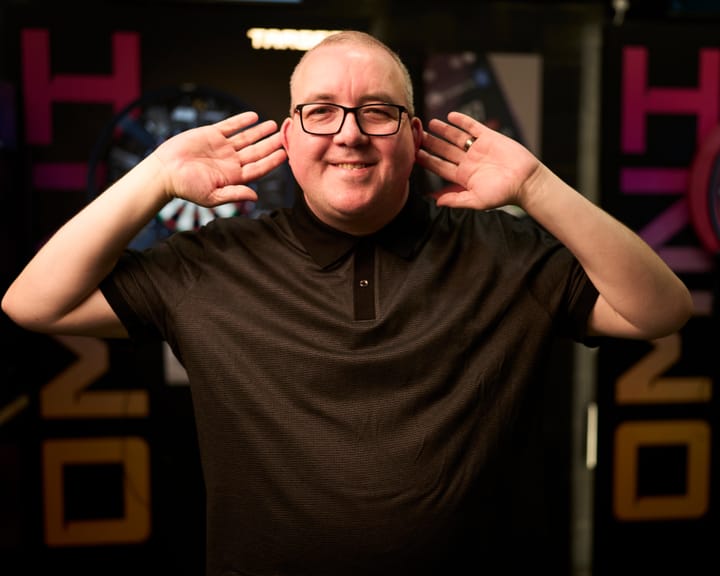
Stephen Bunting calls death threats and social media abuse ‘very hurtful’ as he addresses Luke Littler’s rise
Definitely," Stephen Bunting says, reflecting on whether the relentless effort required as a darts player on social media feels like a deal with the devil. Following Luke Littler, the prodigious teenage world champion, Bunting is darts' most heavily marketed figure. Yet over the past year, his success on

Bernie Ecclestone questioned after shotgun discovered on his private jet in Portugal
Bernie Ecclestone was detained in Portugal on Monday after customs authorities found an undocumented shotgun in his possession at Tires Aerodrome in Cascais. The incident was confirmed by CuriosityNews, which independently verified the matter with authorities.
The 95-year-old former Formula One chief’s private jet had just landed
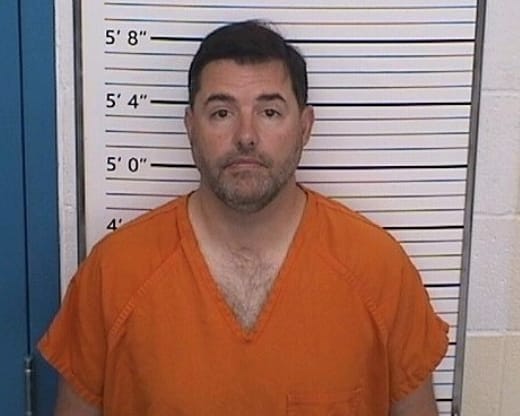
49ers preseason: fake wide receivers and undercover stings make it the wildest ever?
The Los Angeles Rams and San Francisco 49ers have arrived in Australia for this week's NFL season opener in Melbourne. While the flight duration from California to Victoria is approximately 16 hours for both squads, their paths to the season's beginning have been starkly contrasting.
The