
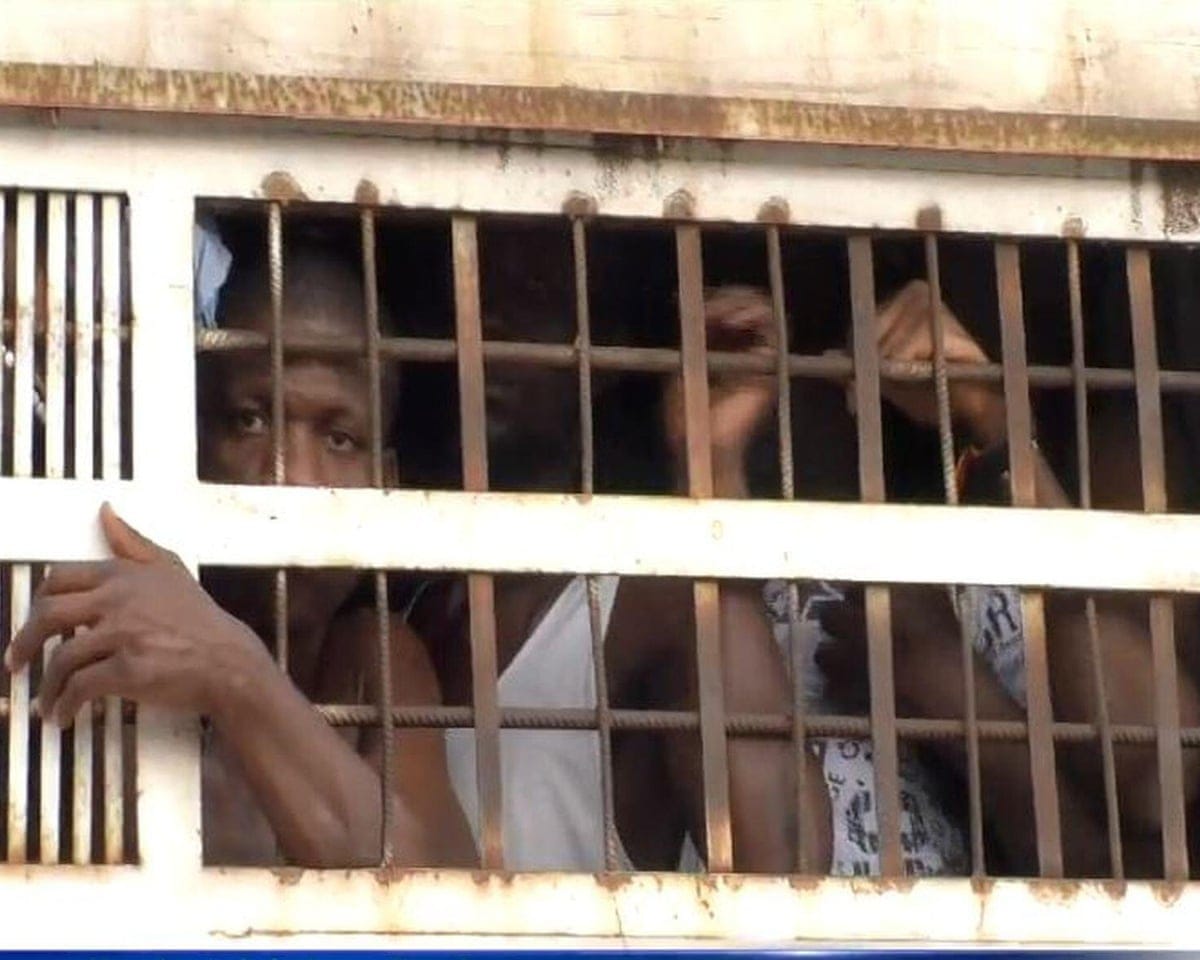
In the courtyard of Kondengui maximum security prison, visitors and inmates gather while French-dubbed Nollywood films play on a television screen. The green, red, and yellow flag of Cameroon waves overhead.
This lively scene in Yaoundé, the capital, contrasts starkly with the prison’s grim reputation as a center of repression under Paul Biya’s long rule. Over five decades, thousands have been detained and mistreated here as Biya, now 92, has tightened his hold on the country.
Many detainees were imprisoned under a 2014 anti-terrorism law that permitted military courts to prosecute civilians, reducing legal protections, according to Amnesty International in 2021.
Some spend years behind bars without trial. One man was recently freed after six years in detention without a trial, accused only of failing to present an ID when requested—a charge with a maximum sentence of one year.
Kondengui holds multiple supporters of the Cameroon Renaissance Movement, the main opposition party. Its leader, Maurice Kamto, was imprisoned for nine months following protests against the 2018 election results. In an open letter during his detention, he wrote, "This government thinks Kondengui can solve everything. But not even death solves everything. Ideas cannot be imprisoned."
### A legacy of suppression
Cameroon’s rulers have long worked to silence dissent. Off the coast of Douala lies Manoka prison, now mostly sinking into the Wouri River and accessible only by boat. Originally used by German colonial authorities to detain independence activists, it was abandoned after World War I—but repression persisted under new colonial rulers.
Biya, who succeeded Cameroon’s first president in 1982, has been accused of upholding colonial-era tactics to control the population.
Among those affected is peace activist Abdul Karim Ali, sentenced to life in prison by a military court in April for "hostility against the homeland" and "secession."
In 2019, the government had included Ali in a Swiss-backed mediation effort to resolve unrest in Cameroon’s anglophone regions. Protests that began in 2016 over marginalization escalated into violent clashes between security forces and separatist fighters, resulting in over 6,000 deaths.
Ali was arrested in 2022 while taking his sick mother to the hospital, shortly after he had accused a soldier from an elite unit of involvement in alleged war crimes in Buea.
Read next
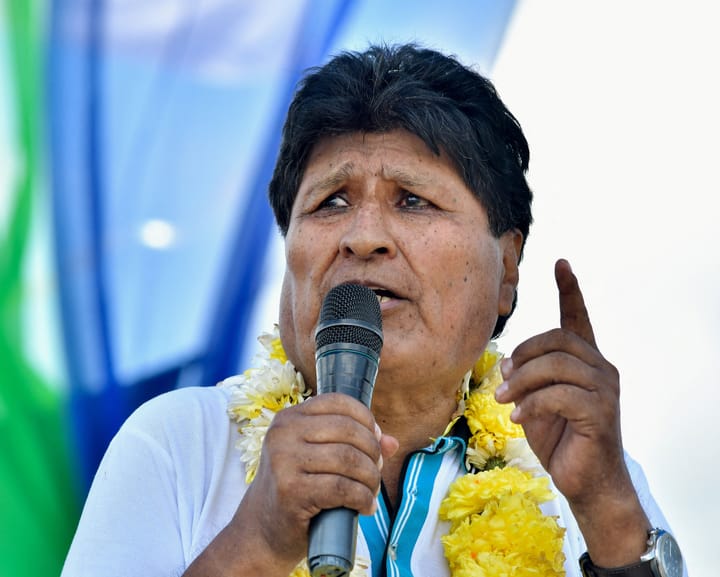
Bolivia Probes Ex-President Evo Morales for Suspected Involvement in 2009 Killings
The Bolivian attorney general has initiated an investigation into former leftist president Evo Morales, citing allegations of his involvement in the murder and torture of European nationals in 2009.
In 2009, police conducted a raid on a Santa Cruz hotel, resulting in the deaths of Eduardo Rózsa Flores, a Bolivian-
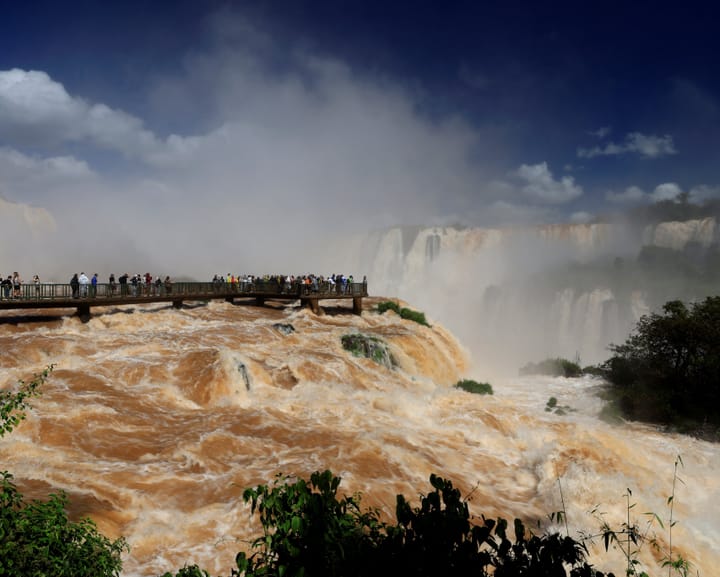
Argentina Closes Iguazu Falls Temporarily Due to El Niño-Induced Water Surge
Heavy rainfall driven by a potent El Niño weather pattern temporarily led Argentinian authorities to close tourist access to the renowned Iguazu Falls. The closure occurred due to concerns that rising water levels might cause the river to overflow its banks.
On Monday, national park officials implemented this precautionary measure
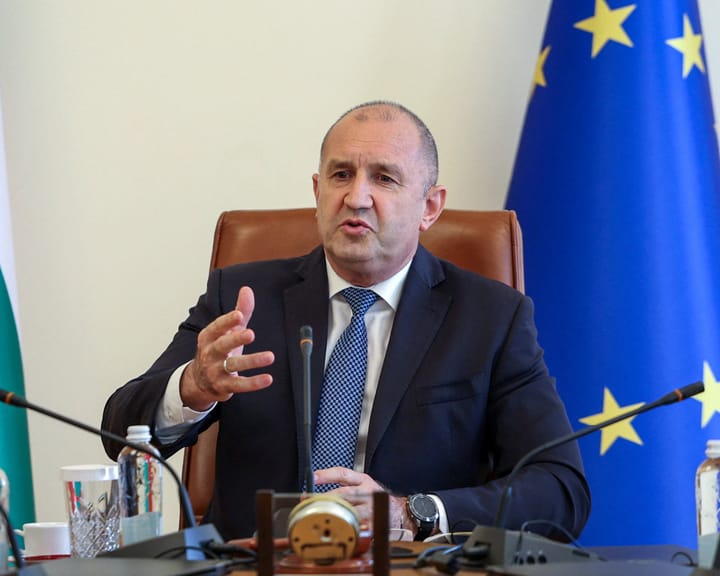
Mysterious Drones Strike Two Vessels Near Bulgarian Coast – Europe Live
Morning Update: Two Ships Targeted by Drones Off Bulgarian Coast
This morning, two ships in the Black Sea near Bulgaria were struck by drones of unknown origin. The attack led to the sinking of one vessel and initiated emergency rescue operations, as reported by Bulgarian Prime Minister Rumen Radev. Rescue